
The Maasai Mara, where the landscape still writes the day
Come for the wildlife. Remember the feeling of being inside a living African landscape.
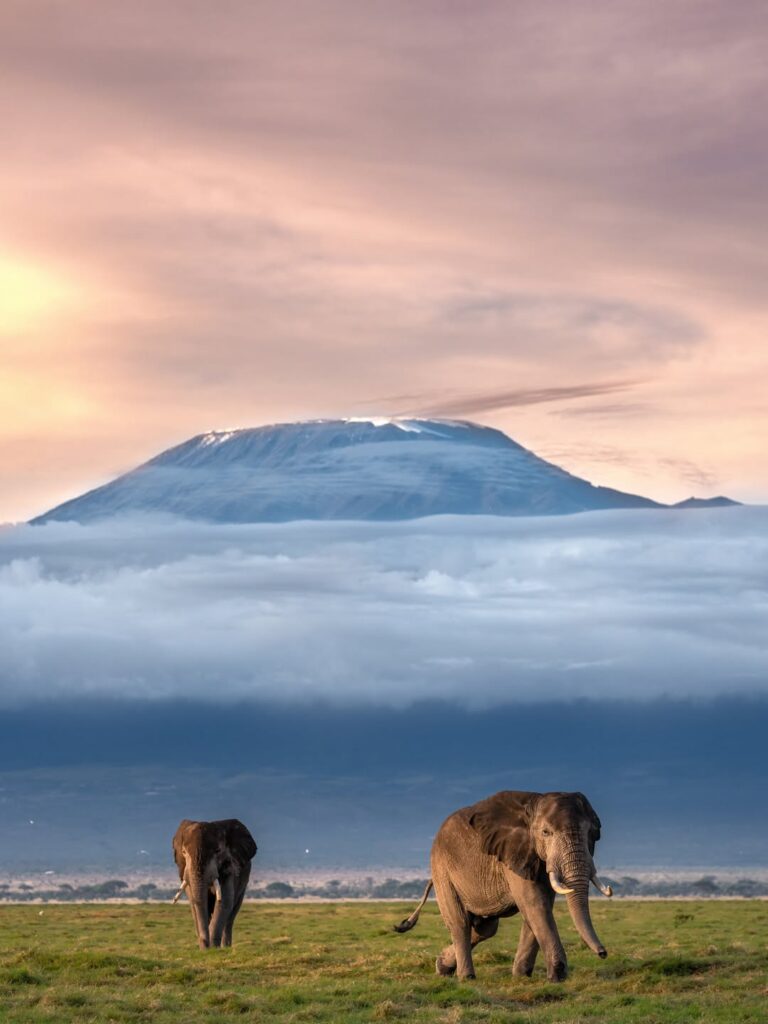
At first light, the grasslands hold their breath. A lion’s mane catches the low sun, elephants move quietly through the mist and a line of giraffes crosses the horizon with the unhurried grace of creatures that belong completely to this place. By evening, thunderheads build above the escarpment and the plains turn copper beneath the last light. This is the Maasai Mara: not simply a destination to see, but a landscape that changes the way you watch, listen and understand the wild.
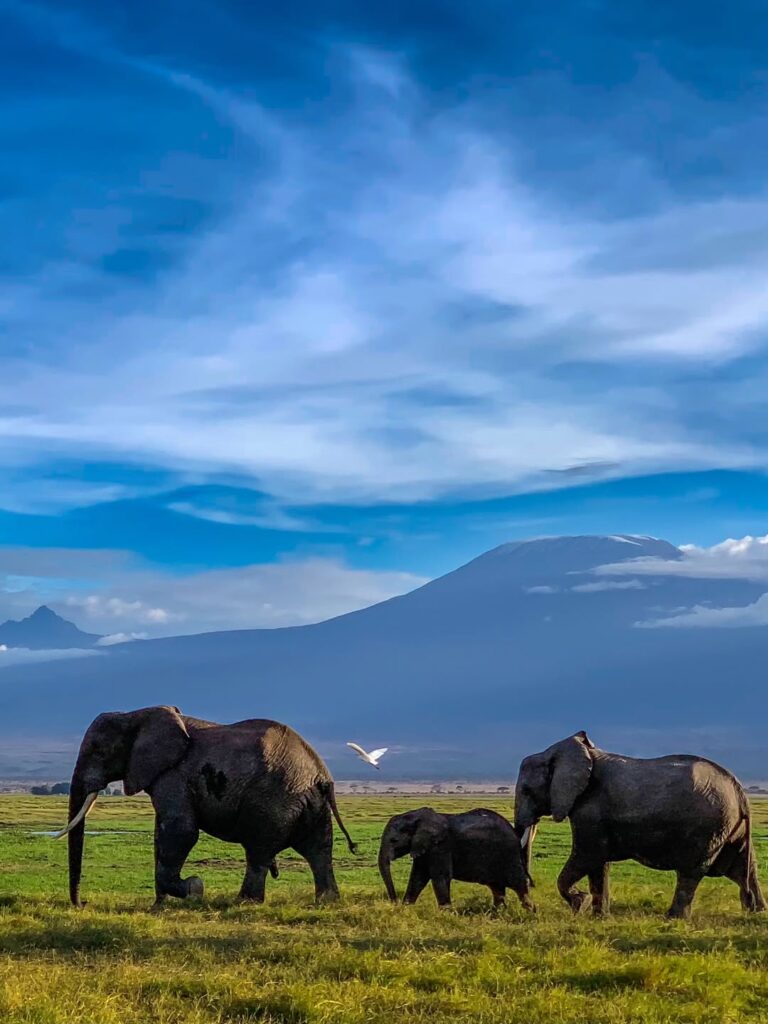
The Mara rewards time. Its most memorable moments are rarely scheduled: a cheetah scanning from a termite mound, hyenas greeting at a den, a leopard slipping from riverine cover, or a herd of elephants rearranging itself around a newborn calf. During the Great Migration, the plains may fill with wildebeest and zebra; outside the migration months, resident predators, plains game, elephants and extraordinary birdlife continue the story. There is no empty season here—only a different rhythm.
The name “Maasai Mara” describes a connected ecosystem rather than one uniform park. The Maasai Mara National Reserve protects roughly 1,510 square kilometres of grassland, rivers and wooded drainage lines. West of the Mara River, the Mara Triangle forms part of that reserve and is managed separately by the Mara Conservancy. Around the reserve, community conservancies protect essential grazing, breeding and dispersal areas through agreements with Maasai landowners.
These distinctions shape the safari you experience. They influence vehicle density, access, the possibility of walks or night drives, camp style, transfer time and how tourism revenue reaches local families. A beautifully designed journey may stay in the reserve, choose a conservancy, or combine the two. We plan around the season, current wildlife movement and your own pace—not around a generic checklist.
- What makes it exceptional
- Big-cat country, open horizons and intimate wildlife behaviour
- Core landscape
- National Reserve, Mara Triangle and community conservancies
- Migration
- One chapter in a year-round Serengeti–Mara cycle
- Our planning principle
- Right area, right camp, enough time

National Reserve
The broad, classic Mara: extensive plains, the Mara and Talek river systems, and strong access to many well-known wildlife areas. It can be superb, particularly with a guide who understands timing and vehicle pressure.
Understand the reserve →Mara Triangle
The western part of the reserve, separated from the eastern side by the Mara River. It suits travellers drawn to open landscapes, escarpment views and the possibility of reaching major river areas without beginning every day from the east.
Compare the Triangle →Conservancies
Community land managed for wildlife, livestock and tourism under local agreements. Many offer lower vehicle density and activities not generally available inside the reserve, subject to each conservancy’s rules.
Choose a conservancy →Wildlife beyond the checklist
Big cats are central to the Mara—but the story is larger.
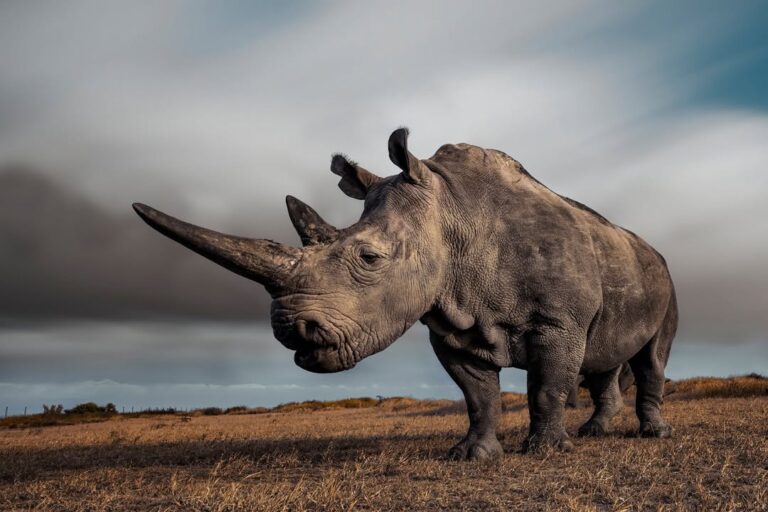
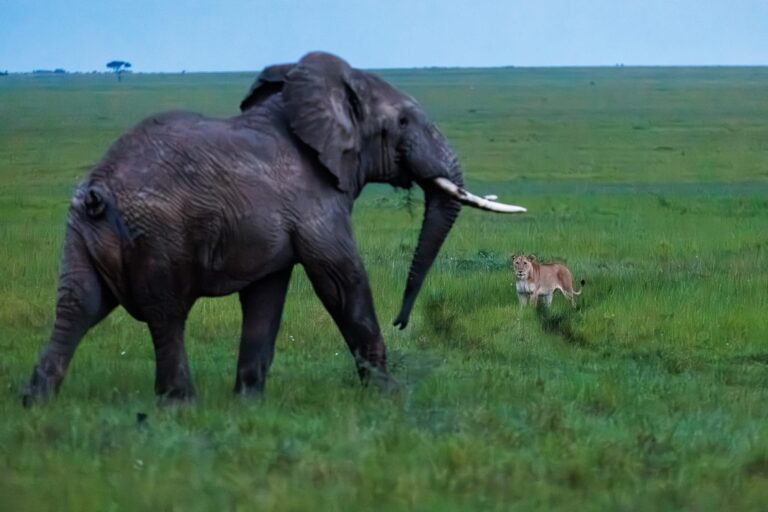
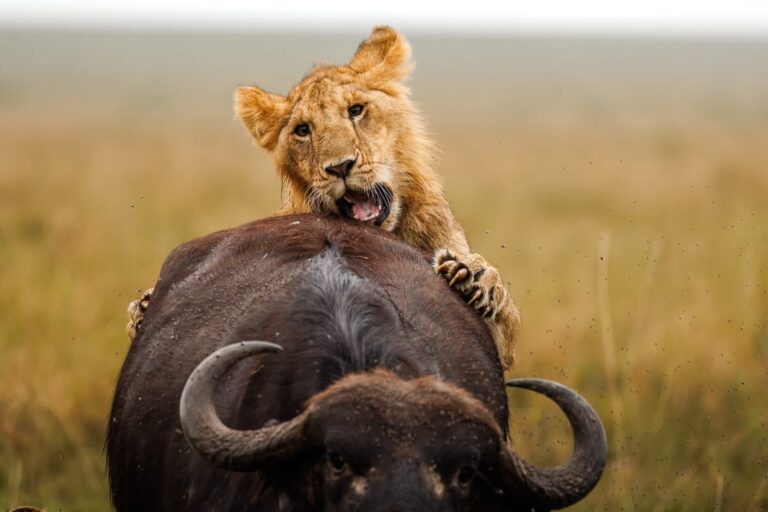
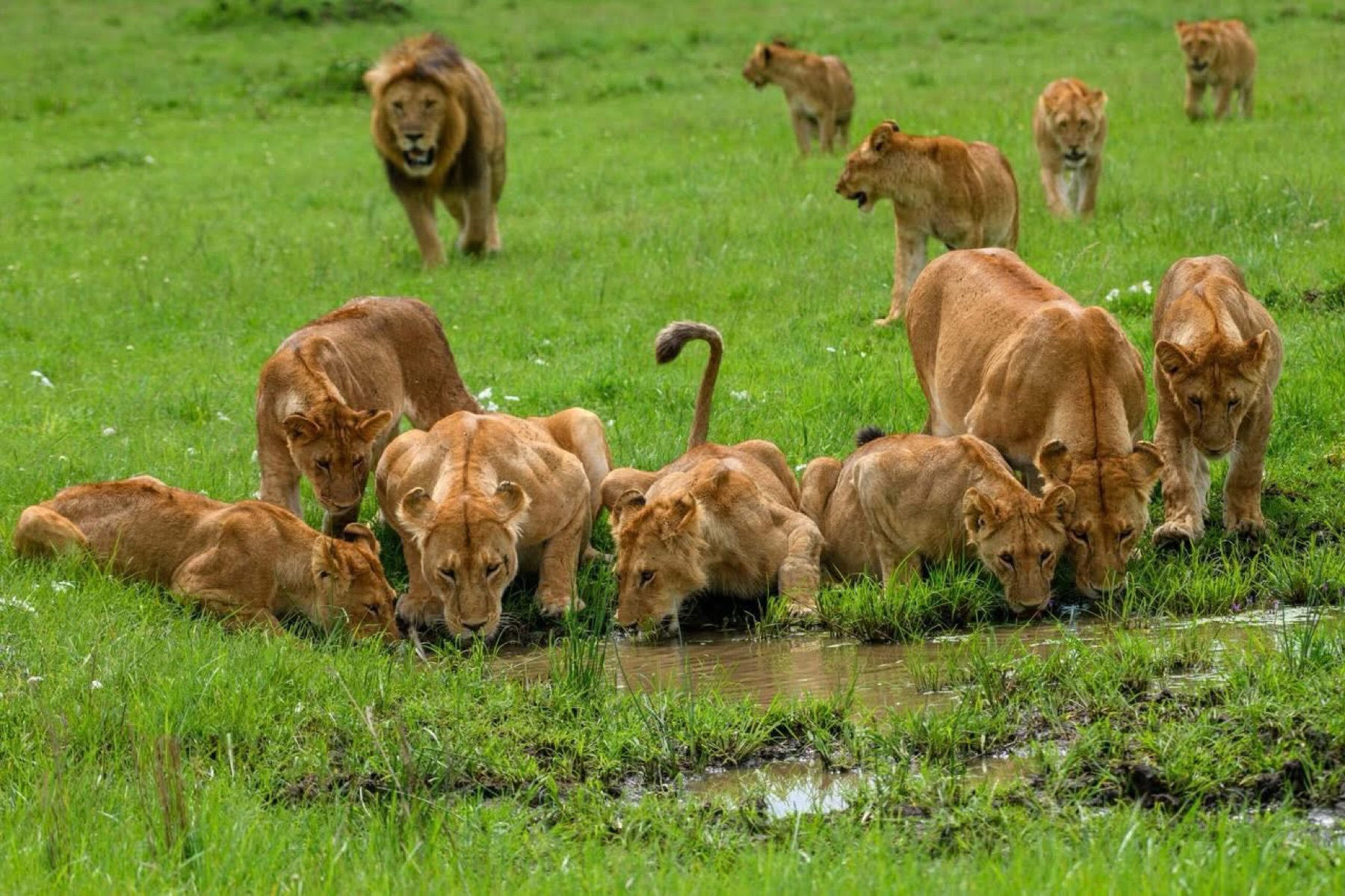
Lion, leopard and cheetah can all be encountered in the Greater Mara, alongside spotted hyena, elephant, buffalo, giraffe, hippo, crocodile and a great variety of grazers, browsers and birds. Sightings are never guaranteed. What can be planned is the quality of the search: an experienced guide, unhurried time, intelligent positioning and respect for the animal.
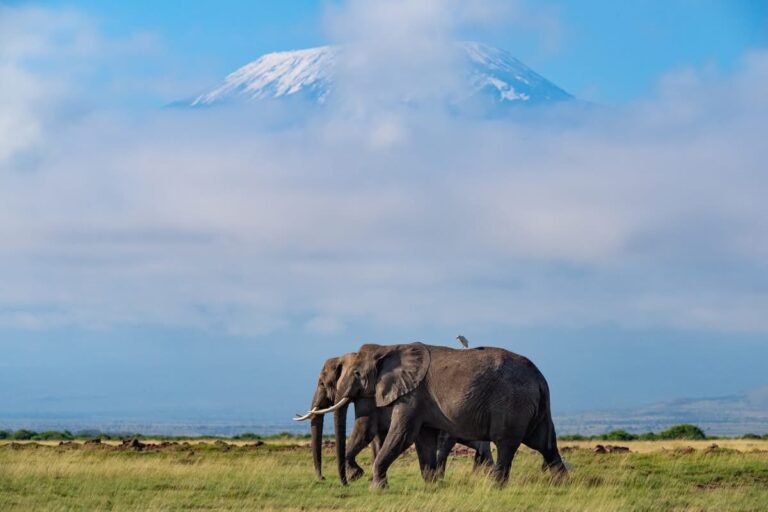
Some of the most memorable hours are not dramatic hunts. They are a cheetah using a mound to read the grass, elephants communicating quietly, hyenas working a wetland edge, or a leopard appearing where the riverine cover meets the plain.
Explore the wildlife and big-cat guide →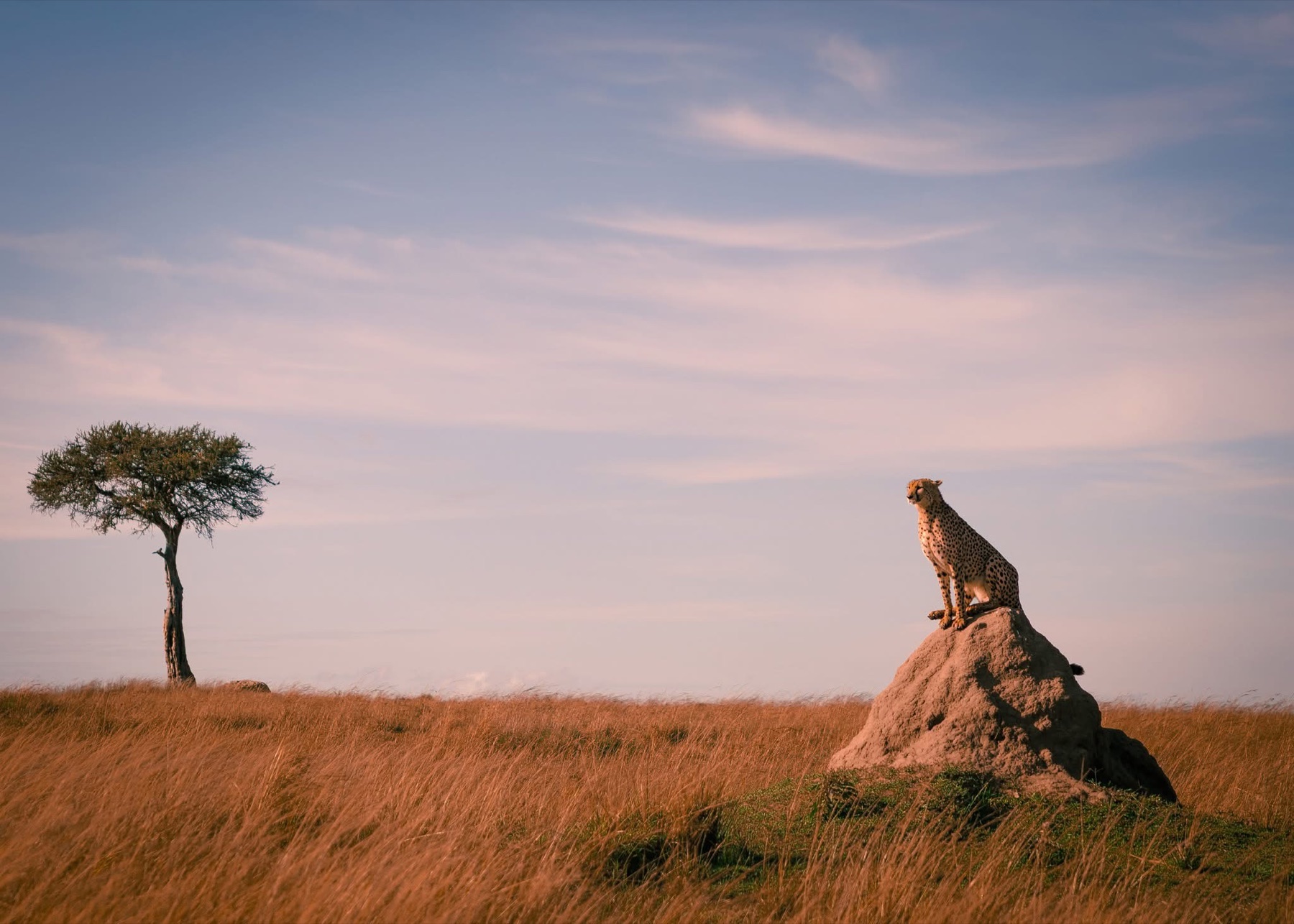

The Great Migration
A moving ecological system, not a date in a brochure.
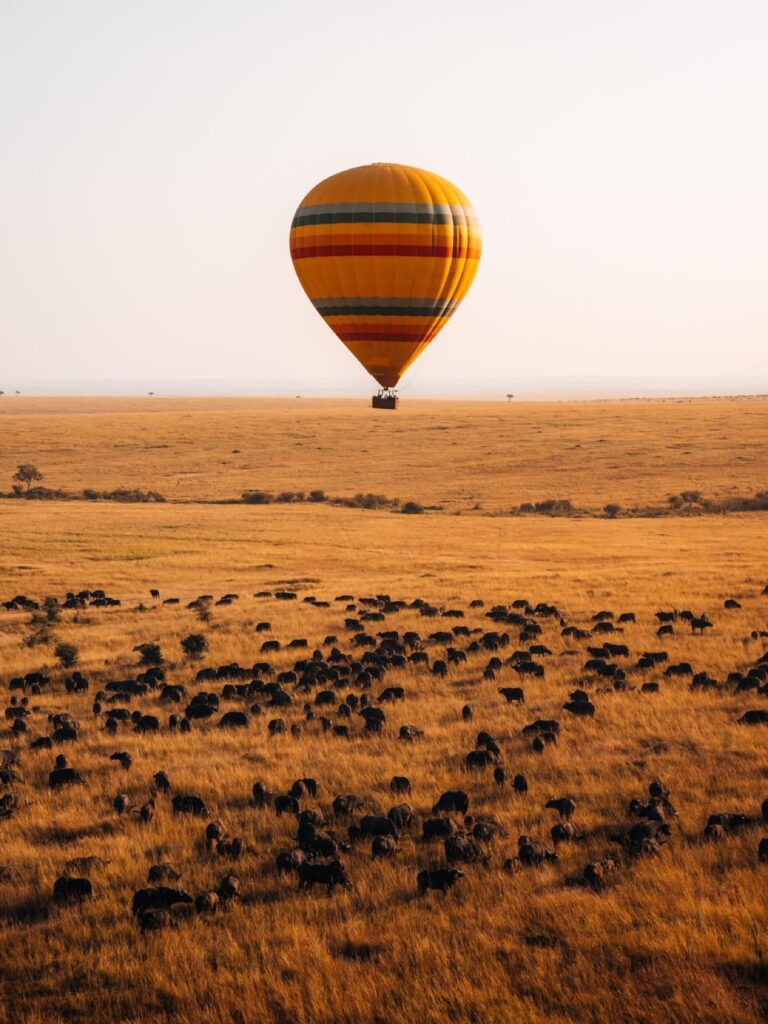
Wildebeest and zebra move through the Serengeti–Mara ecosystem in response to rain, grass and water. Herds often reach the Greater Mara during the drier middle months of the year, but arrival, concentration and river-crossing activity vary. A crossing cannot be scheduled or promised.
The best migration safaris leave enough time, use guides who follow current movement, and remain interested in the whole ecosystem. Resident cats, elephants and plains game remain part of the experience whether or not a river crossing happens.
Read the complete migration guide →When to visit
The Mara is year-round. The atmosphere changes.
January to March
Often warmer and drier, with shorter grass in many areas and rewarding predator observation. Exact conditions depend on the rains.
April to June
Greener country, dramatic skies, flowers and fewer vehicles. Some roads can become difficult after heavy rain, making location and vehicle choice important.
July to October
The best-known migration period and usually the busiest. Herd movements and crossings vary, so flexibility and careful area selection matter.
November to December
Short rains can refresh the plains, with changing light, new grass and resident wildlife. Storms may be local and brief or more sustained.
No single month is universally best. Photographers may prefer green-season colour; families may prioritise school dates and camp design; migration-focused travellers may accept greater vehicle pressure. Compare the seasons in depth →

Where to stay
Location first, camp second.
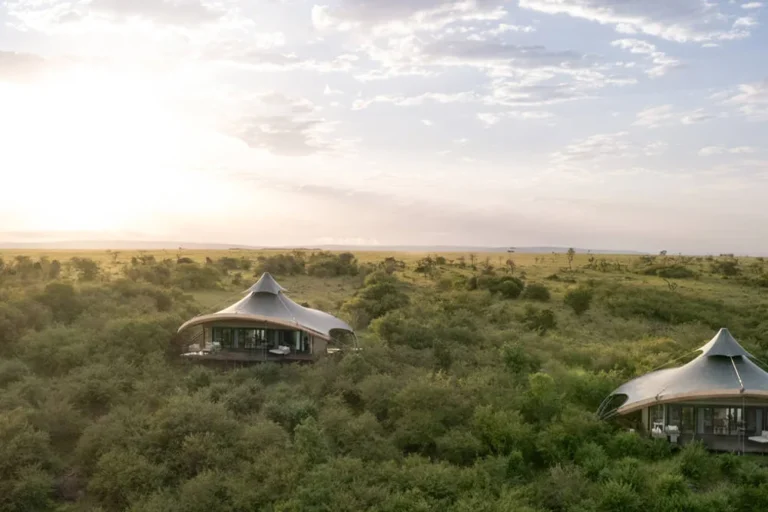
A beautiful room cannot compensate for being in the wrong sector for the experience you want. The eastern reserve and Talek side can offer practical access and a wide range of camps. Sekenani is useful for road arrivals. The Mara Triangle and Oloololo Escarpment suit travellers drawn to western landscapes. Conservancies such as Mara North, Naboisho and Olare Motorogi offer a different rhythm, often with fewer vehicles and a stronger emphasis on guiding.
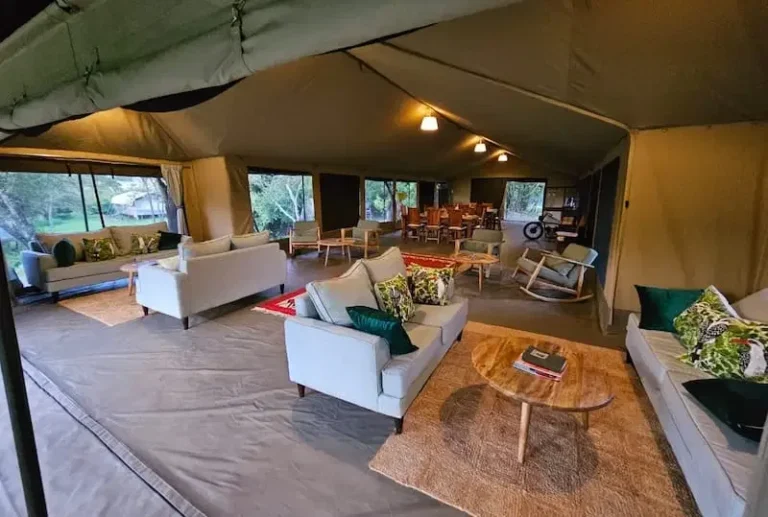
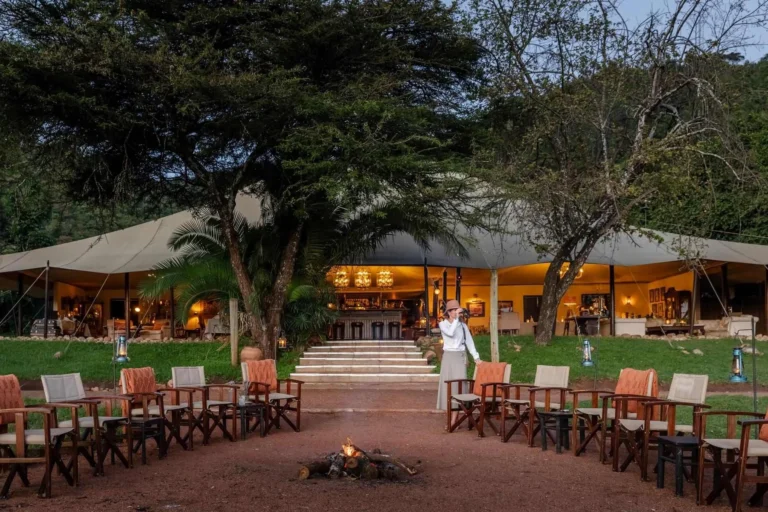
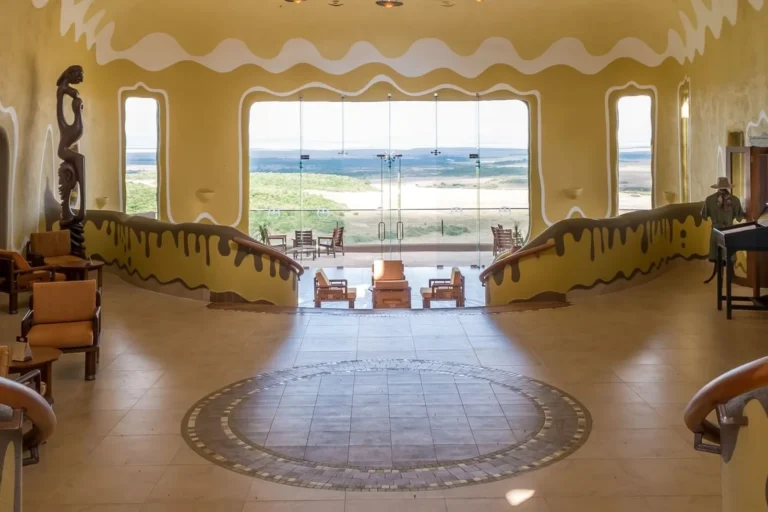
Our guide explains the trade-offs and uses PrideInn Mara, Sarova Mara, the three Kicheche Mara camps, Angama Mara, Cottar’s 1920s Camp and Leopard Hill as selective examples—not as a directory or ranking.
Read the complete accommodation guide →- First decision
- Reserve, Triangle, escarpment or conservancy
- Second decision
- Intimate camp, larger lodge or private-use experience
- Always confirm
- Access, activities, child policy and vehicle arrangement
Design the safari around how you travel
The vehicle, guide and pace change everything.
Private vehicle
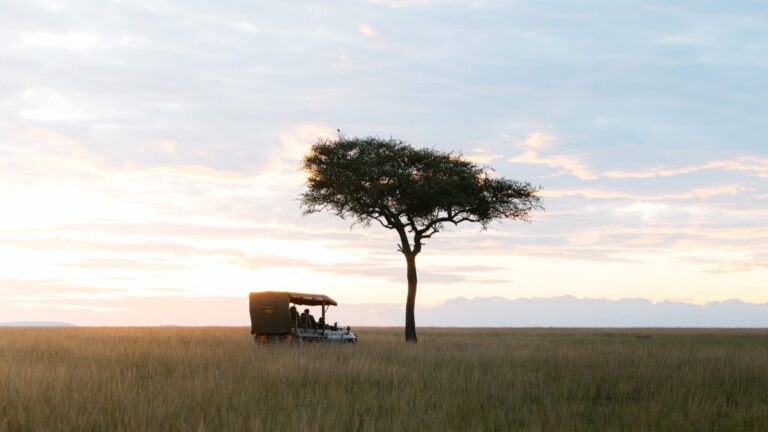
Best for photographers, families and anyone who wants to wait at a sighting, leave at a chosen time or follow a specific interest.
Photography
Good positioning, ethical fieldcraft, low angles where permitted and time with behaviour matter more than racing between sightings.
Photography guide →Balloon flight
A dawn perspective over the plains. Routing is governed by wind and operations; it is an optional addition, not a substitute for ground guiding.
Family safari
Choose sensible driving blocks, flexible meals, appropriate room layout and guides who can read both children and wildlife.
First safari
A clear introduction to fieldcraft, animal behaviour and the landscape creates a richer experience than chasing a list.
Mount Kenya or the coast
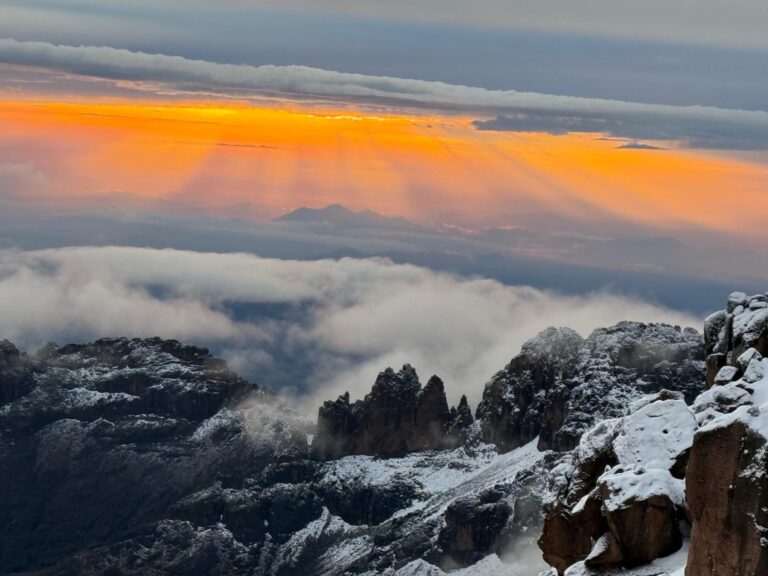
Come to the Mara after our 10-day Mount Kenya and Maasai Mara private adventure, or slow the pace with a quieter finish on the Kenyan coast.
Plan road versus flying, ballooning, vehicles and safari pace →

People, land and conservation
The Mara is also home.
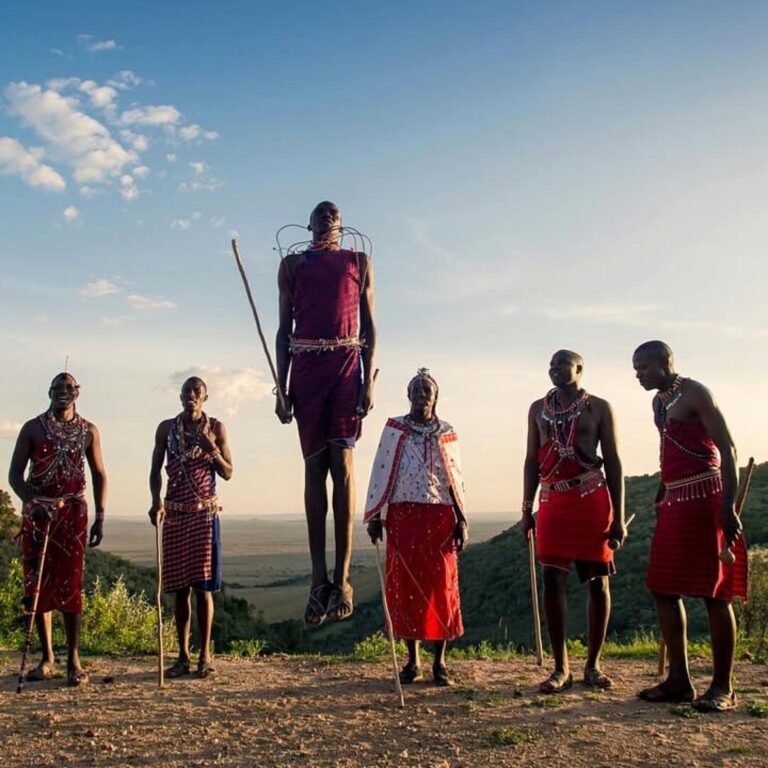
Maasai communities live around and within the wider ecosystem. Conservancy agreements can create lease income, employment and a reason to keep land open for wildlife, while pastoralism, schools, household needs and tourism all place real demands on the same landscape.
A worthwhile community visit should be hosted, fairly paid and based on genuine exchange. It should never reduce people to a performance for photographs. We work to explain where tourism money goes, ask permission before photography and choose experiences with dignity at their centre.
Read about culture and conservation →Explore the Mara guides
Frequently asked questions
Before you choose dates or a camp
Is the Maasai Mara the same as the Mara Triangle?
No. The Triangle is the western section of the Maasai Mara National Reserve, separated from the eastern side by the Mara River and managed by the Mara Conservancy.
Should I stay in the reserve or a conservancy?
The reserve gives broad access to classic Mara areas. Conservancies can offer lower vehicle density and, depending on local rules, walks or night drives. Many strong safaris combine both.
Can you guarantee a migration river crossing?
No responsible operator can. Herd movement depends on rain, grazing and river conditions. We plan for time and good positioning, never a staged promise.
How many nights should I allow?
Three nights is a useful starting point; four or more gives more time for patient wildlife observation, weather changes and a two-area combination.
Are park and conservancy fees fixed?
Fees and terms change. We confirm the current structure for your dates and show it clearly in a proposal.
Plan with a Kenyan safari team
Let the landscape decide the safari.
Tell us when you hope to travel, who is travelling and what matters most. We will recommend the right Mara area, camp style and pace—without forcing a standard package.