
School trips in Kenya
School trips where students have a real part to play.
A school trip works best when students are doing more than following adults from place to place. On our programmes they help organise camp, take turns leading, keep field notes and learn when to ask for help.
We run school trips in Kenya on Mount Kenya, along cycling routes, in wildlife areas and by the Indian Ocean. A school can come to us with a clear learning goal or only a rough idea; we build the route around the students, their experience and the time available.
We would rather run a few activities properly than fill every hour. Walking days, rides, observation sessions and camp tasks are included because they have a purpose for that particular group.
What students, teachers and parents need to know
Everyone needs a clear answer before the trip.
Students, teachers and parents look at a trip differently. We explain the challenge to students, the operating plan to teachers and the lines of responsibility to parents.
For the student
“What will I actually do?”
Students take age-appropriate roles in navigation, camp routines, observation and communication. Guides teach the task, watch how it is done and step in when needed.
For the teacher
“What is the school responsible for?”
Before departure we agree the route, staffing, equipment, communication plan and learning aims. Teachers remain responsible for their pupils; our guides are responsible for the outdoor operation.
For the parent
“Who makes decisions in the field?”
Our field leader decides the route, pace and whether an objective is safe to continue. The school’s accompanying adults remain responsible for student welfare and behaviour.
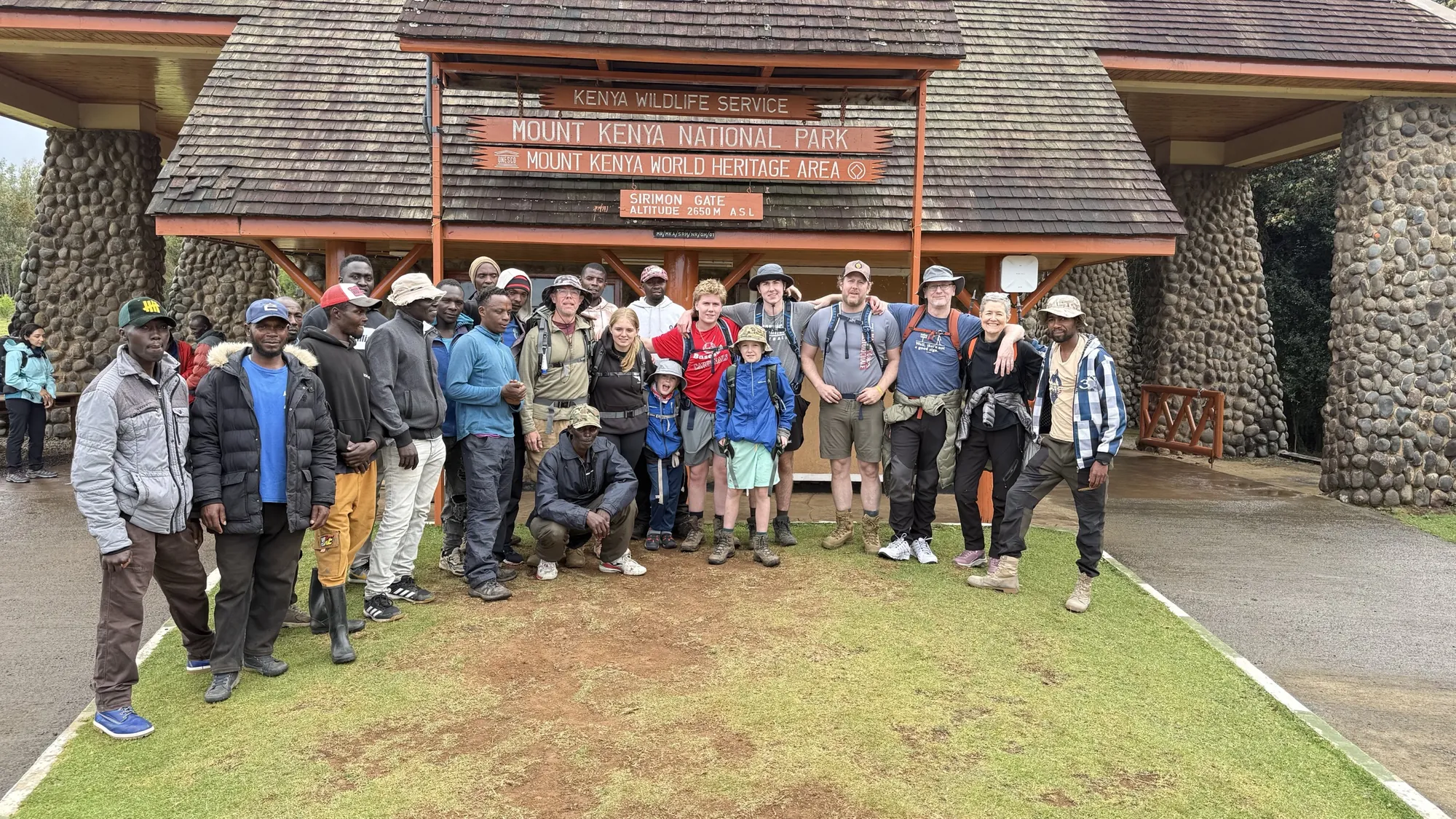
Start at the right level
A first camp can lead to a bigger expedition later.
Some students begin with one night in camp. Others are ready for several days on the mountain. We can start at either point and help a school build towards longer journeys over time.
-
01
Introduction
First nights out
1–2 nights
Students learn how to organise their kit, help run camp and follow a simple route.
-
02
Development
Cycling and field days
Day or multi-day
Cycling, wildlife observation or coastal fieldwork, with students taking more responsibility as the day progresses.
-
03
Expedition
Longer group expeditions
2–4 nights
Two to four nights with longer days, rotating leaders and an honest review of what worked.
-
04
High altitude
Point Lenana
Staged acclimatisation
A high-altitude objective that requires good acclimatisation and a willingness to turn around when conditions or the group require it.
-
05
Award & partnership
Award journeys and school pathways
Multi-year
Route and field support for Award journeys, or a progression that a school can repeat and develop with each year group.
The right starting point depends on age, previous experience and what the school wants students to learn.
Programmes we can build
We choose the activity after we understand the group.
These are examples, not fixed packages. We adjust the programme for the students, season, group size, travel time and the school’s aims.
Mountain & leadership
Mount Kenya trips at the right level.
1–2 nights
First Nights Out
One or two nights to learn campcraft, kit care, simple navigation and how to contribute to a group outdoors.
- Personal organisation
- Team contribution
- Comfort outdoors
2–4 nights
Mount Kenya Leadership Expedition
A two- to four-night mountain journey with daily roles, achievable objectives and time to review decisions. The programme does not need a summit to be worthwhile.
- Leadership in turns
- Pacing and communication
- Reflection under pressure
High-altitude objective
Point Lenana School Expedition
A carefully staged attempt on Point Lenana at roughly 4,985 metres. Acclimatisation, weather and the group’s condition determine the plan.
- Preparation and resilience
- High-altitude judgement
- Responsible turnaround decisions
School-led Award pathway
President’s Award Journey Support
Routes, logistics, local guides and field safety support for Adventurous Journeys. The school and its Award coordinator retain the official planning, supervision and assessment roles.
- Purposeful journeying
- Self-reliance
- Clear role boundaries
Movement & fieldwork
Cycling, wildlife and geography in the field.
Day, 2-day or multi-day
School Cycling
We choose the route for the group’s ability, check every bike and teach spacing, braking, road or trail awareness and communication.
- Confidence on the bike
- Risk awareness
- Group movement
Safari as field study
Wildlife & Conservation
Students practise patient wildlife observation, record what they see and discuss habitat, conservation and relationships between people and wildlife.
- Patient observation
- Evidence and questions
- Conservation context
Curriculum brought outside
Geography in the Field
Students record landscape, water, altitude, weather, land use and settlement in the field, then use those observations in discussion.
- Field notes
- Place-based enquiry
- Connecting systems
Coast & marine learning
Indian Ocean Field Expedition
Coastal activities are chosen for the group’s age and water confidence. Topics can include tides, marine habitats, local livelihoods and responsible use of the ocean.
- Coastal ecology
- Community and livelihood
- Responsible marine travel
Combined expeditions
We combine places only when the connection makes sense.
A mountain section can be followed by wildlife fieldwork when both parts support the same learning aim.
Cycling, walking and coastal fieldwork can be combined when the change of setting adds something useful.
We can build the programme around a curriculum topic, a year-group milestone, a leadership goal or a longer outdoor education plan.
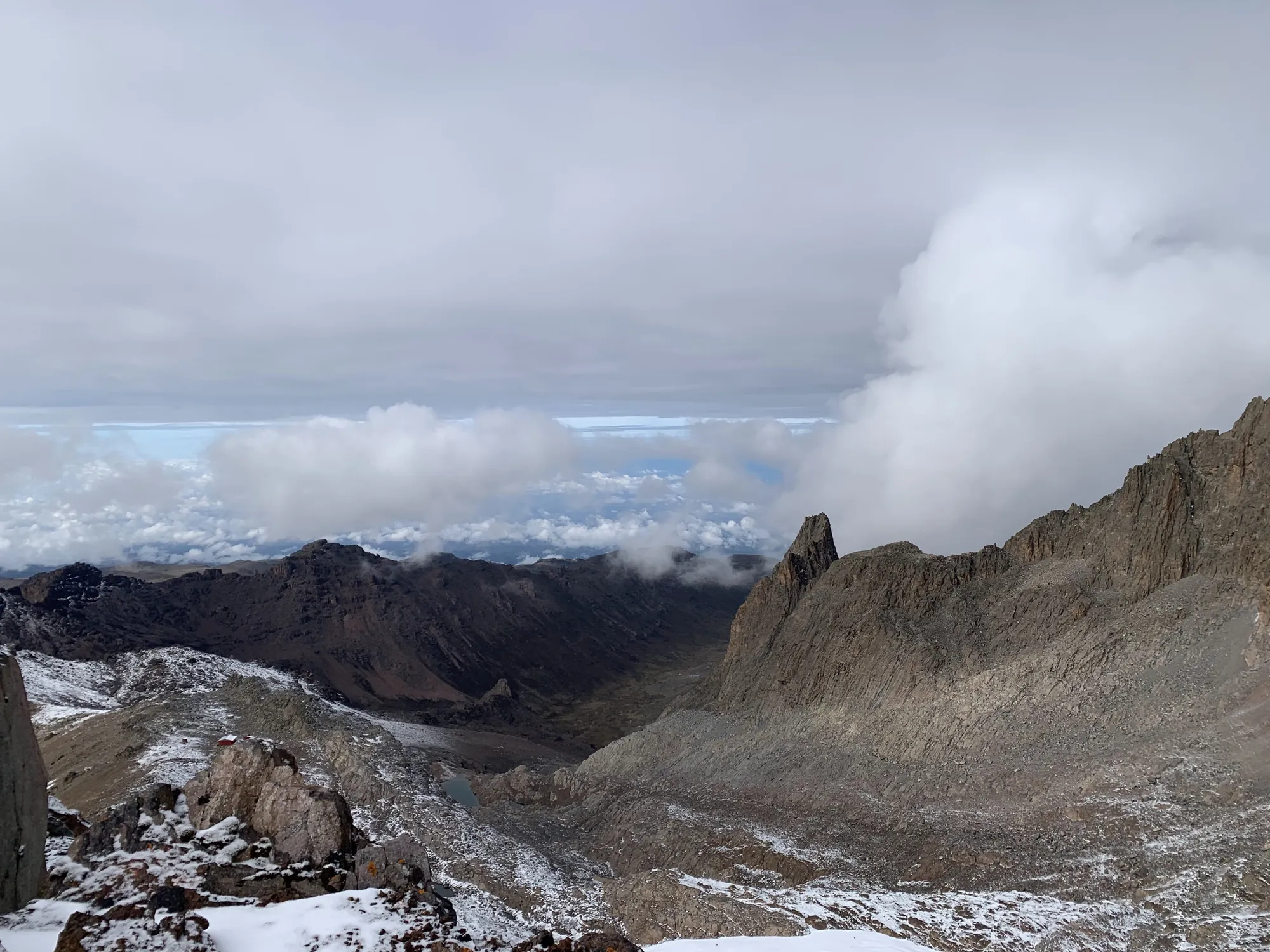
Point Lenana · approximately 4,985 metres
Point Lenana is a serious high-altitude objective.
Reaching the top is never guaranteed. Weather, altitude and the condition of the group determine whether we continue.
The route includes time to acclimatise. Guides monitor pace, appetite, energy, sleep, weather and how students are coping. They can shorten the day, slow the group or turn around.
- Students carry
- A sensible personal daypack and the items agreed in the kit plan.
- Expedition loads
- Professional mountain crew carry the group’s expedition loads.
- Success can mean
- Good preparation, honest communication, care for the team and safe decisions—whether or not everyone reaches the high point.
Planning, roles and safety
What we agree with the school before departure.
A useful safety plan is specific. The school should know who is leading each part of the trip, how information is shared and who has authority to change the route.
Roles are written down.
Before travel we agree learning aims, route, staffing, student information, communications, equipment, photography permissions and the responsibilities of the school and Wilderness Alternative.
Students prepare before travel.
Preparation can include a teacher familiarisation day, planning visit, parent information evening and a practice hike or ride. We explain the expected fitness, kit and behaviour in advance.
The field leader can change the plan.
The field leader watches weather, terrain, pace and the condition of the group. Students have age-appropriate roles. Teachers remain the school’s responsible adults while our guides direct the outdoor operation.
We report concerns early.
Routes, objectives and timings can change. If a student is struggling or conditions are deteriorating, we tell the school team early and use the agreed escalation plan.
Before a programme is confirmed, we agree:
- the learning purpose
- adult and guide roles
- route and decision points
- communication and emergency contacts
- kit and equipment access
- dietary and medical information process
The people running the trip
Our permanent guide team stays small.
Our three permanent guides plan and lead the core of our work.
When a programme needs a mountain specialist, safari guide, cycling lead, driver, cook or coastal professional, we bring in people we have worked with before and trust in the field.
We take on work we can prepare and operate properly, with a named person responsible for every part of the trip.
Example programmes
Two examples of how a programme could run.
The final route will depend on the students, season, group size, travel time and the learning aims agreed with the school.
Outdoor foundations
Three-day outdoor introduction
- Day 1Arrival, group agreement, kit systems, camp roles and a short navigation exercise.
- Day 2A short route with rotating student leaders, a field observation task and time to review the day.
- Day 3Students help run the morning camp routine, complete a final challenge, pack down and review what they will take back to school.
Learning outcomes
- Organise personal kit
- Contribute to a camp team
- Communicate when unsure
- Reflect on a decision
Mountain + wildlife
Seven-day Mount Kenya and wildlife programme
- Day 1Arrival near Mount Kenya, equipment check, roles and expedition briefing.
- Days 2–3Lower mountain journey: pacing, campcraft, field notes and rotating student responsibility.
- Day 4A higher objective chosen according to the group and the conditions.
- Day 5Descent, recovery and structured reflection on leadership and judgement.
- Day 6Ol Pejeta field expedition: habitat, conservation questions and patient wildlife observation.
- Day 7Student presentations, a final review and return to school.
Learning outcomes
- Lead and support in turns
- Read changing conditions
- Collect useful field observations
- Connect personal choices to conservation
President’s Award
How we support a President’s Award journey.
We can provide route knowledge, logistics, local guides and field support for Adventurous Journeys. The school’s Award coordinator remains responsible for the official programme.
The school confirms the current Award requirements and retains the planning, supervision and assessment roles. Our proposal states exactly what we will provide in the field.
A programme that can develop over time
Schools can build from one year to the next.
A younger year group might begin with camping or cycling while older students prepare for a longer mountain or Award journey.
We can help a school set out that progression, including the skills and preparation expected at each stage.
A repeatable plan also makes it easier for teachers to brief families and prepare each new group.
Common questions
Questions to settle before booking.
Does a Mount Kenya programme have to include a summit?
No. Many Mount Kenya programmes stay below the summit. For a Point Lenana attempt, the route and objective are chosen for the students and may change with the conditions.
What if students have different levels of experience?
That is normal. We ask about previous experience, agree suitable preparation and give students different age-appropriate roles. No one needs to arrive as an experienced camper.
Who supervises the students?
Accompanying teachers remain the school’s responsible adults. Wilderness Alternative guides lead the field operation and its outdoor decisions. Staffing, communication and escalation are agreed before the programme.
What happens if the weather or group condition changes?
The field leader can change the pace, route, timing or objective. We explain those decision points before departure so teachers and students know what may change and why.
What is included in “teachers travel free”?
The proposal states how many accompanying teachers are included, what their places cover and any costs that sit outside the programme price.
Can you support a President’s Award journey?
Yes. We can provide route knowledge, logistics, local guides and field support. The school and its Award coordinator retain the official planning, supervision and assessment responsibilities.
How are safeguarding, sleeping arrangements and photography handled?
Before travel, the school and Wilderness Alternative agree adult roles, student information flow, communication boundaries, sleeping arrangements and photography consent. The school’s safeguarding procedures remain in force; our field role and boundaries are made explicit for the programme.
How are medical, dietary and access needs handled?
We agree a private information process during planning and use it to shape food, pace, staffing and access decisions. Individual student details should not be sent through the public enquiry form.
Can the expedition connect to curriculum work?
Yes. We can build geography, conservation, leadership, field observation or reflective work into the trip. Tell us the relevant curriculum topic or learning aim during planning.
Other regions
Mount Kenya is only one option.
Plan with us
Tell us about the students and the time you have.
Tell us the age group, approximate dates, group size and what the school wants students to learn. We will suggest a realistic starting point.
The proposal will state how many accompanying teachers are included.