

KENYA’S INDIAN OCEAN
The Kenyan Coast is not the point where the safari ends. It is where another geography begins: a humid, salt-bright Kenya shaped by monsoon winds, coral reefs, Swahili towns and centuries of movement around the Indian Ocean.
Choose your coast
Kenya’s coast is too varied to answer with a single hotel recommendation. The useful first question is not “Which beach is best?” but “What kind of coast do you want to inhabit?” The five principal bases have distinct rhythms, landscapes and practical advantages.
Diani & the South Coast
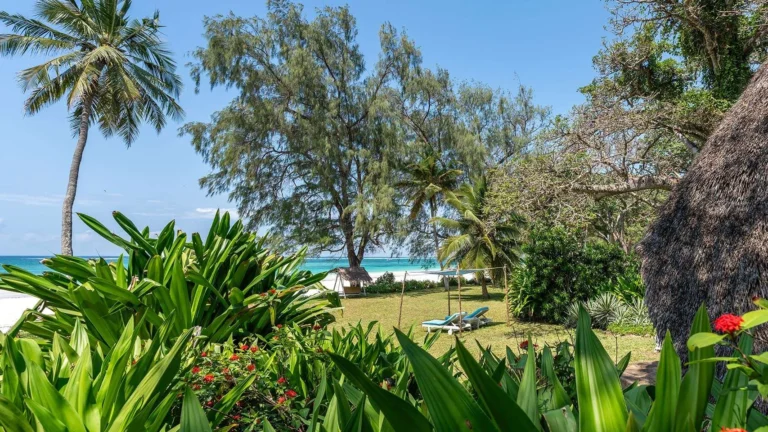
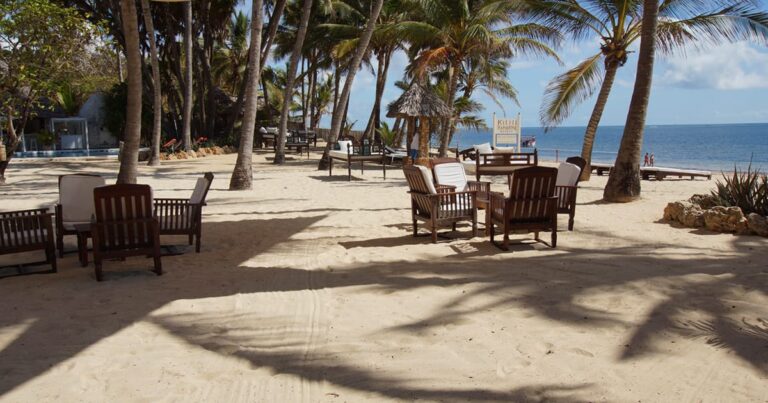
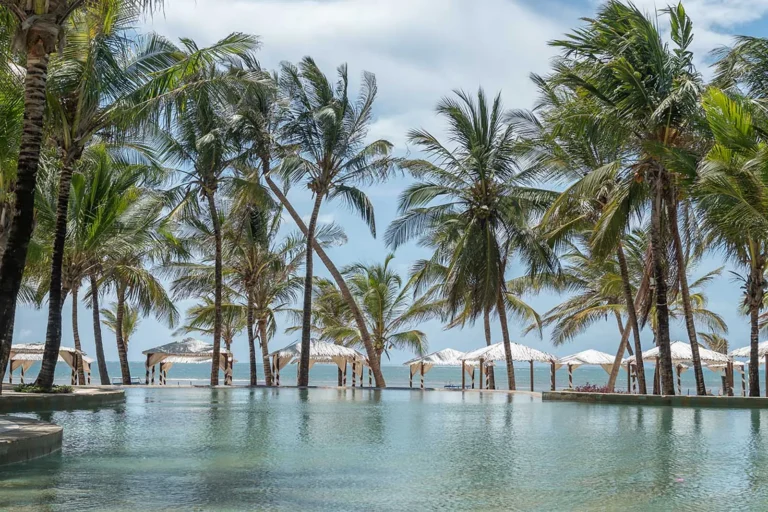
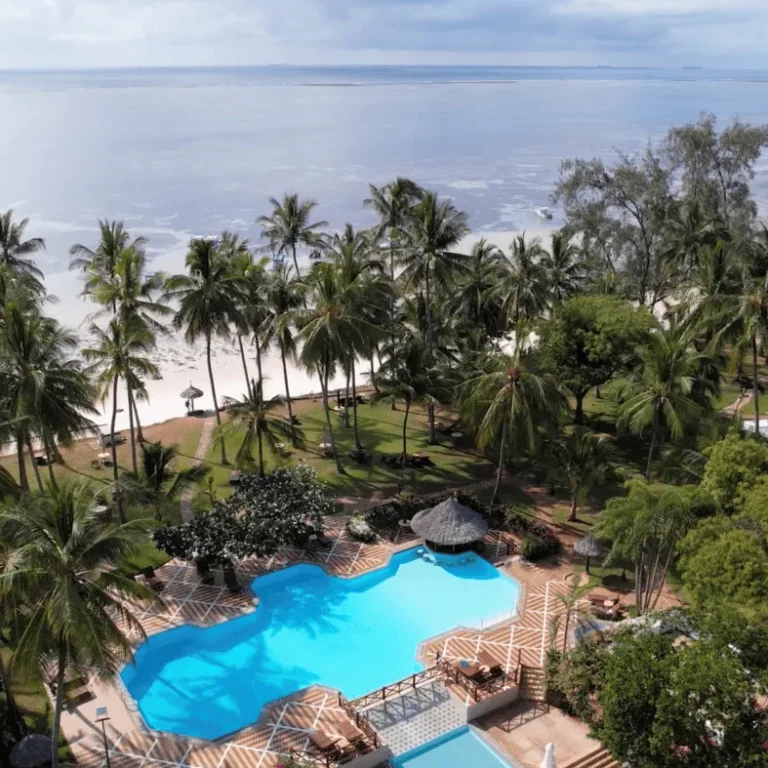
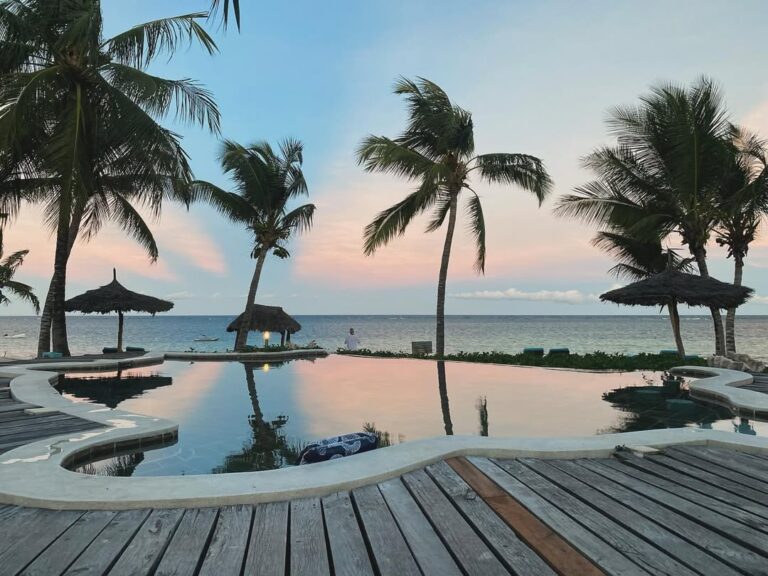
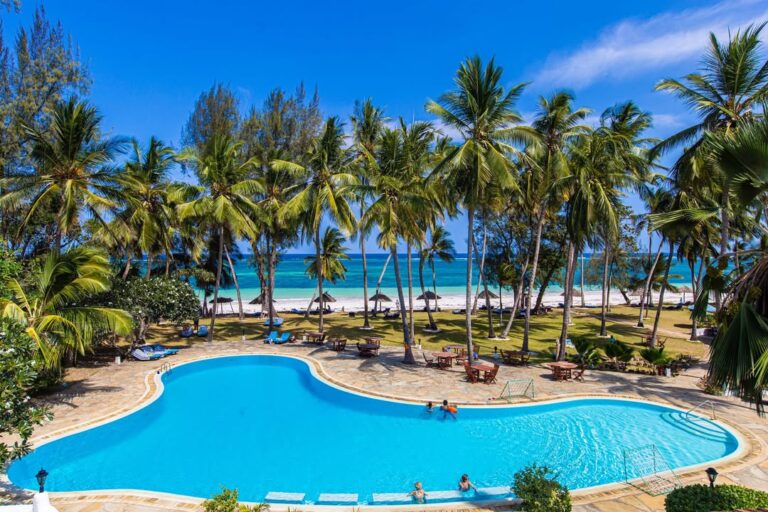
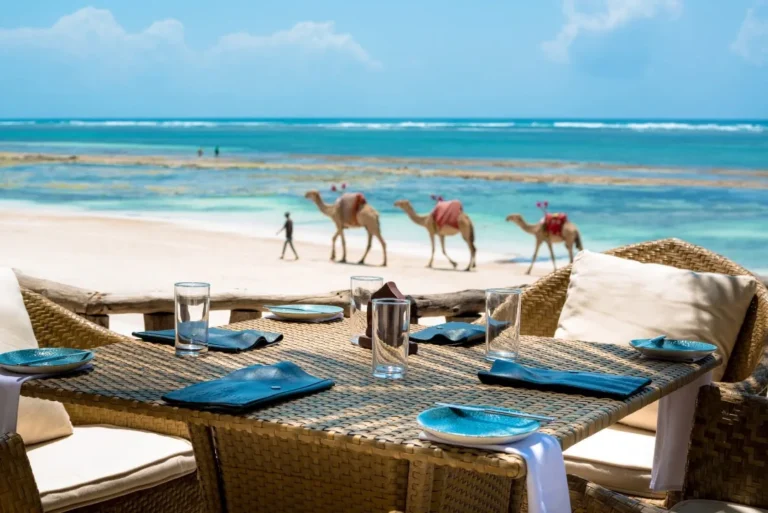
Choose Diani for a generous reef-protected beach, a broad range of places to stay and easy access to diving, kitesurfing, boat days, Kisite-Mpunguti and Shimba Hills. It works particularly well after safari because Ukunda’s airstrip removes the need to make every journey through Mombasa. Diani can be social or secluded, economical or deeply luxurious; the difference often depends on where along the shore you stay.
Mombasa
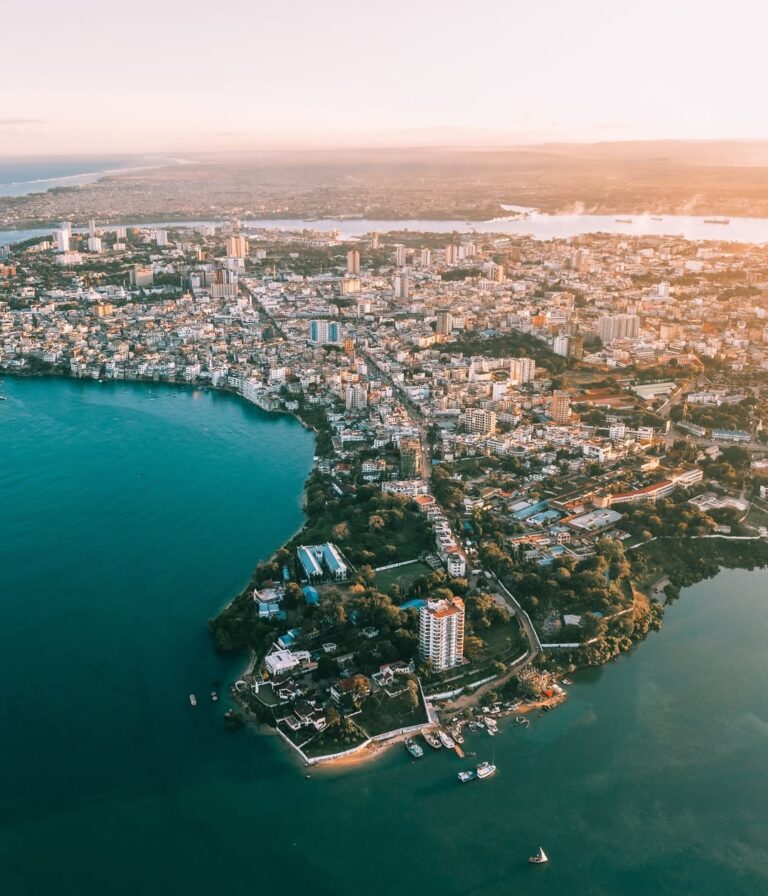
Choose Mombasa when the city matters as much as the sea. Fort Jesus, Old Town, the working harbour, mosques, markets and a layered food culture make it the coast’s most compelling urban stop. North of the island, Nyali, Bamburi and Shanzu add resort beaches and access to Mombasa Marine National Park. Mombasa is also the coast’s main transport hinge, but it deserves more than a transfer window.
Watamu
Choose Watamu for reef lagoons, marine conservation, Mida Creek, turtle work and a compact coastal atmosphere with exceptional natural variety close by. The forest and Swahili archaeology at Arabuko-Sokoke and Gedi give days ashore real depth. Watamu suits families, divers, naturalists and travellers who want the beach woven into a wider ecological story.
Malindi
Choose Malindi for a living coastal town with its own historic port identity, an established Italian influence, a protected marine landscape and practical air access. It is busier and more urban than Watamu, with a different restaurant and town culture. The two can be combined, but neither is a substitute for the other.
Lamu & the archipelago
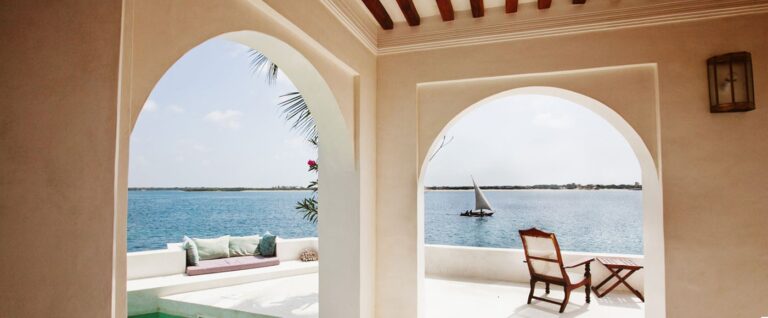
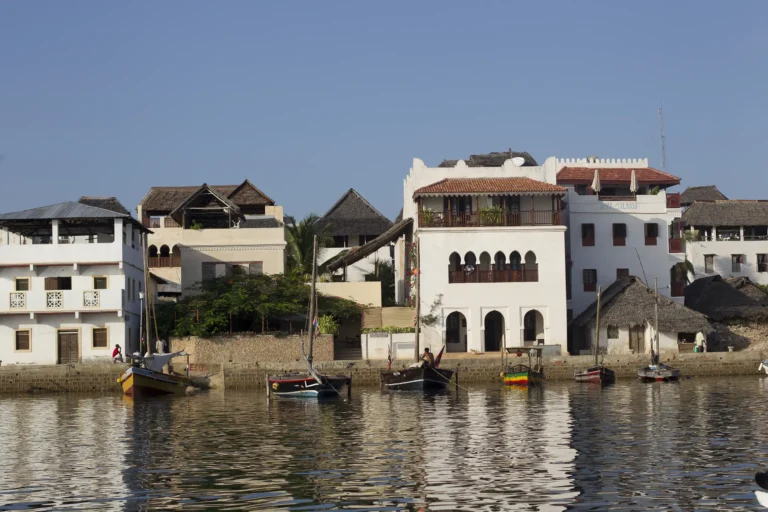
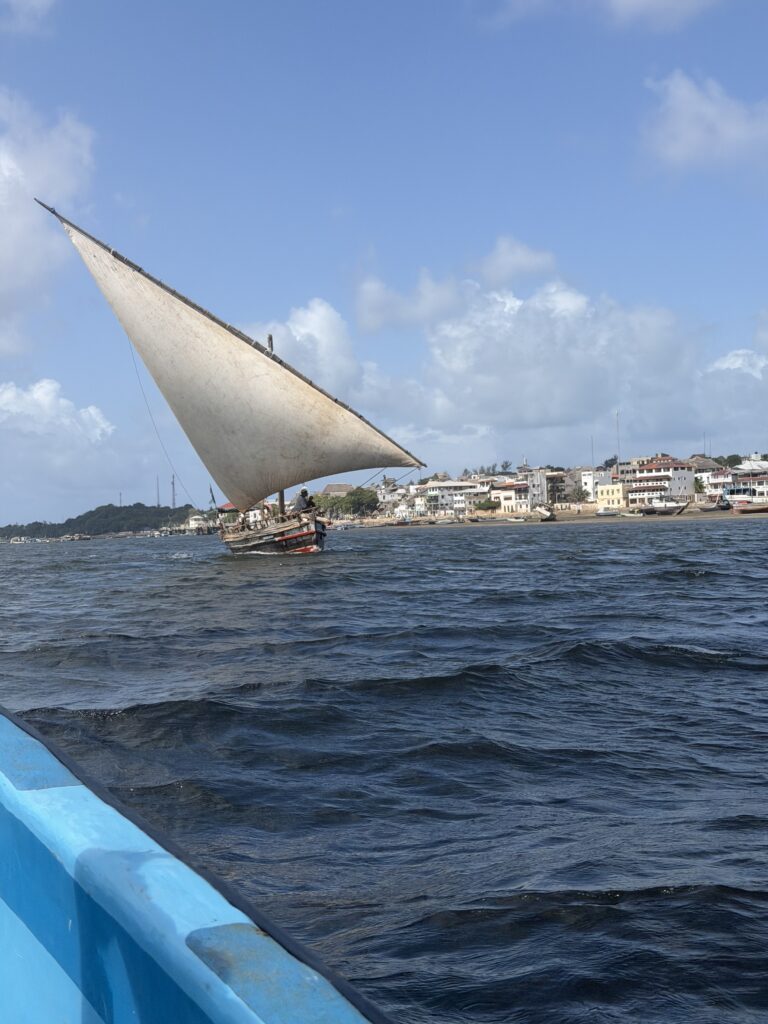
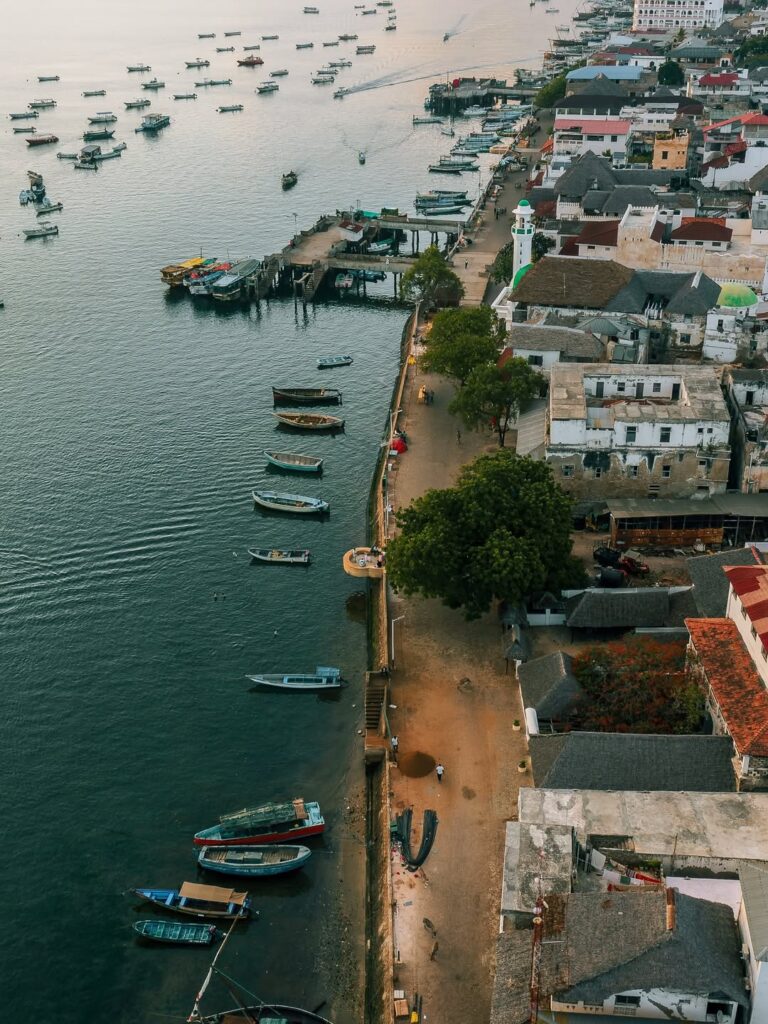
Choose Lamu for Swahili urban culture, coral-stone architecture, dhow sailing and an island journey in which arrival by air and boat is part of the experience. Lamu Town is dense, historic and lived-in; Shela is quieter, beach-facing and more villa-led. The archipelago rewards time, tact and curiosity rather than a checklist.
A coast made by reef, river and monsoon
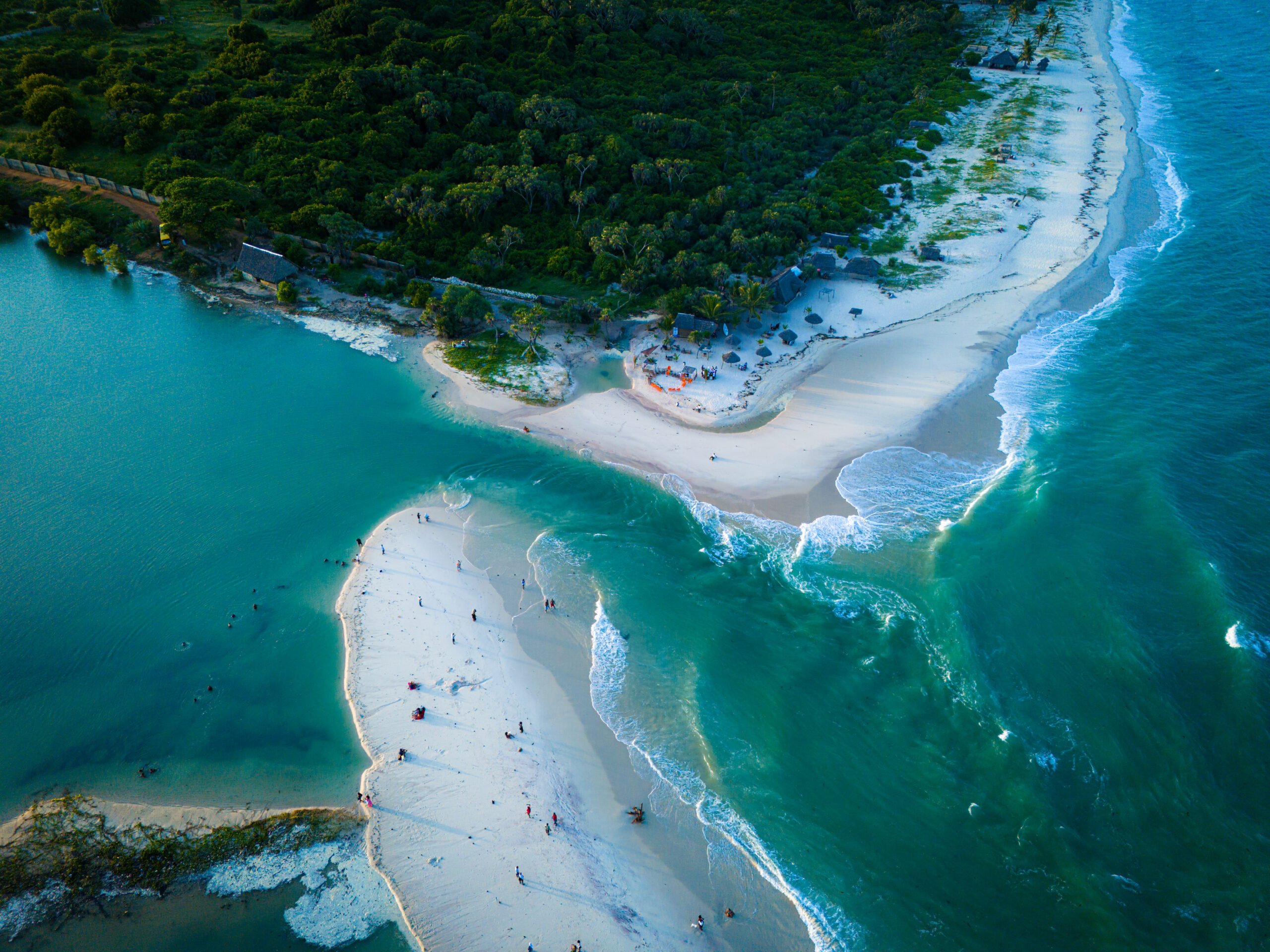
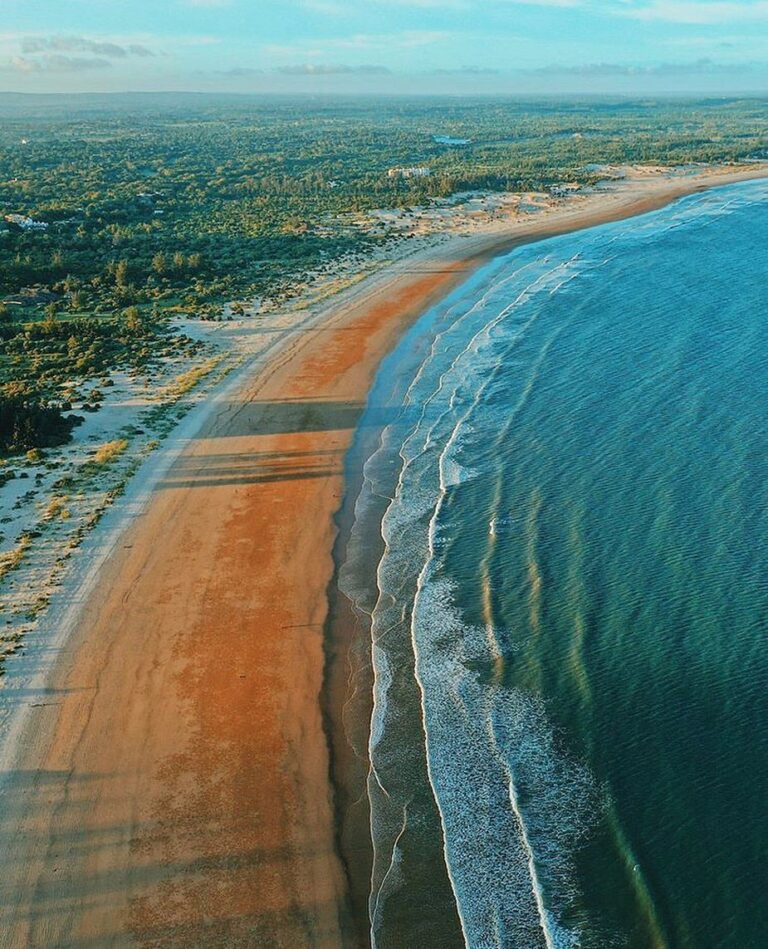
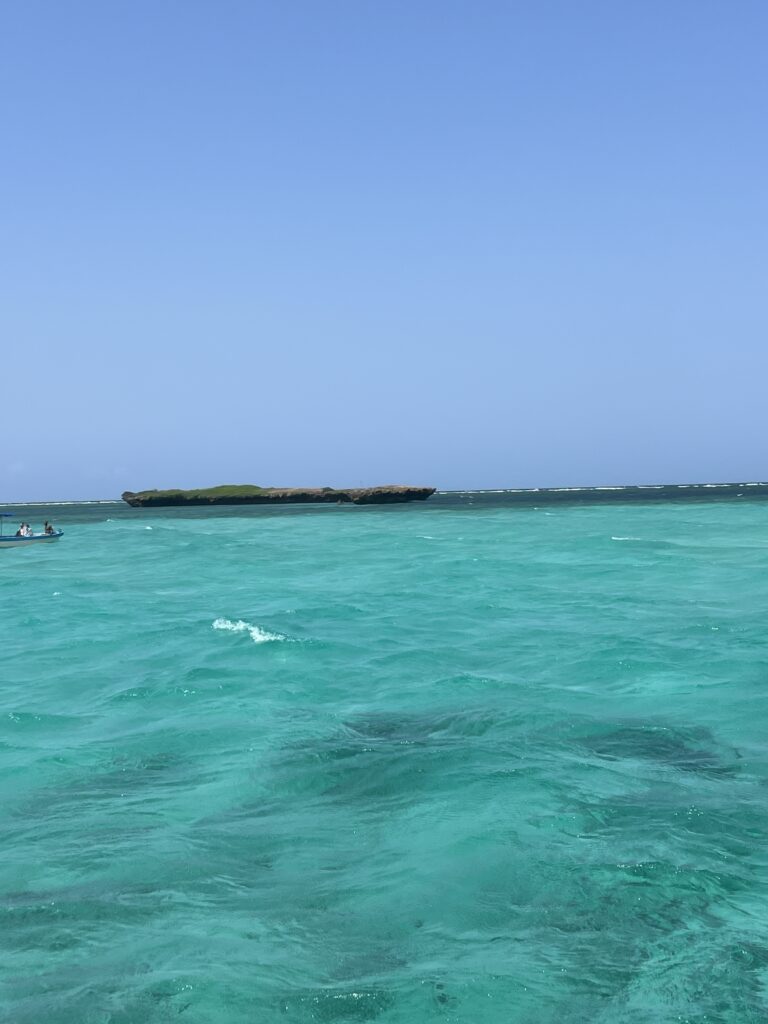
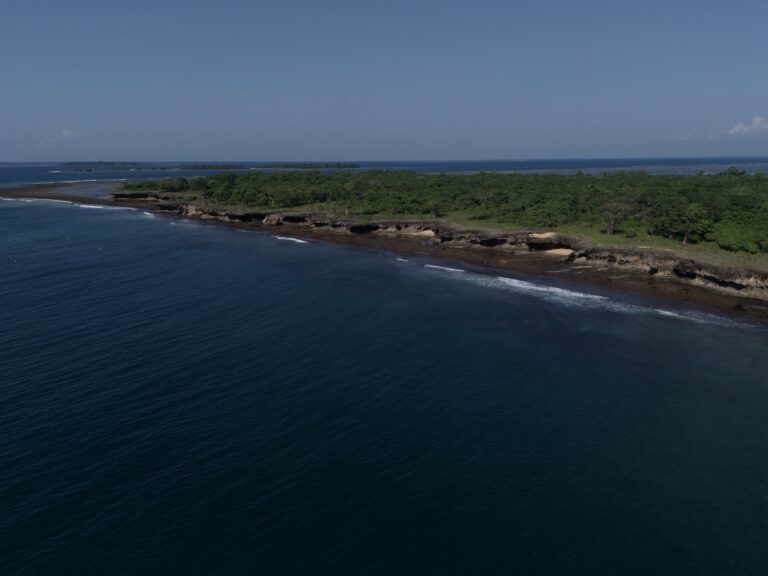
Kenya’s Indian Ocean edge runs from the Tanzanian border to the Lamu archipelago and the northern islands near Somalia. It is not a continuous strip of resort beach. Coral platforms, tidal creeks, mangrove forests, river mouths, dune systems, limestone headlands and old port settlements interrupt and reshape the shore. Offshore reef shelters many beaches from the full force of the ocean, creating lagoons whose depth, colour and usability change markedly with the tide.
On the South Coast, the long Diani–Galu shore lies beyond Mombasa Island in Kwale County. Tiwi is quieter and more broken by coral coves; Ukunda is the commercial town and air gateway; Diani and Galu carry the main concentration of accommodation and marine activities. Farther south, the coast becomes more rural on the way to Shimoni, Wasini and the Kisite-Mpunguti protected seascape.
Mombasa occupies an island and its surrounding mainland corridors. The old port faces the sheltered waters of Kilindini and Tudor Creek; the resort coast extends north through Nyali, Bamburi and Shanzu. Continue north and the shoreline changes again around Kilifi Creek, Watamu’s lagoons and Mida Creek, then Malindi and the mouth of the Sabaki River. Farther still, roads thin out and boat travel becomes more important around Lamu, Manda, Pate and the mangrove channels of the northern archipelago.
The physical coast explains much of the human one. Sheltered anchorages became ports. Monsoon winds created a seasonal maritime calendar. Coral rag supplied building stone. Mangroves provided poles for roofs and boats. Creeks held fish nurseries and offered transport routes long before modern roads. A good journey reads these relationships rather than treating the sea as scenery.
South Coast
The South Coast combines the region’s most versatile resort base with some of its strongest marine day journeys. Diani is developed, but the beach remains long enough for different characters to emerge. Galu tends to feel quieter. Tiwi has coves and coral shelves rather than one uninterrupted strand. Inland, Shimba Hills rises into cooler forest and grassland, creating a rare opportunity to move from reef to sable-antelope country in a day.
Mombasa and the North Coast
Mombasa is the historical and logistical centre of the coast. Its old island core carries evidence of Swahili, Portuguese, Omani, British and South Asian histories, while its bridges, ferries, port roads and expanding suburbs belong firmly to modern Kenya. North Coast beach stays can place guests within reach of the city without sleeping in its centre, though traffic makes location planning important.
Watamu and Malindi
Watamu and Malindi share a protected marine and biosphere landscape, yet offer different experiences. Watamu gathers around small bays, reef lagoons and conservation organisations. Malindi has the scale and texture of a town: markets, residential neighbourhoods, historic monuments, an airport and a distinct Italian-Kenyan social layer. Between and behind them lie Gedi’s archaeology, Arabuko-Sokoke’s coastal forest and Mida Creek’s mangroves.
Lamu Archipelago
In Lamu, the relationship between town, island and sea becomes unavoidable. Movement is largely on foot, by donkey or by boat. Manda Airport sits across the channel from Lamu Island, so every arrival ends on the water. Lamu Town, Shela, Manda, Pate and the outer islands should not be collapsed into one destination label; each has different access, accommodation and cultural contexts.
The Swahili Coast: history still in use
The coast’s history was never a one-way arrival of outsiders onto an empty shore. African communities built maritime towns and trading networks that connected the interior to Arabia, Persia, India and, later, Europe. Kiswahili grew within this world: a Bantu language enriched by long exchange and now spoken across East Africa. Islam became central to the rhythm and architecture of many coastal settlements. Trade brought ceramics, cloth, dates and ideas; exports included mangrove poles, ivory and other goods drawn through wide inland networks, including histories of exploitation that should not be romanticised.
Seasonal monsoon winds made the ocean a road with a timetable. Sailors could travel one direction when the kaskazi blew and return with the kusi. Ports rose, shifted or declined as channels silted, political power changed and new technologies altered trade. Portuguese fortification, Omani influence, the Zanzibar sultanate, British colonial rule, the railway and the modern port all left marks, but none erased the older Swahili foundations.
Today those histories remain visible in coral-stone walls, carved doors, shaded courtyards, mosques, markets, food and language. They are also alive in family life, worship, business and contemporary art. Old Town in Mombasa and Lamu Town are not open-air museums; visitors enter neighbourhoods where people study, pray, work and raise families. The most rewarding way to explore is with a knowledgeable local guide who can make architecture and trade history legible while helping guests move with respect.
Architecture shaped by climate
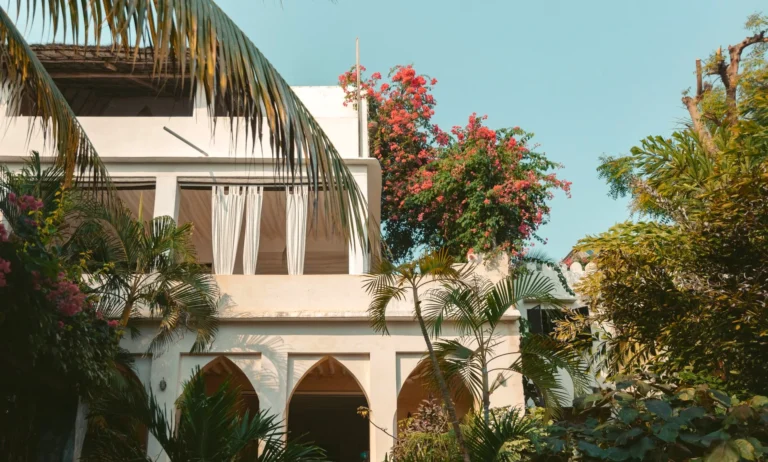
Traditional Swahili architecture responds intelligently to heat, privacy and dense settlement. Thick coral-stone walls moderate temperature. Narrow lanes create shade. Courtyards and internal openings move air through houses while protecting domestic space. Carved wooden doors announce craftsmanship and status, but the quieter features—plaster niches, roof structures, thresholds and street benches—often reveal more about how buildings were used.
Religion, language and etiquette
Kiswahili and English are widely used, alongside local languages. A greeting matters; even a simple jambo or habari, offered without haste, changes the tone of an encounter. In strongly Muslim neighbourhoods such as Lamu Town and Mombasa Old Town, dress should be more modest than at a resort. Shoulders and knees are best covered away from the beach. Ask before photographing people, especially at work, in markets or near religious spaces. Visitors should not enter a mosque unless invited or the site explicitly welcomes non-Muslim visitors.
During Ramadan, daily rhythms may shift and public eating or drinking in conservative areas deserves sensitivity. Alcohol is available in many hotels and restaurants but is not equally appropriate everywhere. Good manners are less about memorising rules than noticing where you are: beachwear belongs on the beach; neighbourhoods and places of worship deserve another standard.
Reading the Indian Ocean
Beaches and tides
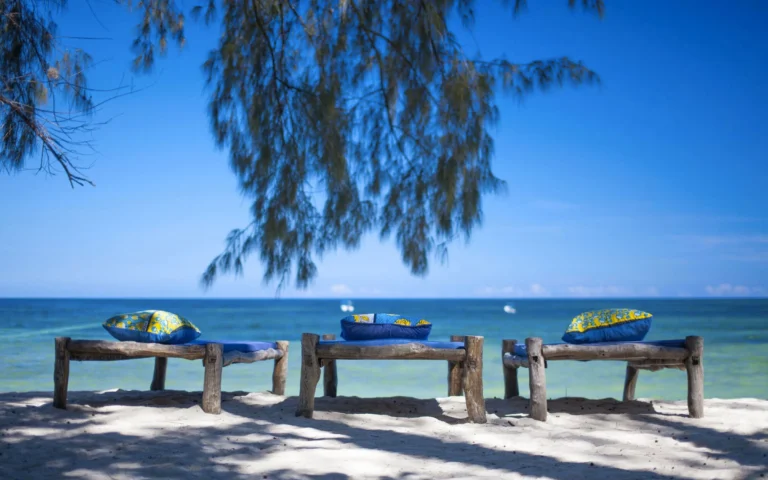
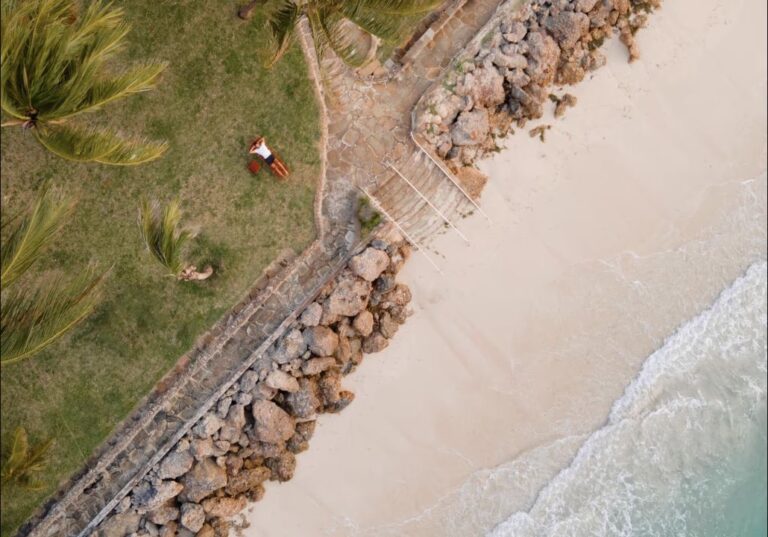
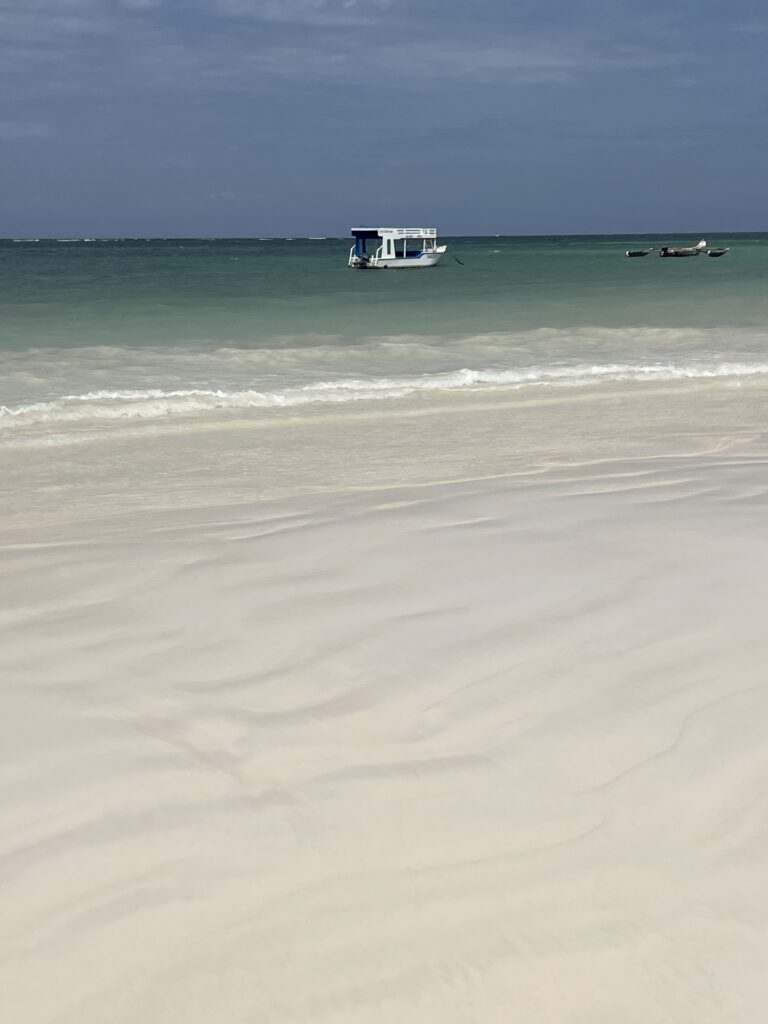
A Kenyan beach can appear broad and pale at one hour, then narrow to a ribbon beneath palms six hours later. The tide controls swimming depth, exposes reef flats, changes boat departure points and alters the colour of the lagoon. At low tide, sandbars, seagrass and pools become visible. Reef walking may be possible in designated places with a guide, but bare feet and unsupervised wandering risk cuts, urchin injuries and damage to living organisms. At high tide, water reaches farther up the beach and swimming may become easier, though local currents and wind still matter.
Ask for the day’s tide times rather than relying on a general description of a beach. Families may prefer a calm, rising tide for swimming. Photographers may choose low tide for graphic patterns and human scale, or high tide for clean water close to the palms. Divers, snorkellers, sailors and kite surfers each read tide and wind differently.
Coral reefs and marine parks
Fringing reefs soften ocean swell and create the shallow lagoons associated with much of the coast. They are living systems, not underwater scenery. Coral colonies build habitat for reef fish and invertebrates; seagrass beds feed turtles and store carbon; mangroves shelter juvenile fish and protect creeks. Warming seas, bleaching, pollution, careless anchoring, sediment and physical contact all place these systems under pressure.
Kenya Wildlife Service manages marine parks and reserves at Diani-Chale, Kisite-Mpunguti, Mombasa, Watamu, Malindi and farther north. Rules vary by zone. In a no-take national park, extraction is prohibited; surrounding reserves may allow regulated use. Entry, boat operation and activity fees can change, so we verify them when arranging a journey rather than printing rates that soon become misleading.
Diving and snorkelling
Diving ranges from sheltered training conditions to reef walls, pinnacles and channels affected by current. Visibility changes with season, wind, rainfall, plankton and site. Certified divers should expect an operator to check qualifications, recent experience and equipment needs. Beginners can learn or make a supervised introductory dive through a recognised professional; hiring tanks and descending independently is not an acceptable shortcut.
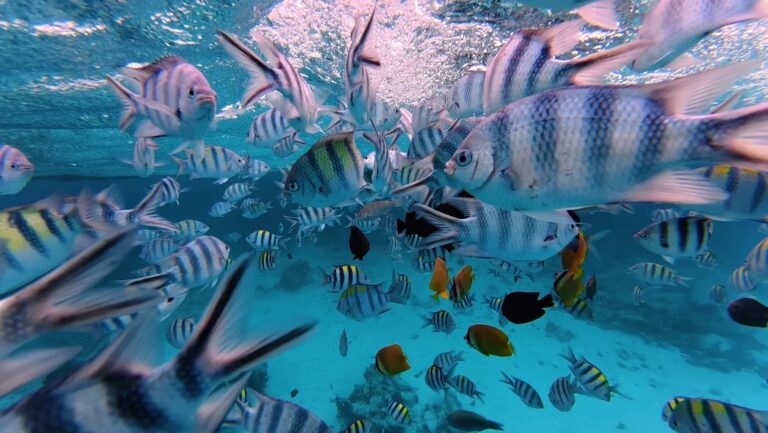
Snorkelling can be simple, but it still benefits from planning. A flotation aid, correctly fitted mask, sun protection and a guide can transform the experience for a hesitant swimmer. Boats should carry suitable safety equipment. Coral should never be stood on or collected, turtles should not be chased and fish should not be fed to manufacture an encounter.
Sailing, dhows and fishing
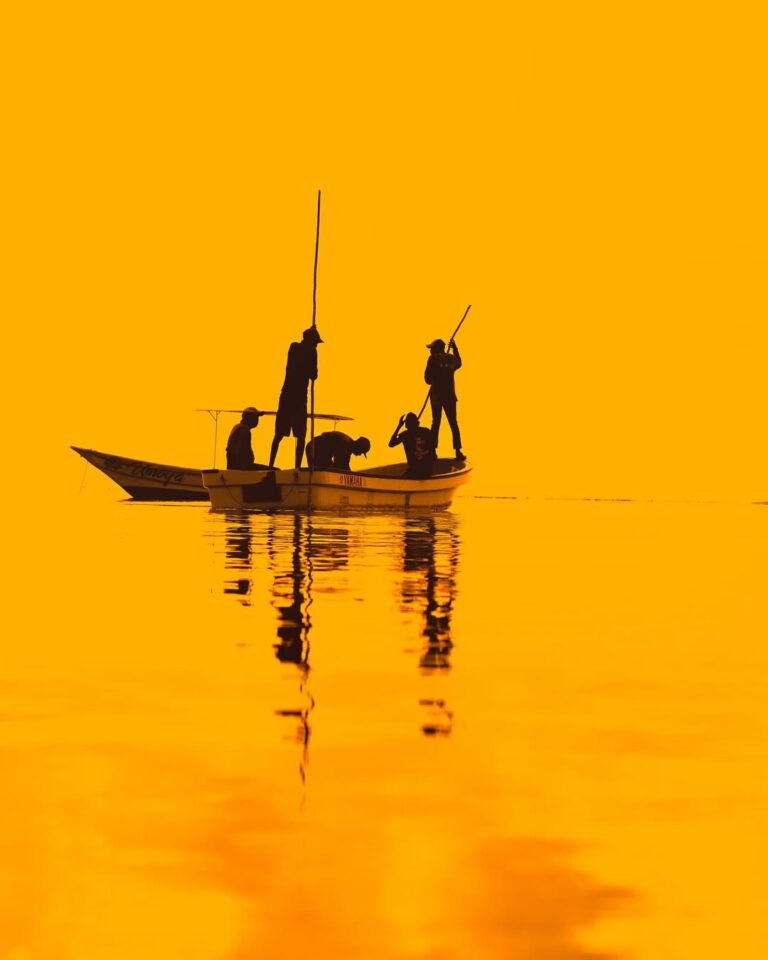
A dhow sail is most meaningful when the vessel is understood as part of a working maritime culture. Hull forms, lateen sails, fishing knowledge and the reading of wind and channel have been refined over generations. Experiences range from a short sunset sail to a day through mangrove channels or a longer private charter. Vessel condition, weather, life jackets, crew competence and passenger numbers matter more than a romantic silhouette.
Deep-sea fishing operates beyond the reef and is strongly seasonal by species and sea conditions. No responsible skipper guarantees a catch. We favour licensed, safety-conscious crews and support catch-and-release for vulnerable billfish where appropriate. Guests who do not fish can still value the coast’s fishing culture through markets, landing sites and meals—always approached as working places, not staged attractions.
Watersports
Kitesurfing, paddle sports, jet skis and wind-driven sailing all depend on local conditions and responsible operating zones. Powered craft must be kept away from swimmers, reef shallows and sensitive wildlife. A proper briefing, life jacket, maintained equipment and clear emergency procedure are basic requirements. The most enjoyable session is not necessarily the fastest; it is the one suited to the rider, tide, wind and place.
Marine wildlife
Turtles, dolphins, reef fish, rays and seasonal larger marine animals occur along the coast, but wildlife is never a scheduled performance. Dolphin boats should avoid encircling or pursuing pods. Turtles need space to surface and feed. Nesting beaches require darkness and quiet; hatchlings should not be handled unless a recognised conservation team is directing an intervention. We describe chances honestly and choose operators by behaviour, not by claims of guaranteed sightings.
Mangroves, forests and wildlife ashore
The coast’s natural history continues beyond the beach. Mangrove creeks such as Mida are tidal forests, nurseries and transport landscapes. Arabuko-Sokoke protects one of East Africa’s most important remaining coastal forests and is best explored with a specialist guide who understands its birds, mammals, plants and subtle signs. Shimba Hills combines forest and grassland and protects Kenya’s remaining breeding population of sable antelope, alongside elephants and rich botanical diversity. Around Diani, colobus conservation draws attention to the fragmented canopy, road crossings and development pressures faced by primates in a rapidly growing tourism area.
These places should not be sold as guaranteed sightings. Coastal forest wildlife can be quiet and difficult to see. The reward is a richer understanding of an ecosystem in which reef, creek, forest, farms and towns are connected.
A coast tasted through trade
Coastal cooking carries the same history as the ports. Coconut milk softens fish curries and bean dishes. Rice absorbs spice in pilau and biryani. Cassava, plantain, lime, tamarind, chilli and tropical fruit move between home kitchens, market stalls and restaurant menus. Chapati, samosa and tea speak to South Asian influence; grilled fish and octopus reflect both local waters and the skill of the cook. Swahili breakfast may be savoury and substantial rather than continental and sweet.
Seafood is not automatically local, sustainable or fresh because it is served beside the ocean. A good host can help guests ask what was landed, how it was caught and what is in season. Dietary restrictions should be discussed early; coconut, nuts, shellfish and spice require clear communication. Street food can be excellent, but busy stalls with high turnover and careful handling are wiser than food that has sat in the heat.
Where to stay
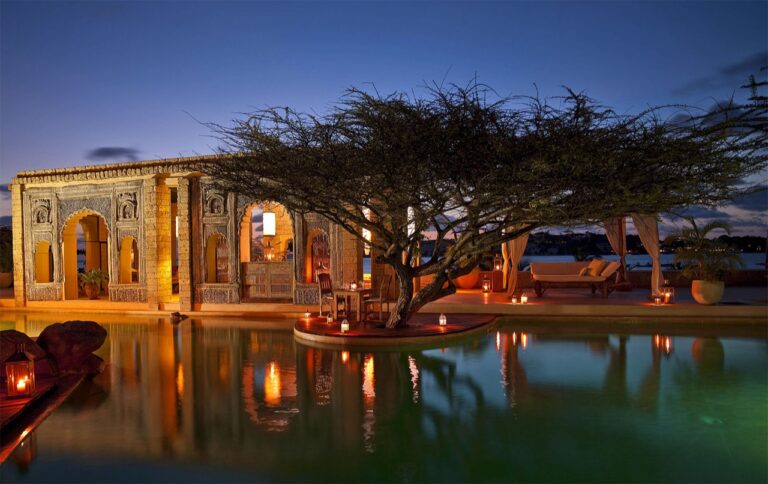
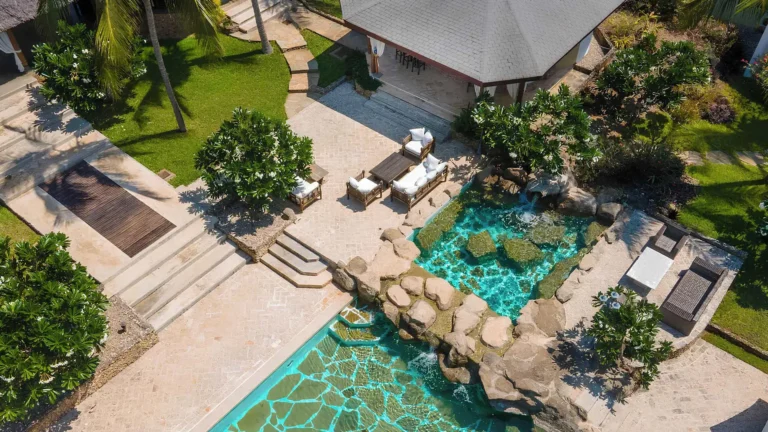
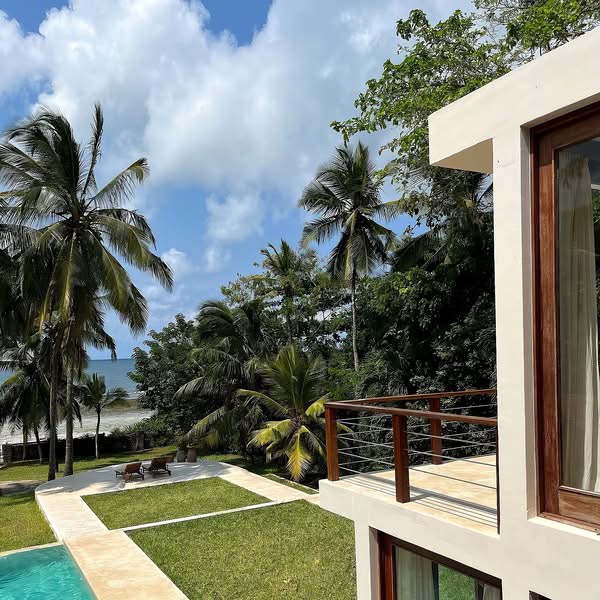
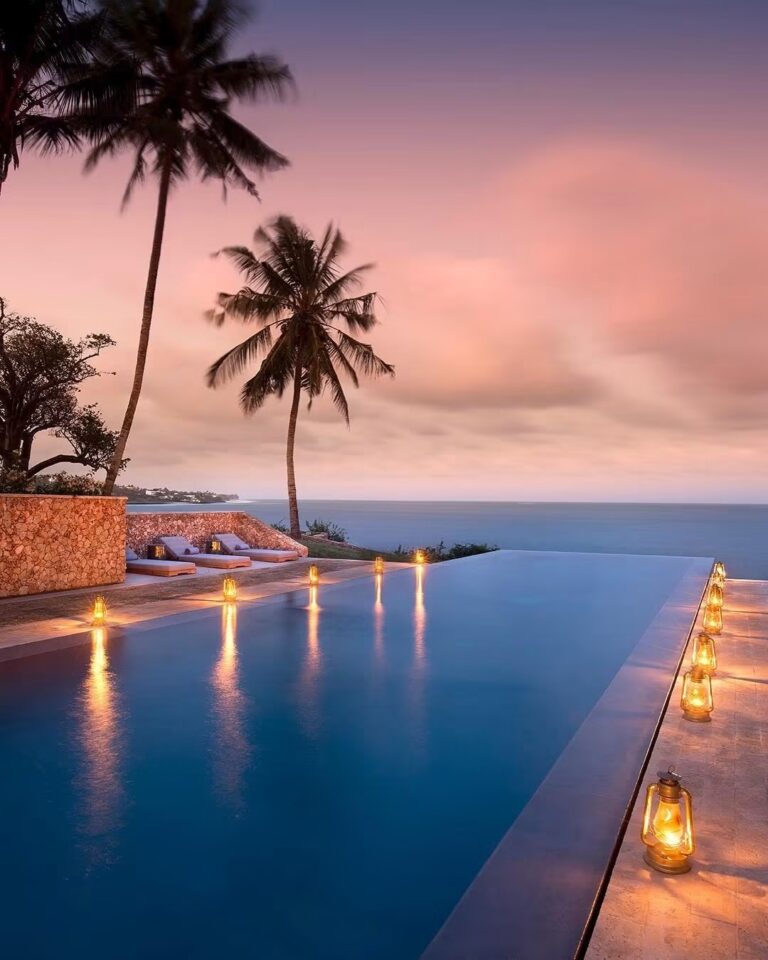
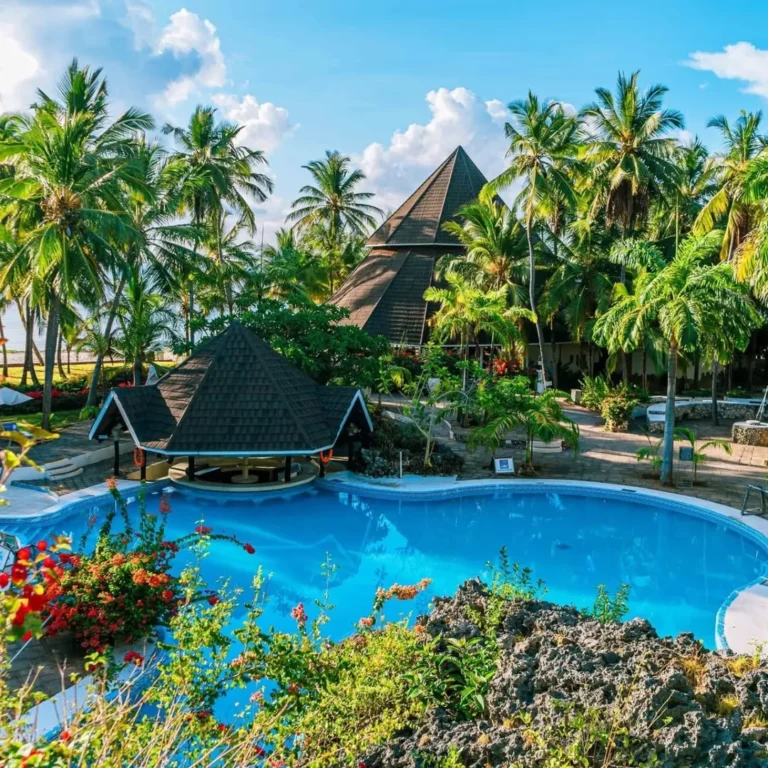
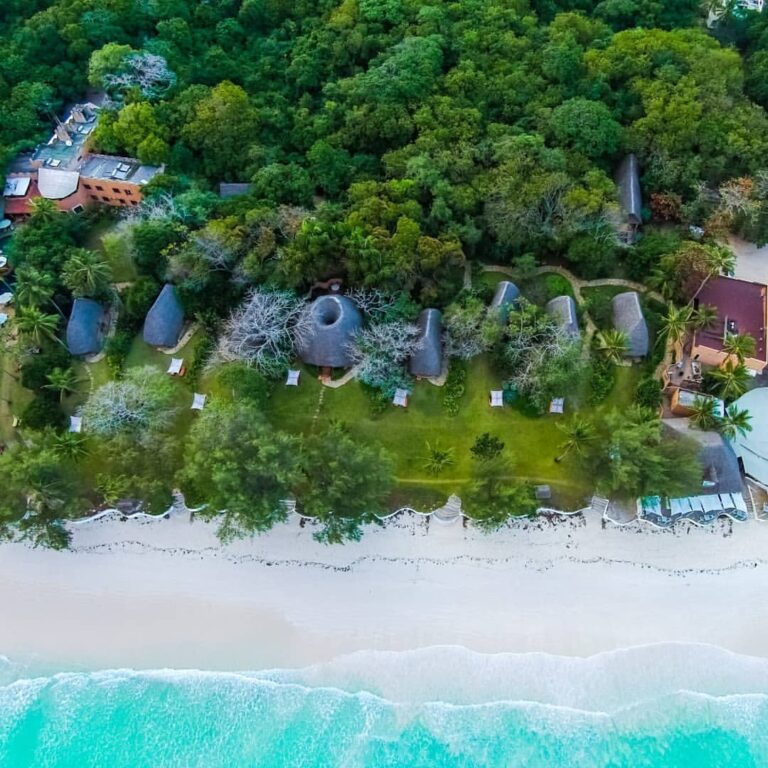
The coast accommodates almost every travel style, but location matters more than star labels. A beachfront resort offers immediate sea access and a managed activity desk. A private villa can provide space and privacy but may require advance decisions about staff, meals, transport and security. Boutique properties in Lamu or Mombasa can bring architecture and town life close, while remote lodges trade convenience for solitude.
Families need to consider pool supervision, room configuration, tide, medical access and transfer time. Couples may prioritise privacy, a quieter section of beach and strong food. Divers should look at departure points and equipment handling. Travellers who want restaurants and independent movement may prefer a more central base. Ultra-luxury is meaningful only when service, setting and logistics work together; a beautiful isolated villa is not ideal if every desired activity requires a long road transfer.
Planning the season
The coast is warm throughout the year, but wind, rain, humidity and sea state change. The northeast monsoon generally brings drier, sunnier conditions and useful winds for sailing and kitesurfing. The southeast monsoon is often stronger and can make the open ocean rougher. The long rains typically peak around April and May, though weather patterns are increasingly variable; showers can be intense and local rather than continuous. November often brings shorter rains. Water remains warm, but visibility and boat comfort are not constant.
Holiday periods change price and availability. Ramadan and major festivals can alter rhythms in culturally conservative areas while offering a meaningful window into community life for guests who travel respectfully. Diving, fishing, turtle and whale interests each have their own seasonal considerations, which we check against current operator knowledge rather than promising a universal “best month”.
Getting there: flight, rail or road?
Mombasa’s Moi International Airport is the principal large airport. Ukunda serves Diani and often provides the cleanest finish to a safari-to-beach itinerary. Malindi Airport serves the north coast, while Manda Airport is the air gateway for Lamu and ends with a boat transfer. Domestic schedules change seasonally, and baggage allowances on smaller aircraft can be far lower than on international flights.
Kenya Railways’ Madaraka Express connects Nairobi Terminus at Syokimau with Mombasa Terminus at Miritini. Rail is comfortable and gives a gradual view of the country, but both stations sit outside their city centres and require planned transfers. For Diani, the onward road still matters. Road journeys work particularly well when Tsavo is part of the route; driving from Nairobi simply to reach the beach consumes a full day and should be chosen for a reason.
From safari to sea
The best safari-to-coast connection preserves the quality of both halves. Tsavo can lead naturally by road towards Mombasa or Diani. Amboseli and the Mara may connect by scheduled or charter aircraft, sometimes through Nairobi or another hub. Mount Kenya and Northern Kenya require more careful coordination. Direct-looking lines on a map are not always direct services in the timetable.
We build a realistic connection around airstrip, baggage, check-in time, road transfer and the first night on the coast. A tight chain can save hours but leave no resilience; an unnecessary overnight can cost a day. The right answer depends on the whole journey.
Families, couples and solo travellers
For families, reef lagoons, pools and short nature excursions can work beautifully, but adult supervision and tide knowledge remain essential. Couples have a wide choice from private South Coast villas to Shela houses and small Watamu hotels. Solo travellers may value a walkable setting, a social dive centre or a guided cultural programme more than an isolated resort. We do not assume that luxury means seclusion for everyone.
Photography
Coastal light is reflective and changes quickly. Early morning brings cleaner beaches, working boats and softer portraits; late afternoon warms coral walls and sails. Midday can reveal reef colour from above but is harsh for people. Tides matter as much as the sun. In towns, a wide lens can show architecture, yet photography must not turn residents into props. Ask, converse and accept refusal. Drone flying requires current permission, local consent and respect for wildlife, airports, settlements and protected areas.
Ethical travel
Choose boats and dive operations that carry safety equipment, follow marine rules and treat crew professionally. Avoid touching coral, buying shells, feeding wildlife or crowding dolphins. Refill water where safe, reduce single-use plastic and keep waste out of beaches and creeks. In heritage towns, support local guides, craftspeople and restaurants without confusing consumption with access to private life. In Lamu, consider donkey welfare before accepting transport. At turtle sites, follow recognised conservation teams rather than informal handling experiences.
Why local knowledge matters
The coast can look effortless from a hotel terrace, but good days depend on information: which tide suits a child’s swim, where the wind will affect a boat, whether a reef site fits a new diver, how long a transfer really takes, what dress is appropriate in a neighbourhood and which operator maintains equipment properly. Wilderness Alternative treats the Coast as part of the expedition, not an outsourced afterthought. We coordinate the transition and select specialists where certification or local marine expertise is required.
Frequently asked questions
How many nights should I spend on the Kenyan Coast?
Four nights is a useful minimum after safari; five to seven allows weather flexibility and a richer mix of sea, culture and nature. Lamu and multi-base coast journeys reward longer stays because transfers are part of the experience.
Which coast is best after safari?
Diani is the most versatile and often the easiest to connect by air. Watamu suits marine and conservation interests. Lamu offers the strongest cultural contrast. Mombasa works when history and urban life matter. The best choice depends on the preceding safari and the journey you want next.
Is the sea always calm?
No. The offshore reef shelters many lagoons, but wind, tide, channels and seasonal sea state still change conditions. Local advice should guide swimming and boat decisions each day.
Can beginners dive?
Yes, through a properly supervised introductory or training programme with a recognised dive professional. Guests should not hire scuba equipment for independent use without the appropriate certification and experience.
Is the Coast suitable for children?
Very often, yes. Choose accommodation and beach geography carefully, plan around tides, use flotation where appropriate and treat all water as requiring active adult supervision.
Do I need to choose between safari and the Coast?
No. Kenya is unusually strong at combining them. The key is to design the transfer as deliberately as the wildlife and beach stays, rather than joining two unrelated bookings.
Plan your Coast journey
Tell us where your safari ends, how you like to spend time by the sea and whether your priorities are culture, diving, family space, privacy, food or a mixture. We will recommend the right coast, a realistic connection and the specialists needed for the activities you choose.