HISTORIC PORT • MARINE PARK • LIVING TOWN
Malindi faces the Indian Ocean as a town, not a resort corridor. Fishing boats, mosques, Portuguese-era monuments, Italian cafés, markets and protected reef belong to the same place. Its contradictions are not distractions from the destination; they are the reason to spend time here.
A port with a long memory
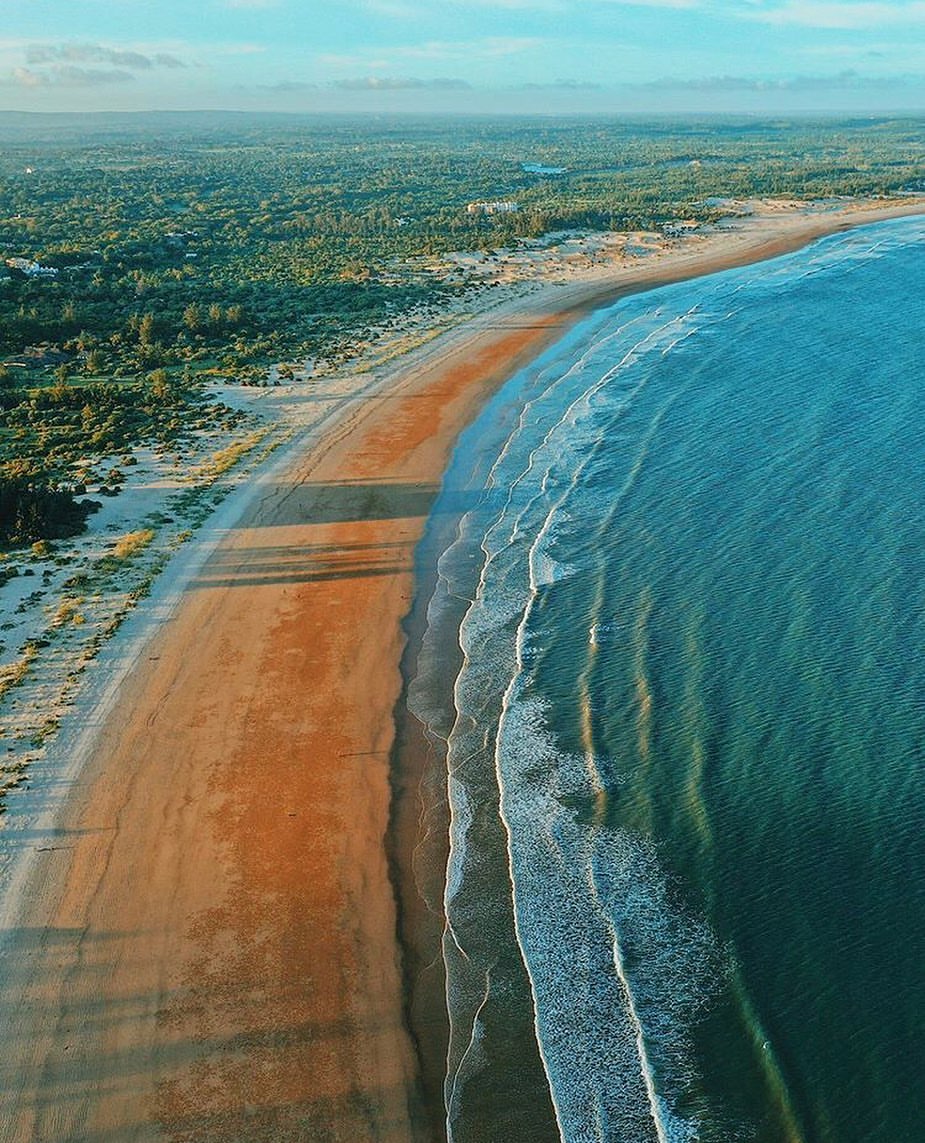
Malindi lies north of Watamu near the Sabaki River’s entry into the Indian Ocean. Its shoreline is influenced by river sediment as well as reef and tide, producing colours and beach conditions that differ from the enclosed Watamu lagoons. The urban area contains a busy Kenyan town, Swahili neighbourhoods, tourist properties, long-established Italian businesses and practical services for a wide hinterland.
Swahili Malindi was part of the maritime network connecting East Africa with Arabia, Persia and India. When Portuguese sailors entered the region at the end of the fifteenth century, Malindi allied with them against rival Mombasa. Vasco da Gama’s arrival belongs to that contested politics, not to a simple European “discovery” of an unknown coast. The pillar associated with his passage became a navigational and historical landmark; today it is managed within Kenya’s national heritage system.
Portuguese influence later shifted as regional power changed, while Omani, Zanzibar-linked and British colonial periods altered commerce and administration. The modern town’s Italian presence developed much later through tourism, residence and business. Italian language, restaurants and property culture are visible, but Malindi remains Kenyan and Swahili rather than a European enclave on African sand.
Walking the town
A guided town walk can connect the pillar, old mosque sites, market streets, seafront and contemporary neighbourhoods. The value lies in relationships: how a port shifted, how religious and commercial buildings used coral, and how the town now functions. Dress modestly near mosques and residential areas. Ask before photographing people, boats at work or private doorways.
Markets are active rather than curated. Heat, traffic and crowding make early hours preferable. Small museums and monuments should be checked for current opening and ticket arrangements. Malindi’s history also connects naturally to Gedi, about a short drive south, where archaeological remains reveal another Swahili urban story.
Malindi Marine National Park and Reserve
Established in 1968, Malindi Marine National Park and Reserve was Kenya’s first marine protected area. It later formed part of the Malindi–Watamu biosphere landscape recognised in 1979. Coral gardens, fringing reef, seagrass, mangroves and mudflats support reef fish, turtles, rays, dolphins and invertebrates. The protected water begins close to town, demonstrating that conservation and urban coast cannot be separated.
Boat excursions may visit coral gardens, reef areas or seasonal sand formations according to tide and permitted access. Some water is suitable for casual snorkelling; other sites are deeper or exposed. A responsible operator explains park fees, flotation, the day’s visibility and why a site fits the group. Glass-bottom boats can include non-swimmers but should still meet passenger and safety standards.
Diving and snorkelling
Dive sites vary by depth, current and season. Certified divers should expect qualification checks and a site briefing. Beginners need professional training or a supervised introductory programme. Snorkellers should avoid standing on coral and keep distance from turtles. Rainfall and Sabaki River discharge can influence water clarity; no honest operator guarantees a fixed visibility.
Fishing, sailing and watersports
Malindi has a long fishing culture and access to offshore sport fishing. Species and sea state are seasonal; catches cannot be promised. Charters should be licensed, equipped for offshore communication and clear about catch-and-release. Sailing, kitesurfing, kayaking and powered sports may be available by location, but protected zones, swimmers, wind and reef determine where they are appropriate.
Malindi is not Watamu
The two destinations are close enough to share an airport, marine ecology and day trips, yet they feel different. Watamu gathers around smaller bays and a conservation-led resort community. Malindi has the scale, commerce and energy of a town. It offers more urban services, a stronger Italian-Kenyan restaurant layer and immediate access to its own historical monuments.
Choose Watamu when reef lagoons, Mida Creek and a smaller base are central. Choose Malindi when town life, food and history matter alongside the sea, or when air access and wider local services are useful. Combining them works well: a guest might stay in Watamu and devote a guided day to Malindi, or spend nights in Malindi before moving south. Do not change hotels simply because the map shows two names; move only when the change creates a different experience.
Gedi, Sabaki and the wider landscape
Gedi’s Swahili archaeology and Arabuko-Sokoke Forest lie between the Malindi–Watamu corridor and inland roads. The Sabaki estuary adds birding and river-mouth ecology, but access and safety should be arranged with knowledgeable local guides. These places give Malindi a strong non-beach programme, especially for guests interested in history, birds and photography.
Where to stay and what to eat
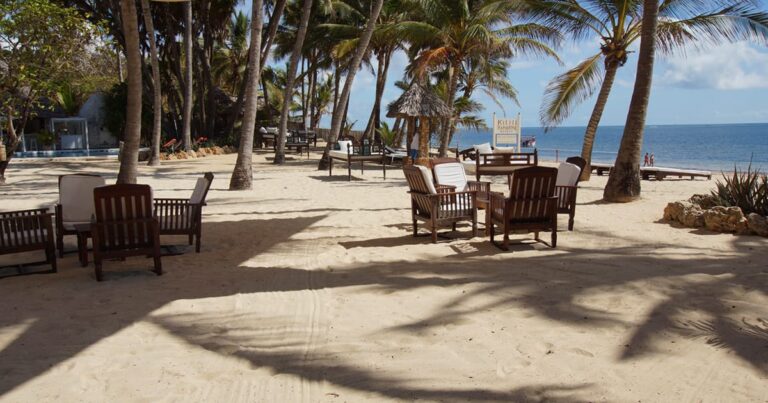
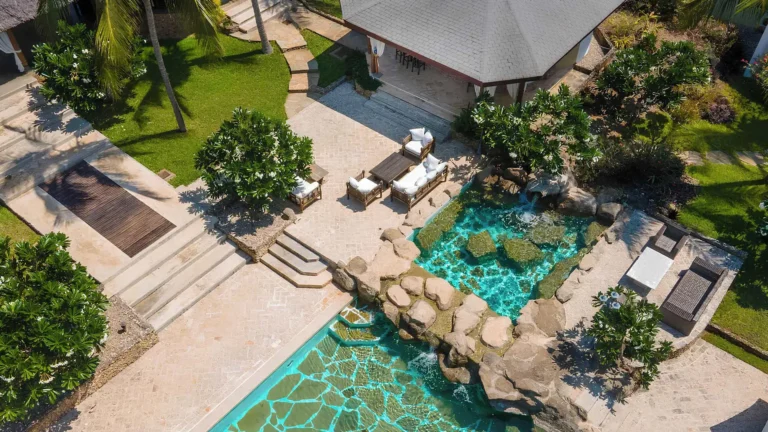
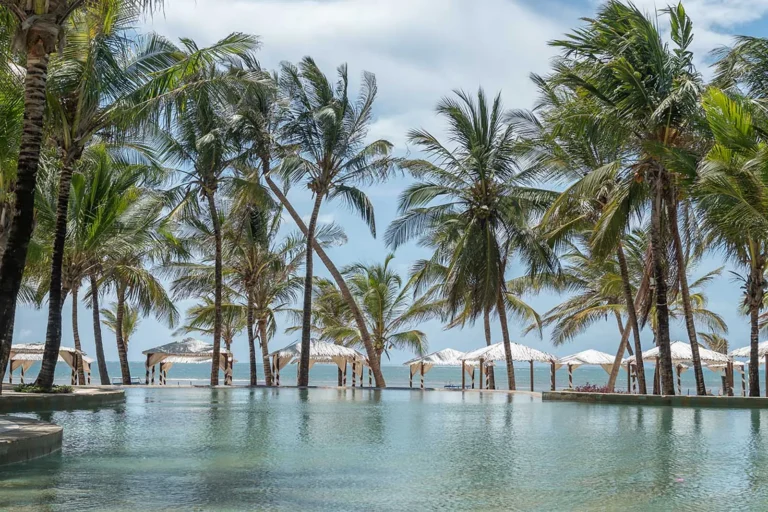
Malindi offers town hotels, beachfront resorts, villas and high-end retreats around the wider coast. A central stay improves access to restaurants and town life but may bring traffic and noise. Resort areas provide pools and managed beach space, though beach form and water colour vary. Private villas need clear staffing, transport and meal plans. Verify air-conditioning, generator or backup power, pool supervision and actual walking access to the sea.
Coastal Kenyan and Italian cooking coexist naturally here. A day might include mahamri and tea, grilled fish with coconut rice, then excellent pasta or gelato. The best menus respond to local catch and produce rather than importing an idea of the Mediterranean unchanged. Ask what seafood is seasonal and communicate shellfish, nut and coconut allergies.
Getting to Malindi
Malindi Airport receives scheduled domestic flights, generally from Nairobi and according to current airline routing. It is the cleanest access for many travellers and also serves Watamu. Aircraft size may limit baggage. Moi International Airport and the Mombasa SGR terminus require a northbound road transfer that can take several hours depending on origin and traffic.
By road, Malindi connects south to Watamu, Kilifi and Mombasa and north towards the Lamu County mainland. Lamu Island is usually better connected by air to Manda than by treating the northern road as a routine tourist transfer. Safari connections often route through Nairobi; direct coastal or safari flights must be checked on the actual date.
Best time and length of stay
Two nights can introduce the town and marine park; three or four lets guests add Gedi, forest or a slower food day. Malindi is warm year-round. Drier periods often fall from December to March and July to October, while rain and wind affect marine plans. River outflow and sea conditions can change visibility even on a sunny day.
Families, couples and solo travellers
Families should choose pool and beach conditions carefully and keep road days short. Couples may value a boutique property with strong food more than a large resort. Solo travellers often appreciate Malindi’s services and town activity, but should arrange trusted transport after dark. Luxury can mean a private retreat outside the centre; confirm how much driving that creates.
Safety, ethics and photography
Use verified boats, guides and transfers. Protect valuables in markets and avoid unfamiliar walking routes at night. Observe marine-park rules and never collect coral or shells. Photograph monuments with their setting, but seek permission for portraits and working fishing scenes. Drones require current aviation, airport, protected-area and privacy approval.
Frequently asked questions
Is Malindi worth staying in?
Yes for travellers interested in a living coastal town, food, history and marine access. It offers a different experience from a self-contained resort.
Malindi or Watamu?
Malindi for town culture, services and historical layering; Watamu for reef lagoons, Mida Creek and a smaller conservation-led base. They combine easily.
Can I use Malindi Airport for Watamu?
Yes. It is the nearest scheduled airport for Watamu, with a pre-arranged road transfer.
How many nights?
Two for a focused stop; three or four for marine, heritage and inland variety.
Is the water always clear?
No. Tide, wind, rainfall, plankton and river discharge affect visibility. Plan with current local information.
Plan a Malindi journey
We can place Malindi correctly within a north-coast journey, choose whether it needs its own nights and connect its history, marine park and food without treating it as an appendix to Watamu.