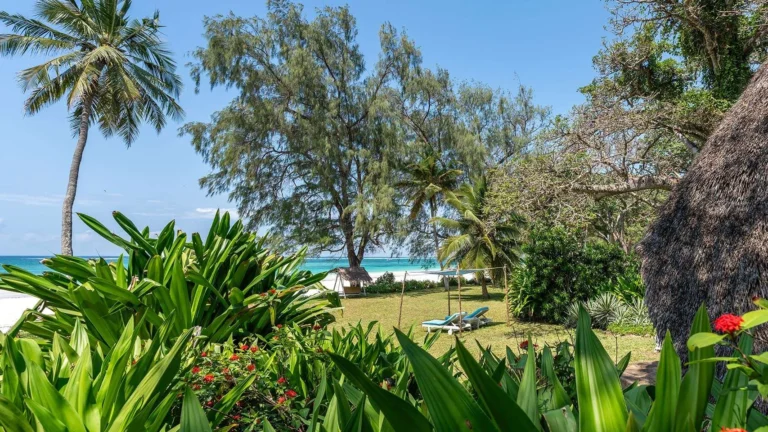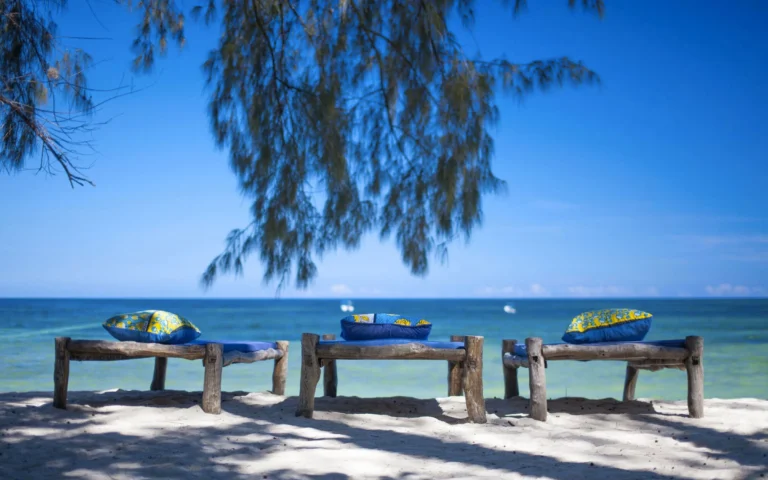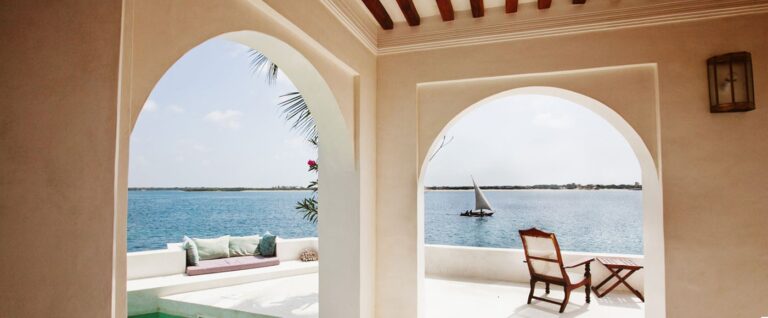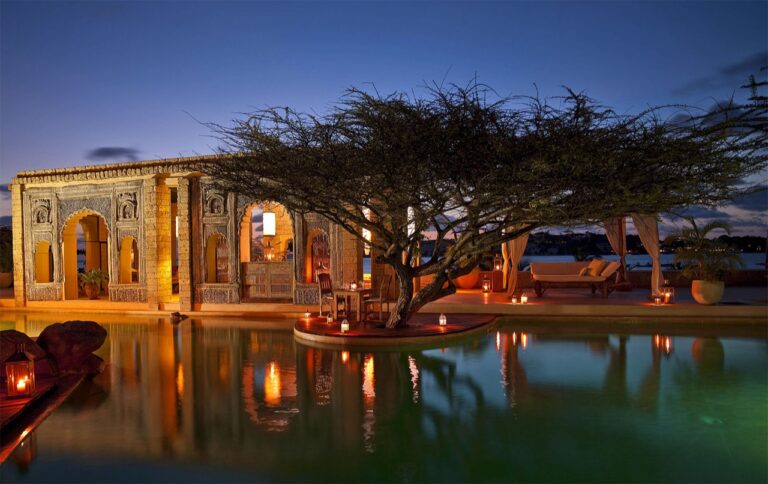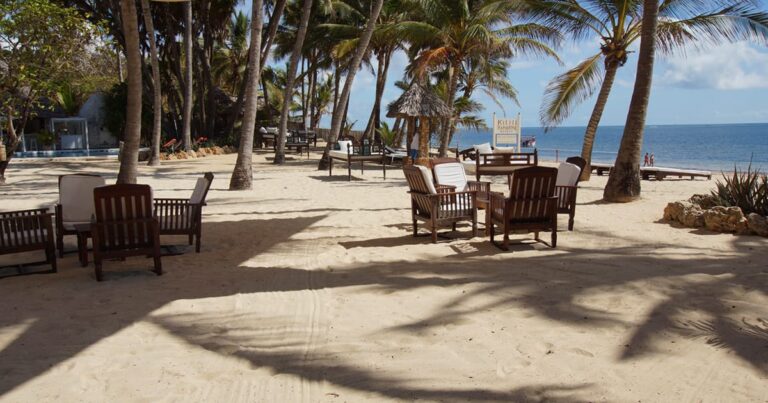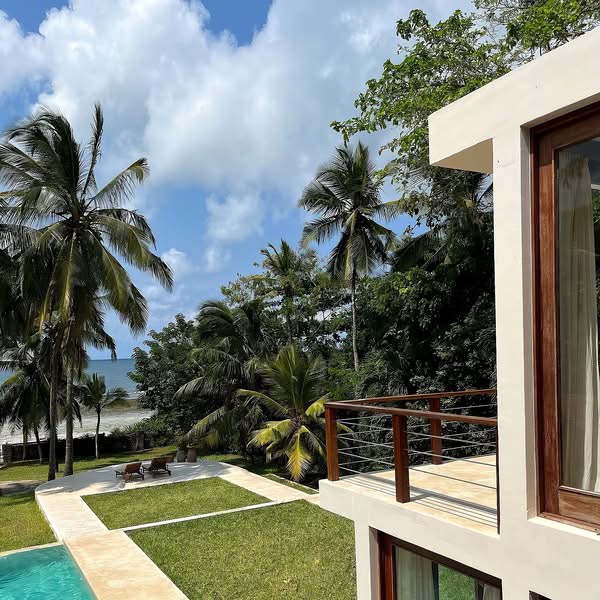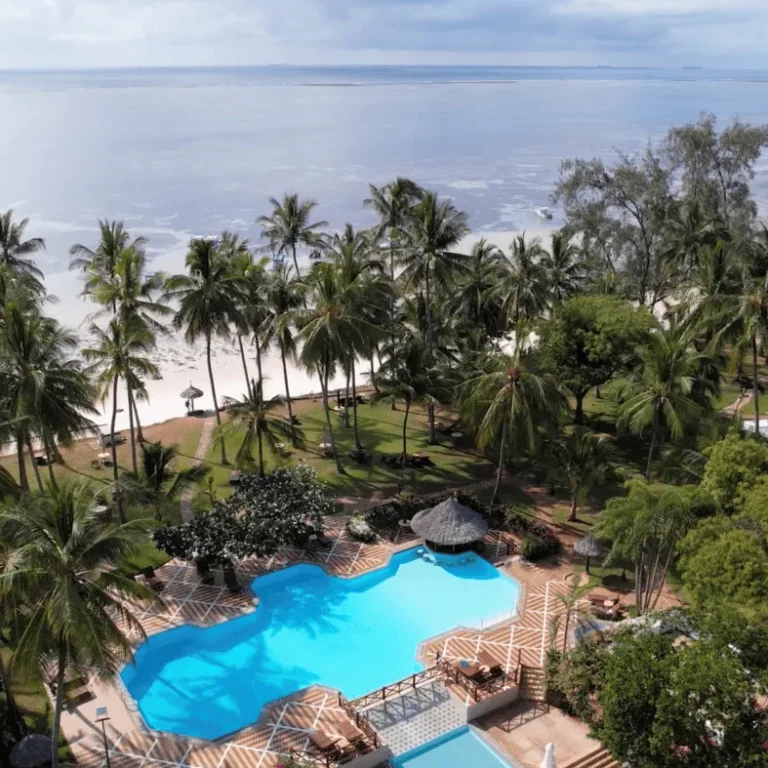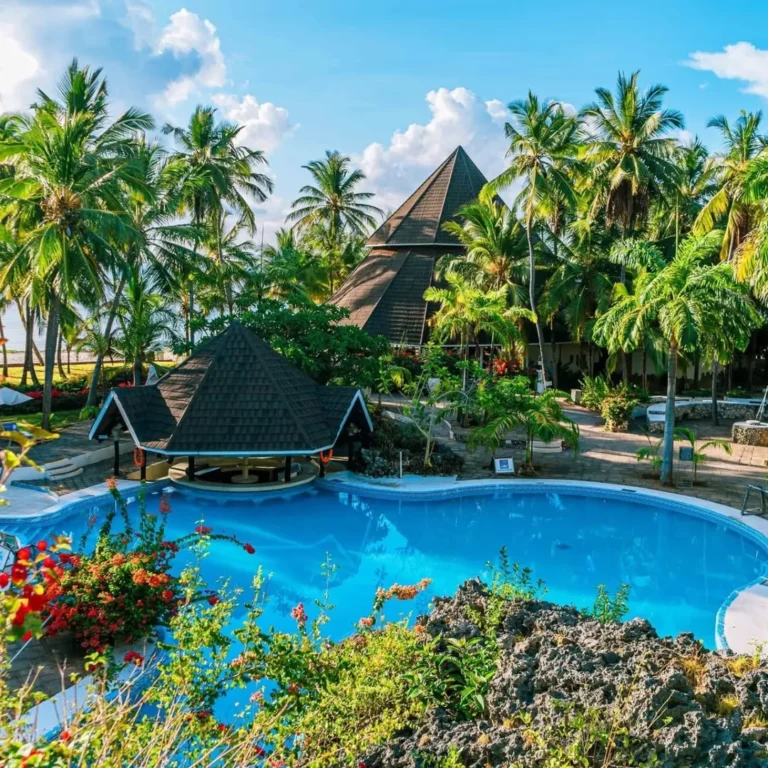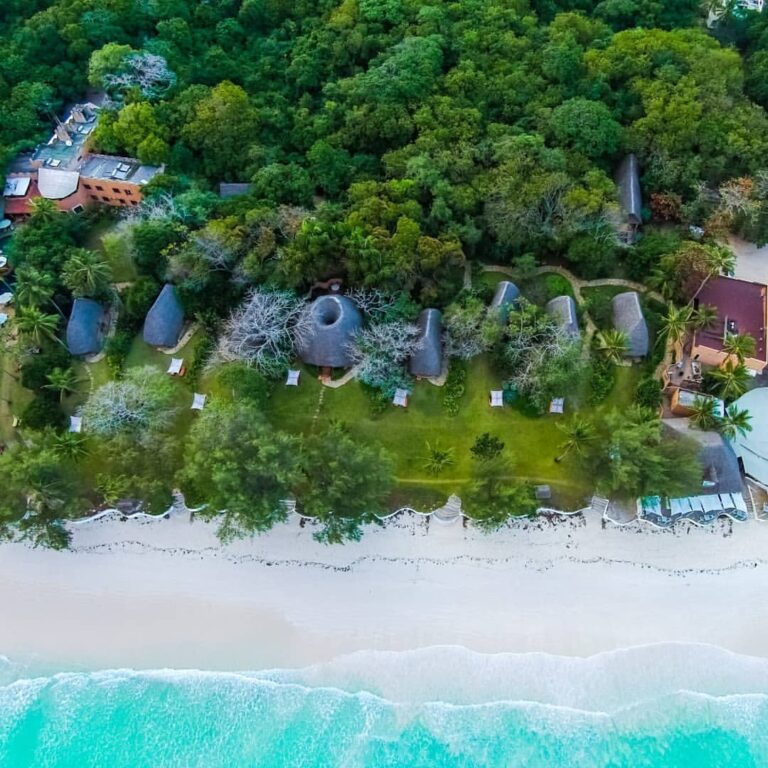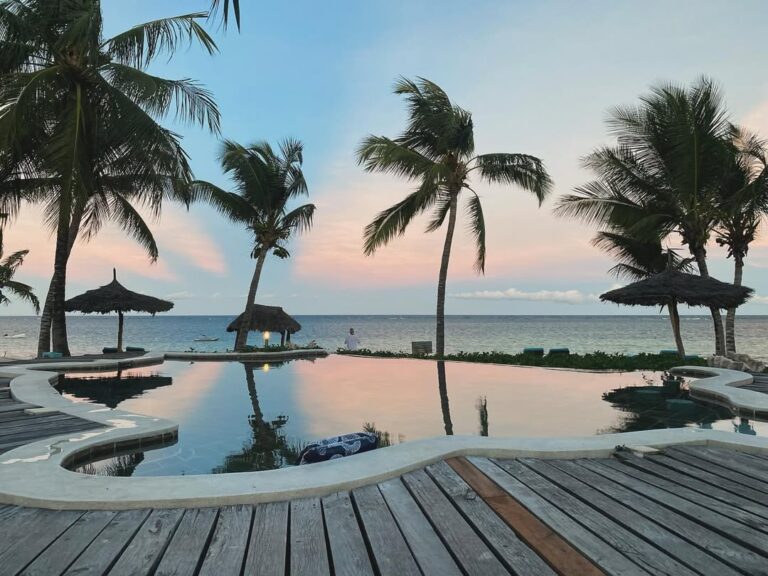
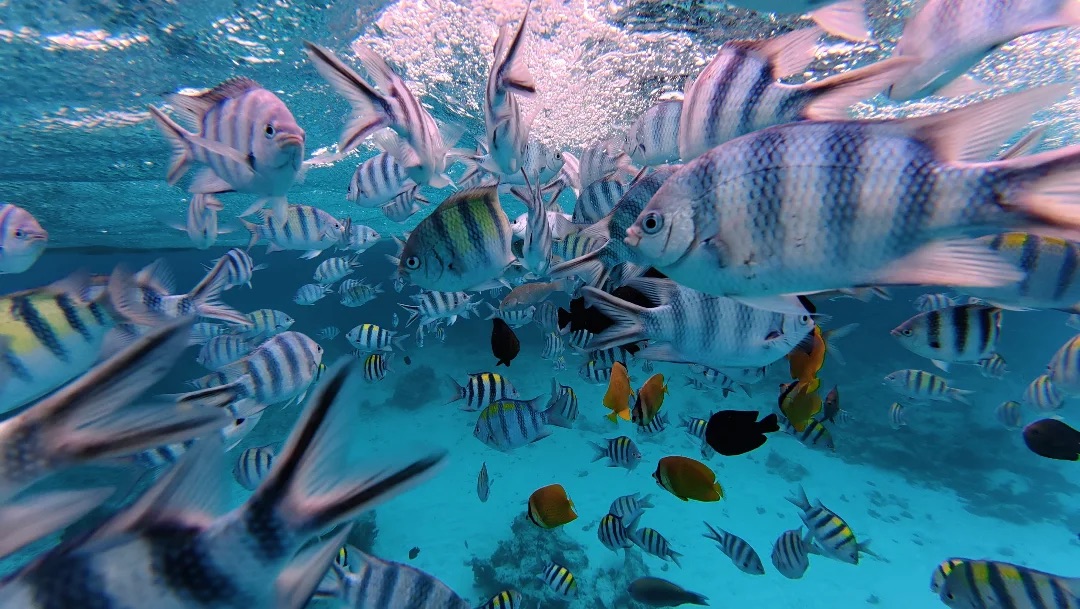
Responsible travel on the Kenyan coast begins with recognising that the beach is not an empty backdrop. Reefs protect shorelines and support fisheries. Mangroves are nurseries, carbon stores and working landscapes. Turtle nesting beaches, village paths, Islamic towns, fishing grounds and hotel frontages overlap. A thoughtful journey makes room for all of them.
Good intentions are not enough. The practical choices—where we anchor, how we approach wildlife, what we carry, whom we pay and how we behave in a town—determine whether a visit is respectful.
Reefs are living structure
Coral is an animal colony, not rock. Standing, kicking or dropping an anchor onto it causes damage that can take years to repair. Snorkellers should use flotation when needed, practise away from shallow coral and follow the guide’s entry route. Divers need buoyancy control before bringing a camera close to the reef.
Do not take shells, coral fragments or sand from protected areas. Even an apparently empty shell may become habitat for another animal. Avoid feeding fish: it changes behaviour and turns a natural encounter into dependence.
Wildlife needs distance
Dolphins, turtles and whale sharks are not guaranteed performances. A responsible skipper does not surround, chase or cut across an animal’s direction of travel. Swimmers enter only where local rules and the guide permit, in limited numbers and without touching.
A photograph made by pressuring wildlife is not a success. Use a longer lens from the boat, keep voices down and let the encounter end on the animal’s terms. Our founder Kenny brings the same discipline he uses in wildlife photography on safari: behaviour and space come before the frame.
Choose boats and guides carefully
Ask who owns the boat, what safety equipment is carried, how crews are trained and how waste is managed. Life jackets, communication, emergency oxygen for dive operations and a clear weather policy are basic signs of professionalism. A low price can hide rushed maintenance or unfair pay.
Community-based excursions can distribute income well, but a community label should not excuse weak safety or staged interaction. We look for competent operations with transparent roles for boat crews, guides, cooks and hosts.
Mangroves and tidal creeks
Mida Creek, Lamu’s channels and smaller estuaries are shaped by tide. Enter quietly, keep to navigable channels and avoid pulling at roots or disturbing roosting birds. Kayaks and small boats can reduce noise, but only when operated without scraping shallow habitat.
Sunset trips should not become a race between crowded boats. A slower departure with a knowledgeable guide often reveals more about fishing, mangrove ecology and the daily movement of the coast.
Plastic, water and waste
Carry a refillable bottle and use filtered water supplied by the hotel or vehicle where available. Decline unnecessary single-use bottles, straws and miniature toiletries. Reef trips should return every item brought aboard; fruit peel is still waste in a protected marine area.
Waste systems vary along the coast and on islands. A property that separates rubbish is only useful if collection and processing follow. We ask practical questions rather than accepting a green slogan. Travellers can help most by reducing what arrives in the first place.
Sun protection without avoidable harm
Protecting skin matters. A long-sleeved rash vest, hat and shade reduce the quantity of sunscreen entering the water. Choose a product that meets current reef-conscious guidance in your home market, apply it well before swimming and avoid aerosol spray on a windy boat. No sunscreen is a licence to overexpose the skin.
Turtles and nesting beaches
If a turtle is encountered while swimming, remain horizontal, keep distance and never block its route to the surface. On nesting beaches, follow local conservation guidance, keep lights low and do not handle eggs or hatchlings unless a trained conservation team directs an intervention.
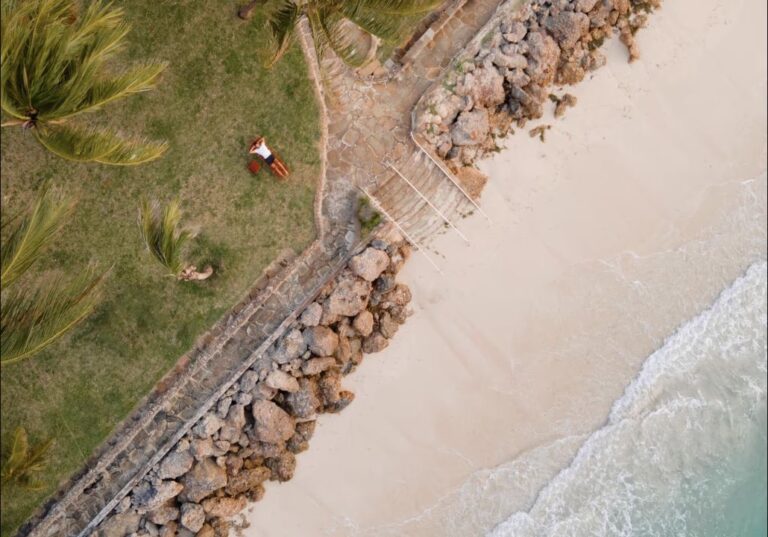
Beachfront properties can reduce disturbance by controlling lighting, furniture and vehicle movement. Guests should use marked paths and avoid turning a night walk into an improvised search for nests.
Lamu is a living town
Lamu Old Town is internationally recognised for its Swahili urban fabric and continuing cultural life. It is not an outdoor museum. Dress with awareness, especially away from resort beaches; ask before photographing people; step aside in narrow streets; and respect prayer times, private doorways and local festivals.
Historic coral-stone houses require maintenance and skilled craft. Staying in a well-managed heritage property and hiring knowledgeable local guides supports that living fabric more directly than a hurried photo stop.
Photography and consent
Ask before making a recognisable portrait. Consent is a conversation, not a distant gesture with the camera already raised. Photographing children requires particular care and permission. Do not offer sweets or money simply to create a scene.
With fishermen, dhow crews and craftspeople, let the guide establish whether photography is welcome. When someone gives time to explain their work, buy fairly or pay an agreed guiding fee rather than assuming the image is free.
Buying local without buying harm
Choose goods made from renewable or legally sourced materials. Avoid coral, turtle shell and unverified wildlife products. Quality baskets, textiles, woodwork, food and guiding services can keep more value in coastal communities when bought from the maker or a transparent cooperative.
Bargaining is part of some markets but should remain proportionate. The goal is a fair exchange, not the lowest imaginable price.
Respectful village and community visits
A good visit is hosted, limited in size and built around genuine exchange rather than a performance of poverty. It explains where the fee goes and allows residents to set the boundaries. Schools and medical facilities are not attractions; visits require explicit institutional permission and a clear purpose.
Water, energy and accommodation
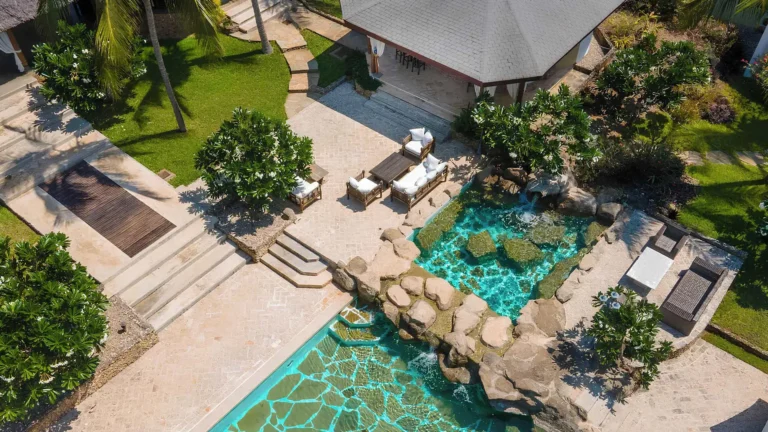
Fresh water can be constrained on islands and along the dry coast. Short showers, sensible laundry requests and reporting leaks matter. Air conditioning should not run with doors open. A private pool and daily linen change carry real resource costs even when hidden within a luxury rate.
We evaluate a property by operations as well as design: local employment, water practice, waste, sourcing, community relationships and honest communication.
How Wilderness Alternative plans responsibly
We choose the few experiences that fit the guest and place them at a realistic pace. We brief travellers before marine days, use established operators, avoid wildlife guarantees and keep room for weather decisions. We connect safari and coast without pretending the transfer has no footprint, and we prefer longer, more coherent stays over a chain of shallow stops.
Responsibility is not a perfect badge. It is a series of informed decisions, made with local people and revised when conditions change. Ask us what choices sit behind your itinerary; we will explain them plainly.