
Best time to visit the Maasai Mara
The honest answer depends on what you want to feel and see.
The Mara supports resident wildlife throughout the year. Rain changes the colour, grass height, road conditions, visibility, breeding behaviour and the number of other vehicles—but it does not switch the ecosystem on and off.

Seasonal planning at a glance
| Months | Landscape and wildlife | Trade-offs |
|---|---|---|
| January–March | Often warmer, drier and clearer, with resident predators and plains game. | Dust and heat can build; local rain remains possible. |
| April–May | Lush grass, dramatic skies, flowers and low visitor pressure. | Heavy rain can make some roads difficult; camp operations vary. |
| June | Cooling, drying landscapes and excellent light. | Migration timing is not assured. |
| July–October | The best-known migration window, generally drier with strong wildlife concentration. | Peak demand, higher fees and greater vehicle pressure. |
| November–December | Short rains may refresh the plains; newborn animals and rich colour can follow. | Conditions can change quickly and are not identical every year. |
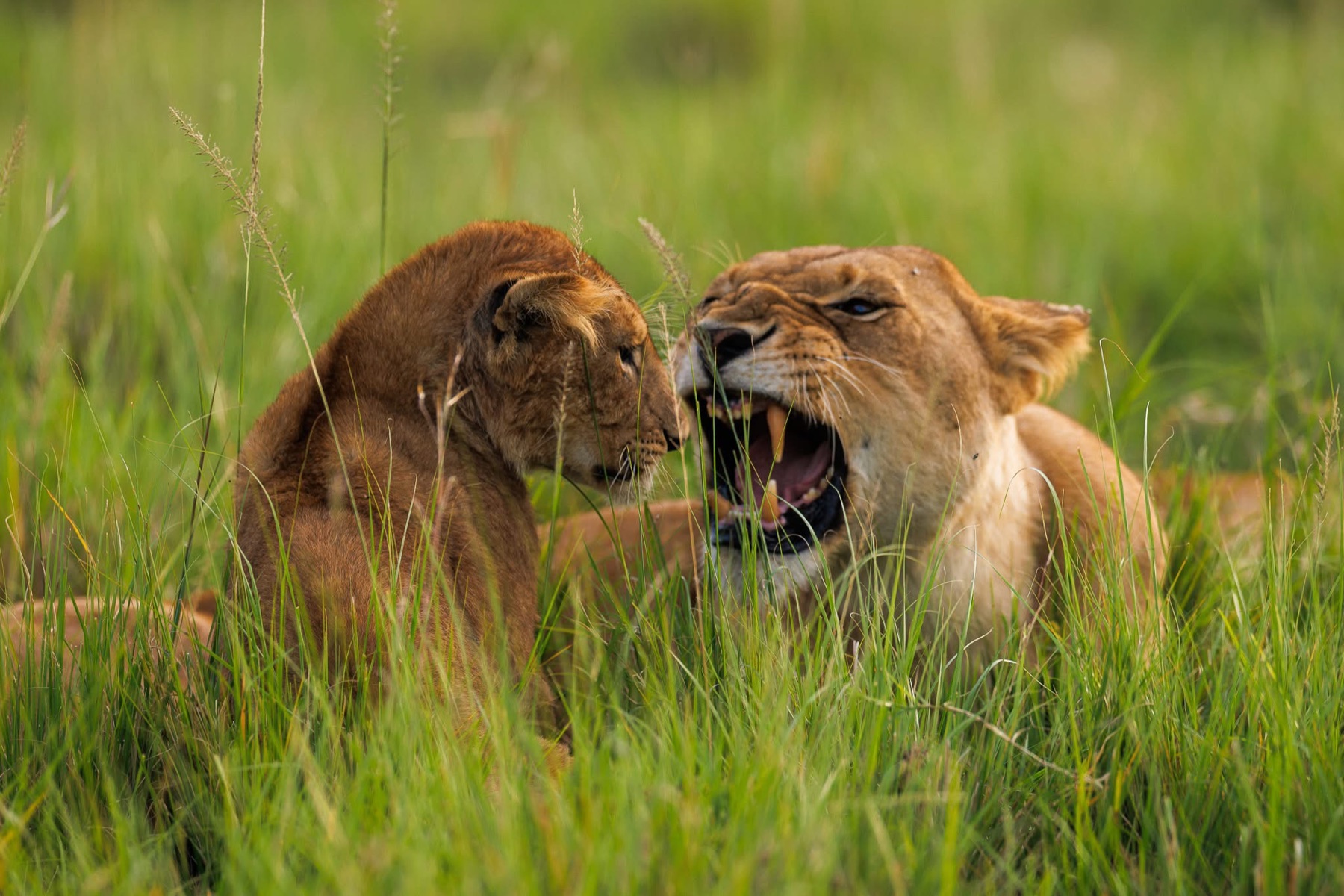
Green season
Colour, weather and quieter roads.
Photographers often value the green season for saturated colour, layered clouds, clean air and fewer vehicles. Grasses may be taller and locating animals can take more skill, but the resulting scenes are more contextual and less crowded.
Road access is the principal consideration. A well-sited camp, experienced driver and capable vehicle are important after sustained rain.
Dryer months
Open visibility and greater demand.
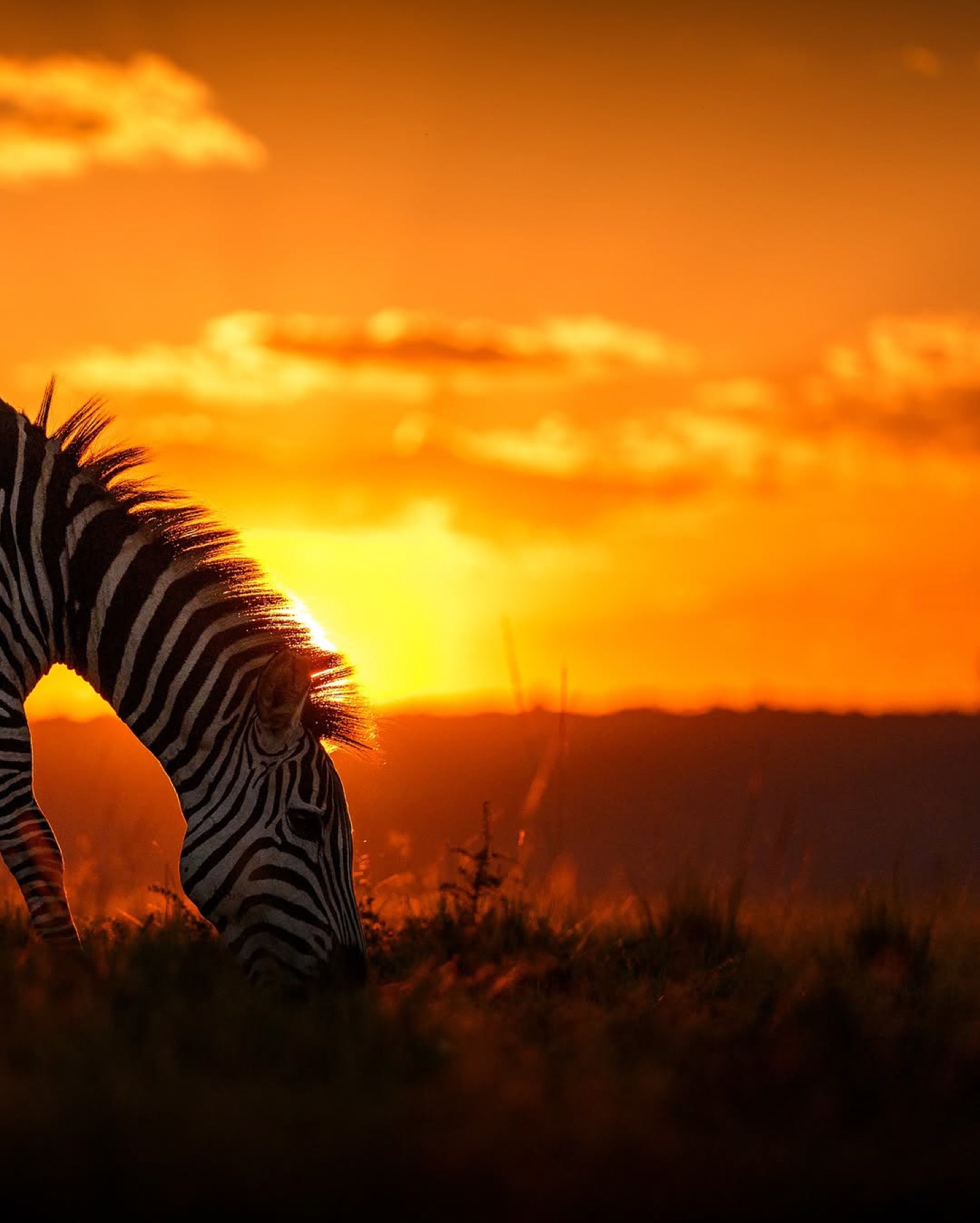
As grass dries and water becomes more localised, wildlife can be easier to observe. The middle months may also bring migrant herds into the Greater Mara. This is the most requested season, and accommodation, private vehicles and good guides should be arranged early.
Dry does not mean rain-free, and peak demand does not guarantee a better safari. Crowd management becomes part of good guiding.
Choose by interest
Migration
Usually target July to October, accept uncertainty and allow several nights.
Photography
Consider the green season for colour and low vehicle density, or dry months for open views and golden light.
Families
Match school dates with camp design, heat tolerance, transfer plan and flexible meal times.
Quiet safari
Travel outside the peak migration months and choose a conservancy or carefully sited camp.
Birding
Wetter periods can be particularly rich, with migrants and breeding activity varying by season.
Value
Rates often vary by season. We confirm current offers and fees rather than publishing unstable figures here.
Plan with a Kenyan safari team
Let the landscape decide the safari.
Tell us when you hope to travel, who is travelling and what matters most. We will recommend the right Mara area, camp style and pace—without forcing a standard package.