
Photography safaris in the Maasai Mara
Time, fieldcraft and restraint make stronger photographs.
A photography safari is not simply a normal game drive with a larger camera. It changes departure times, vehicle occupancy, positioning, how long you stay, what you ignore and how your guide reads animal behaviour.

Private vehicle
Space to work and freedom to wait.
Photographers benefit from low vehicle occupancy, clear sight-lines, beanbag support and the ability to reposition without negotiating a shared schedule. A private vehicle also lets non-photographing companions shape part of the day independently.
Not every vehicle has the same roof design, charging provision or seat removal. We confirm the actual setup, not just the label “photographic vehicle”.

Work with the day
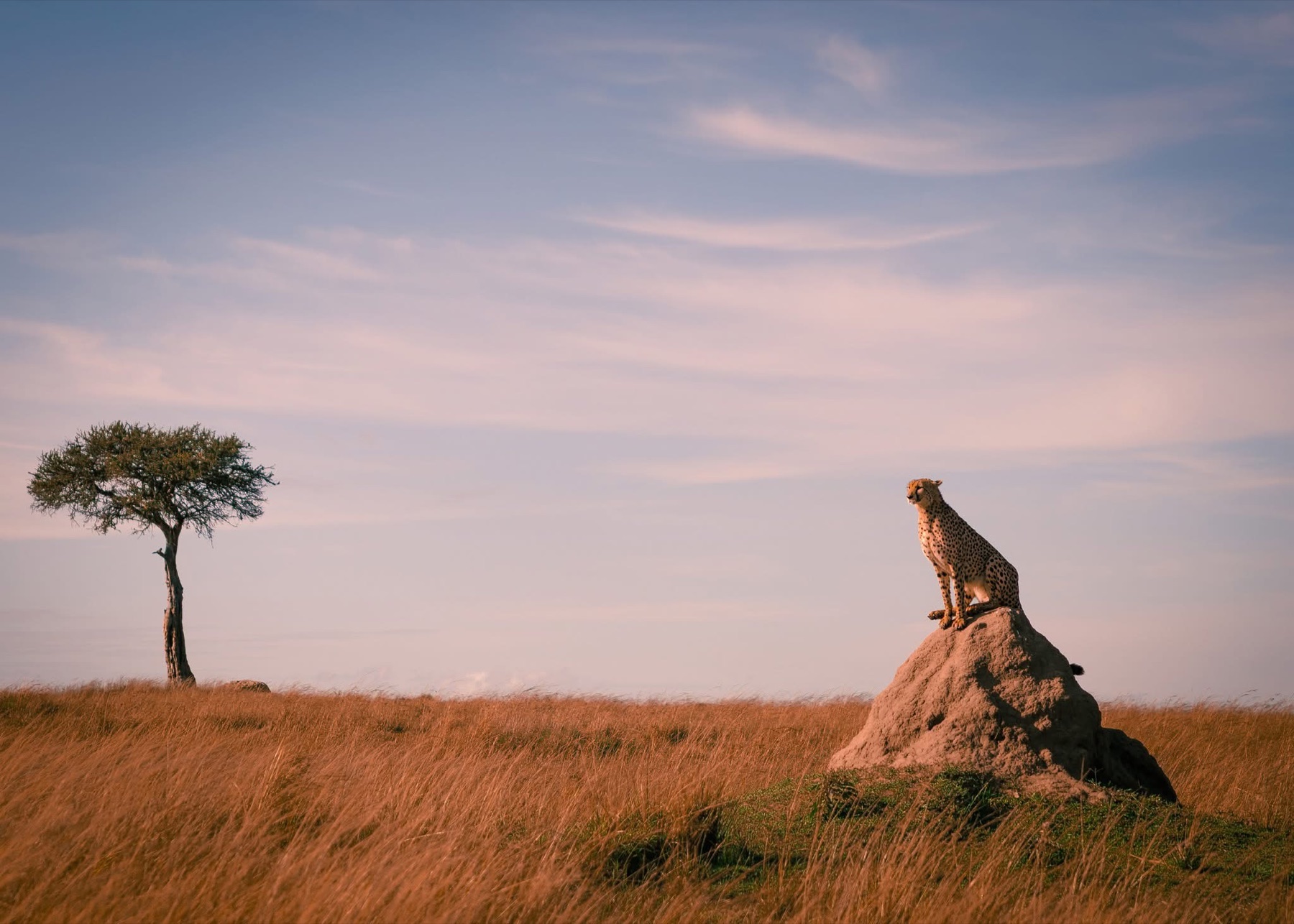
Early light
Leave before sunrise where rules allow. Cool air, long shadows and active predators can reward an unhurried start.

Evening light
Hold a clean silhouette or rim-lit subject instead of racing back through the final minutes.

Weather light
Storm edges, dust and cloud breaks create depth. Green season is often especially rewarding.

Behaviour before action
Anticipate; do not provoke.
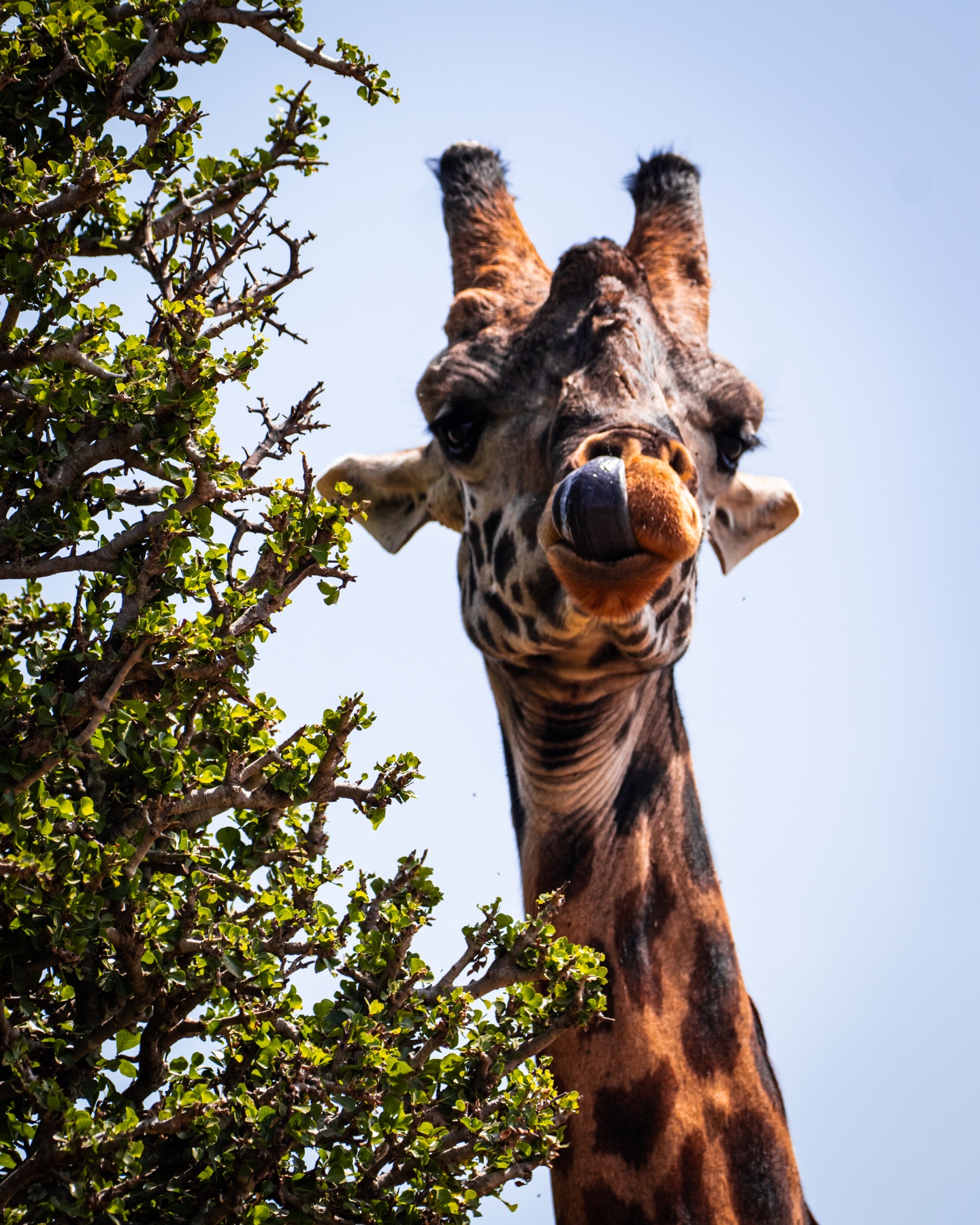
A guide who understands posture, alarm calls, wind and social behaviour can help a photographer prepare before the scene changes. This is very different from chasing or crowding an animal.
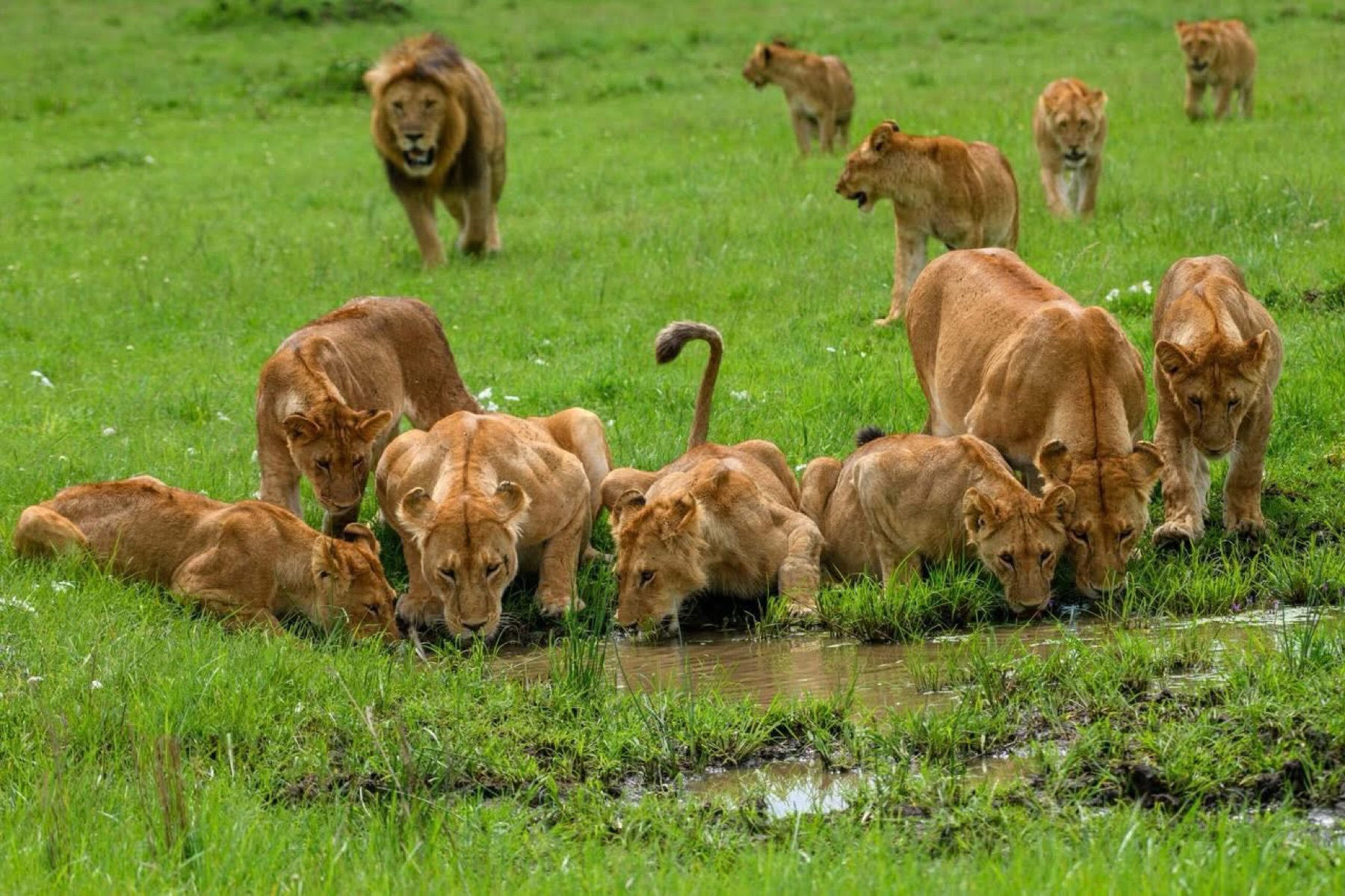
Sequences, habitat and relationships often tell a more complete story than a single tight portrait.
Photography ethics
- Never block hunting, escape, den or water access.
- Do not ask a guide to break off-road, distance or vehicle-number rules.
- Avoid flash on nocturnal wildlife unless the guide and local rules allow it responsibly.
- Photograph people only with clear permission and context.
- Do not publish exact den locations or sensitive wildlife information.

Practical camera planning
Lenses
A long zoom is versatile for wildlife; a second body with a wider lens helps with landscapes and avoids lens changes in dust.
Power and storage
Bring multiple batteries, redundant cards and a clear backup plan. Camp charging systems vary.
Dust and rain
Use simple covers, a blower and sealed storage. Weather protection matters in every season.
Beanbags
Confirm what the vehicle provides and whether airline luggage limits affect what you carry.
Drones
Do not assume drones are permitted. Protected-area, aviation and property rules require explicit advance confirmation.
Non-photographers
Build a pace that keeps the safari rewarding for everyone, or arrange separate vehicles for part of the stay.
Plan with a Kenyan safari team
Let the landscape decide the safari.
Tell us when you hope to travel, who is travelling and what matters most. We will recommend the right Mara area, camp style and pace—without forcing a standard package.