
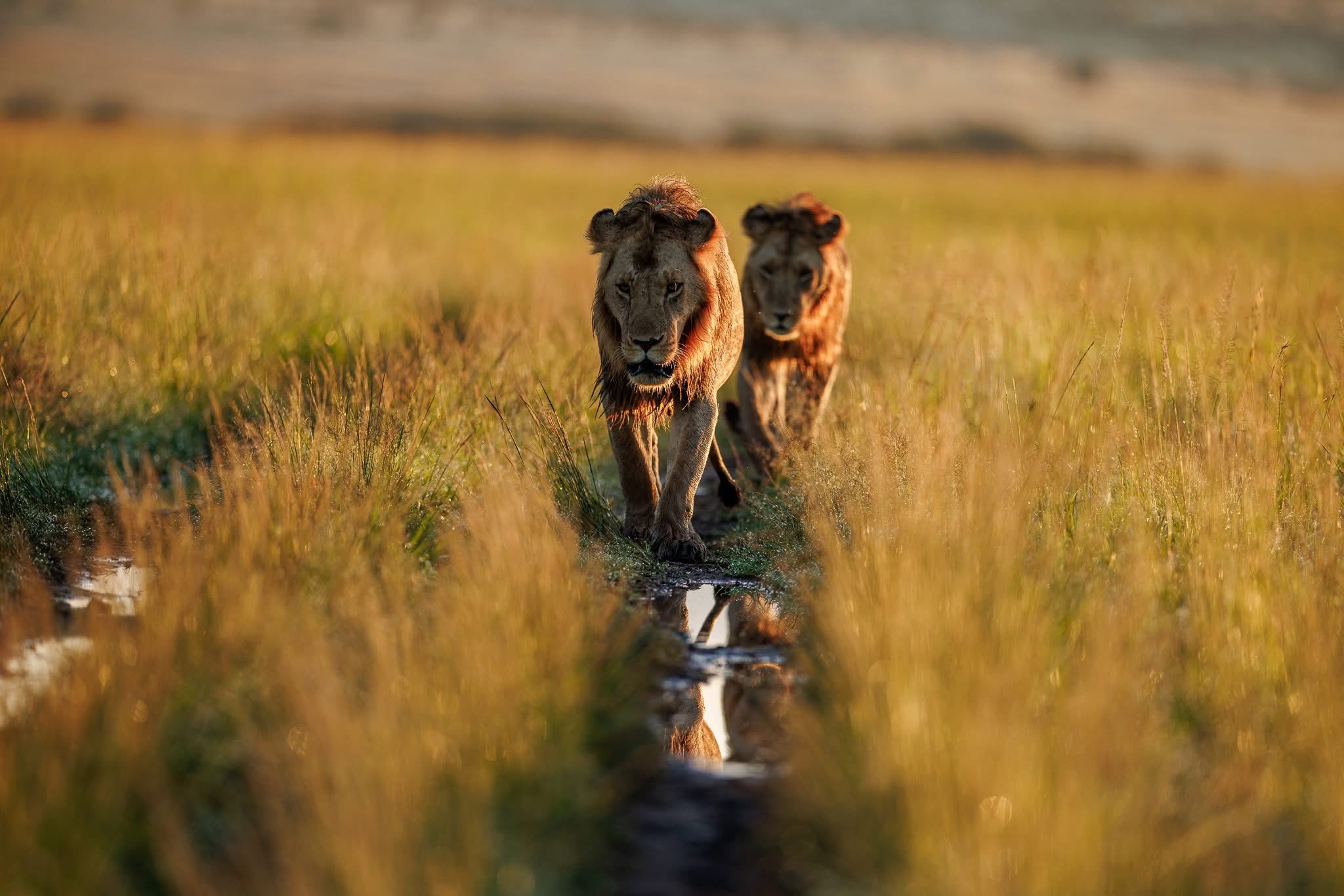
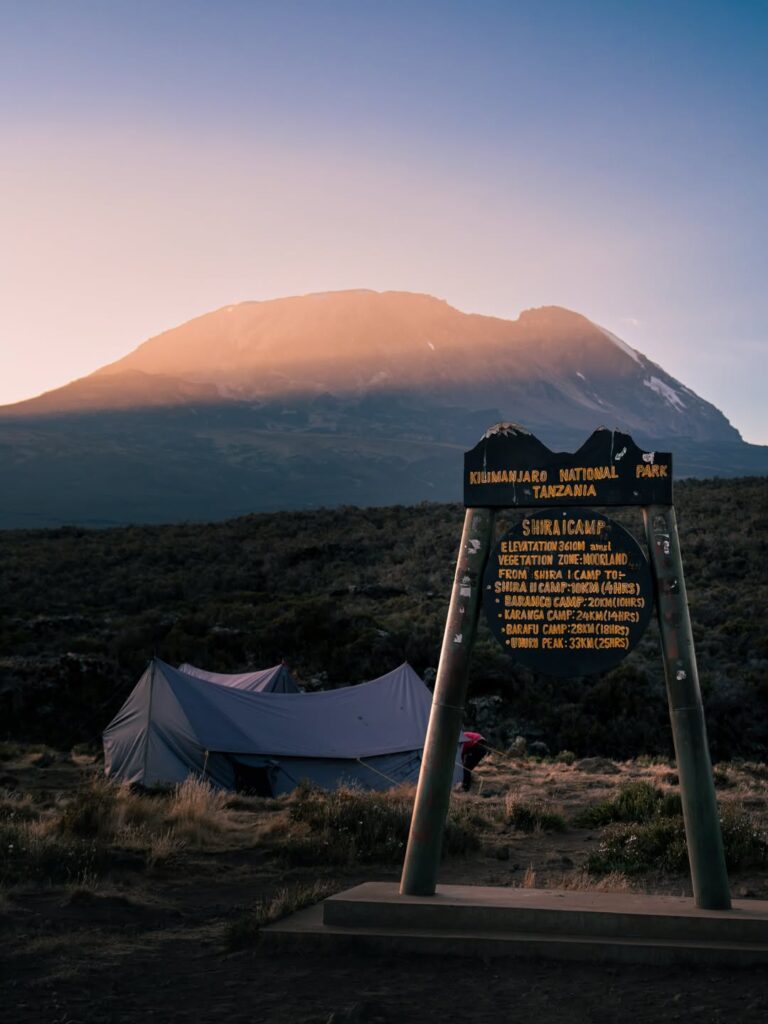

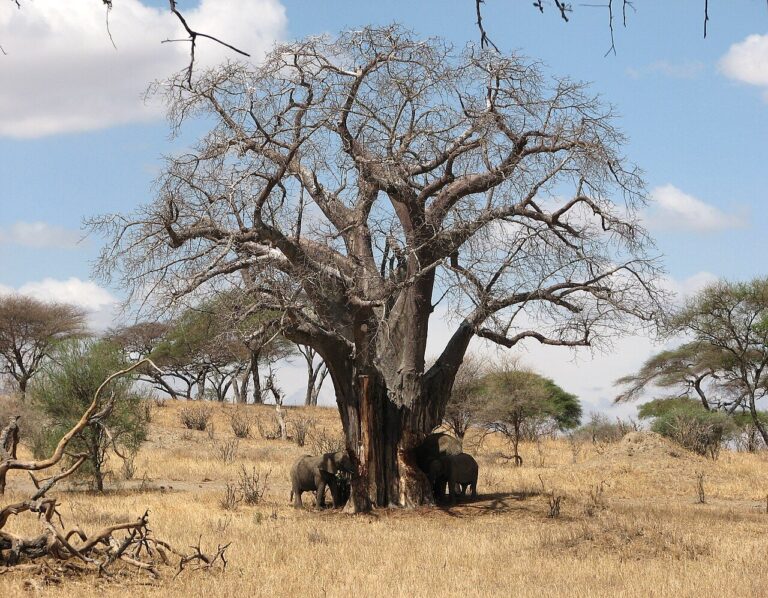

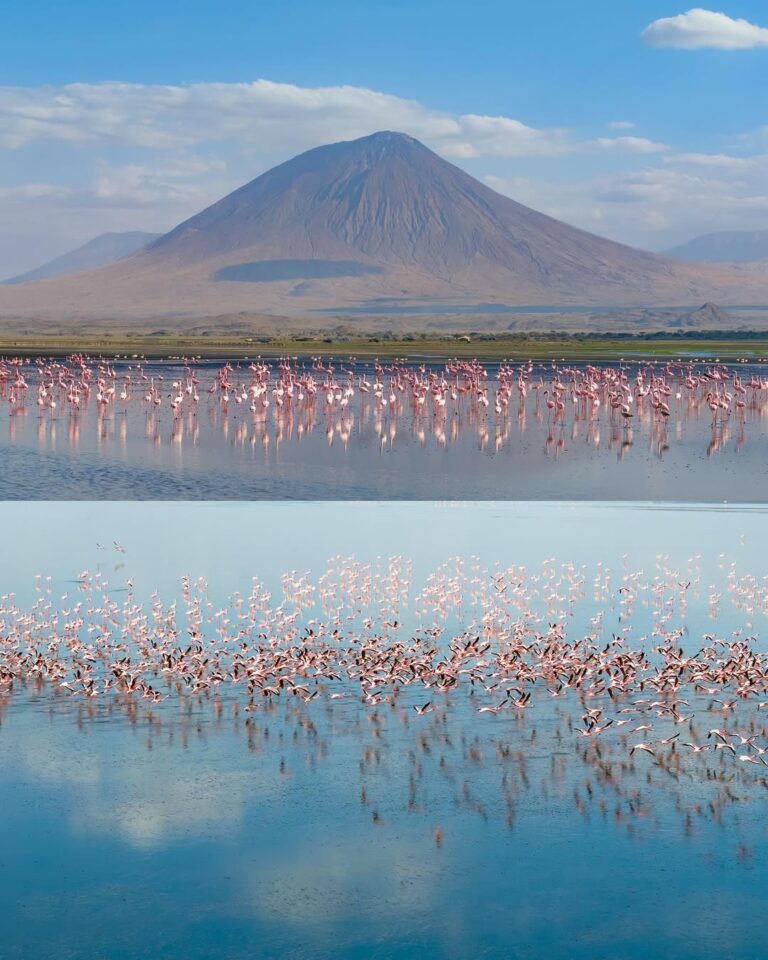

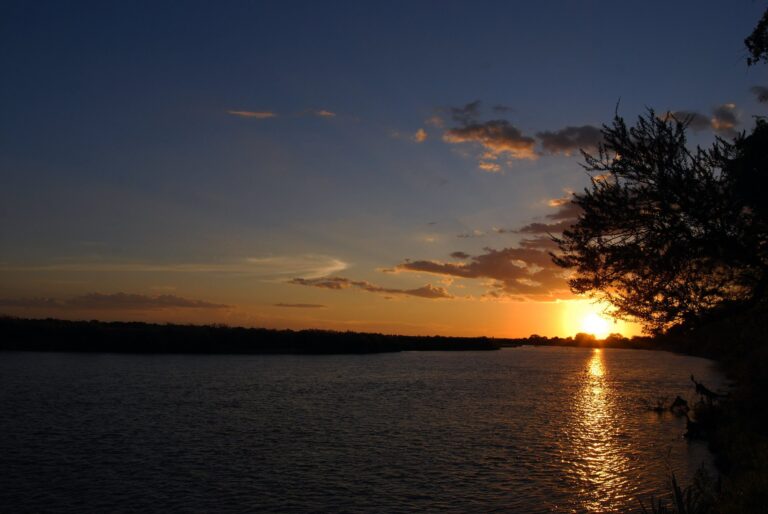
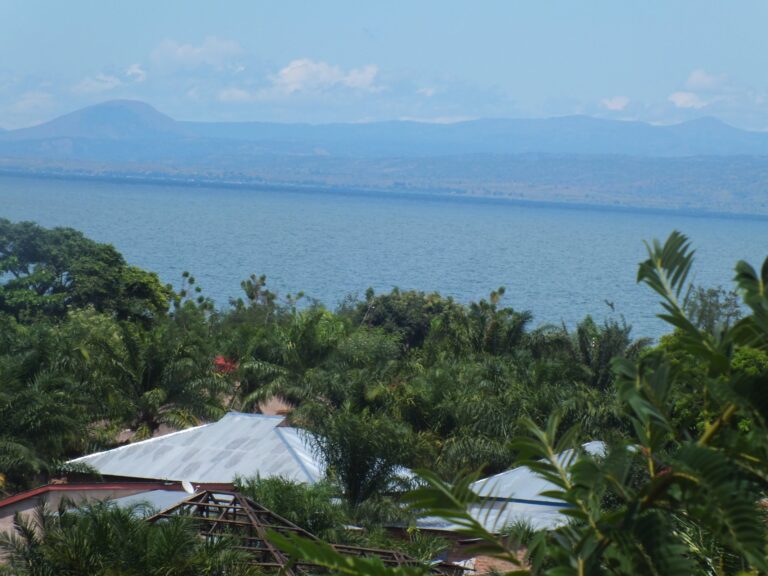
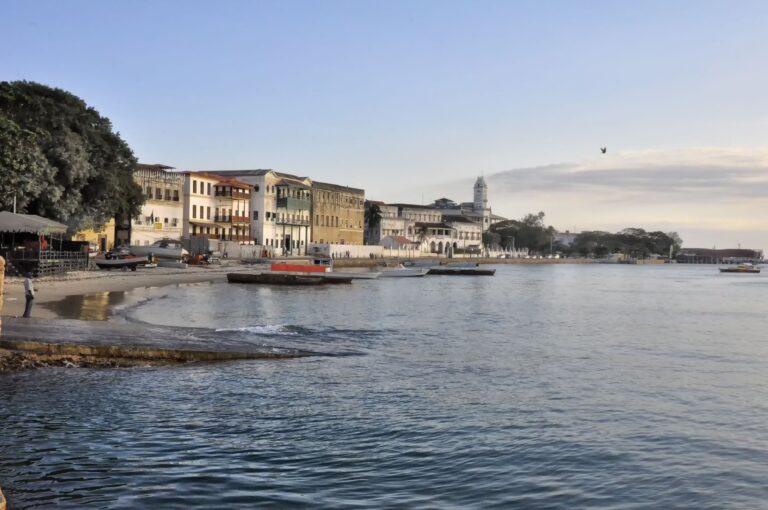
Tanzania is not a single safari circuit. It is a country of enormous changes in scale: the pale short-grass plains where wildebeest calves find their feet, forested crater walls, baobab country, warm Indian Ocean shallows and western lakes hemmed by mountains. A good journey does not try to collect all of it. It chooses the landscapes that belong together, then gives each one enough time.
We plan private journeys from our base in northern Tanzania with guides and partners who know the roads, airstrips, seasons and quiet corners behind the famous names. That local structure matters. It means we can judge when a long drive is worth the view, when a flight saves a day, and when the best decision is simply to stay where you are for another night.
Where Tanzania begins
For most first journeys, the north is the natural starting point. Arusha is the working gateway; beyond it, Tarangire, Lake Manyara, Ngorongoro and the Serengeti form a journey of remarkable contrasts. The map makes them look close. The experience is better when the itinerary respects real driving time and does not turn every day into a transfer.
The Serengeti is several different journeys
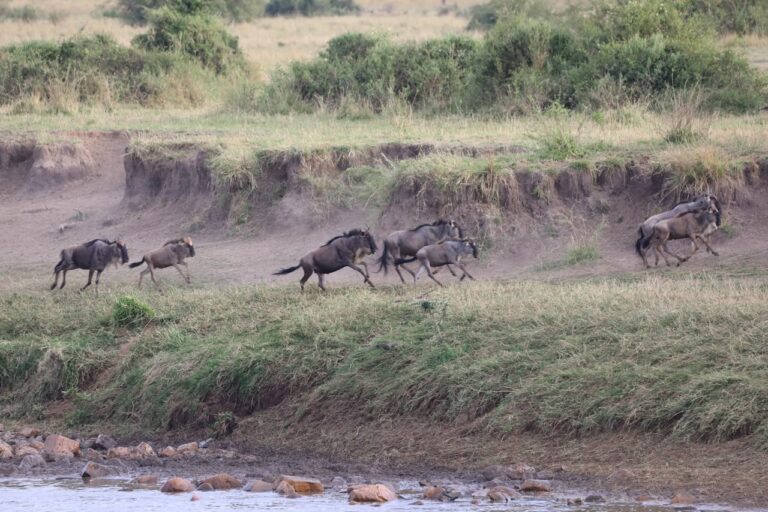
The word Serengeti is often used as though it described one landscape. It does not. Seronera is river country and resident-cat territory; the Western Corridor and Grumeti are darker, more wooded and threaded by a great river; the north around Kogatende and Lamai opens towards the Mara River; Ndutu and the southern plains are shaped by rain, volcanic soils and the calving season. The eastern plains around Namiri have their own sense of space and exceptional big-cat viewing.
Choosing the right part of the Serengeti matters more than choosing the most advertised lodge. We begin with the month, the wildlife and atmosphere you care about, and how much time you have. Only then do we select the camp.
Beyond the northern circuit
Southern Tanzania is for travellers who value wild scale and fewer vehicles. Ruaha has granite hills, sand rivers and an intriguing meeting of eastern and southern African wildlife. Nyerere adds boats, channels and a safari rhythm that is not confined to a vehicle.
Western Tanzania is more remote again. Katavi is about floodplains, hippo pools and the feeling of having travelled a long way from the familiar circuit. Mahale changes the mood completely: forested mountains drop into Lake Tanganyika and days move between chimpanzee tracking, boats and clear water.
Finish at the ocean, if the journey needs it
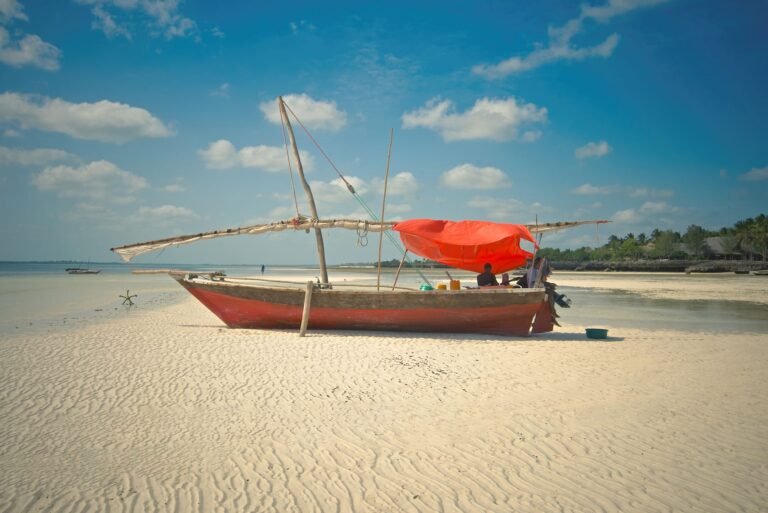
Zanzibar and the Tanzania coast can be more than a few nights beside a pool. Stone Town, working fishing villages, reefs, tidal flats and the quiet of the outer islands each offer a different ending. We match the beach to the traveller: lively or private, family-friendly or romantic, easy to reach or worth a longer transfer.
How we choose places to stay
Luxury is not a marble bathroom in the wrong part of the ecosystem. It is waking close to the landscape you travelled to see, having a guide who can read that landscape, enough space in the vehicle, food and service that restore you after a long day, and a team that responds well when plans change. Sometimes that means an intimate mobile camp. Sometimes it means a sophisticated lodge with a pool, spa and family rooms. We explain the trade-offs plainly.
We work with a carefully chosen range of independent camps and established safari names, including properties from &Beyond, Singita, Asilia, Nomad, Four Seasons, Auberge Safari and respected Tanzanian operators. No one brand is right for every route. The value of our job is knowing which property earns its place in a particular journey.
How long should a Tanzania safari be?
Seven nights can make a strong northern safari when the route is disciplined. Ten to fourteen nights allows the journey to breathe, makes a second Serengeti region possible and leaves room for the coast. Southern or western circuits need their own logic; trying to bolt them onto an already crowded northern itinerary usually adds cost without adding depth.
Seasonal advice should be honest. Rain does not follow a calendar precisely, and the Great Migration is a living movement, not a scheduled performance. We use current field information to refine a plan, but we never promise an exact river crossing or place wildlife under pressure for a sighting.
What changes from one Tanzania safari to another
The word safari covers very different days here. In the north, a private vehicle can leave Arusha and keep travelling with you through Tarangire, Manyara and Ngorongoro before the road opens onto the Serengeti. It is a satisfying overland story: baobab woodland gives way to the Rift Valley wall, cool crater highlands and finally the plains. In the south, the distances are better solved by light aircraft and the days are anchored around one camp at a time. In the west, logistics become part of the expedition—limited flight days, lake transfers and weather are the price of reaching Katavi and Mahale.
That difference matters more than a list of famous names. A first safari can be beautifully simple: two nights in Tarangire, two around Ngorongoro and four or five in the right part of the Serengeti. A repeat safari may be stronger with four nights in Ruaha and four in Nyerere, where the pace is slower and activities can move between vehicle, foot and water. Western Tanzania belongs to travellers who are happy to give an entire day to reaching somewhere extraordinary.
Choose by the kind of day you want
- For a first safari: northern Tanzania gives the broadest change of landscape with dependable road and air connections.
- For migration: choose the Serengeti region for the month, then protect the trip with resident wildlife rather than gambling everything on one river crossing.
- For quiet and fieldcraft: Ruaha rewards tracking, patience, birds and long observation more than a rapid Big Five checklist.
- For variety of activity: Nyerere can combine game drives with boat travel and, where the camp and rules allow, guided walking.
- For primates and remoteness: Mahale brings forest trekking and Lake Tanganyika together; Katavi adds a completely different dry-season savannah.
- For safari and sea: Zanzibar works best when the coast, tides and atmosphere are chosen as carefully as the safari camp.
Tanzania through the year
Rainfall is regional and never completely obedient to a calendar, but the broad pattern is useful. January and February are hot, green months and important on the short-grass plains around Ndutu, where wildebeest gather to calve. March often begins well before the long rains become more established. April and May can bring heavy showers, difficult tracks and camp closures, yet also dramatic skies, low visitor numbers and beautiful photography where operations remain open.
June is a month we like: the country is drying, the air is often clear and many camps have reopened before the busiest weeks. July through October is the main dry season. Water becomes increasingly important in Tarangire, Ruaha and Katavi; the northern Serengeti becomes the migration focus; mornings can be cold and late-season afternoons hot and dusty. November’s short rains are usually more broken than the long rains, refreshing the plains and changing animal movement. December brings festive demand and the beginning of the herds’ return toward the south, but exact timing depends on rain.
Zanzibar has its own coastal rhythm. June to October is generally drier and cooler, while January and February are hotter. The southeast trade winds matter to divers and beach travellers, and the east-coast tide can move hundreds of metres from the hotel. We match the island to the safari dates rather than treating the beach as weather-proof.
How much movement is too much?
A map makes Tanzania look easier than it feels from a vehicle. Ngorongoro to the central Serengeti is not merely a transfer: gate formalities, dust, wildlife stops and road conditions shape the day. A short flight can save hours, but safari flights use small aircraft, soft-bag limits and shared routes that may stop at several airstrips. Neither flying nor driving is always the superior choice.
Our rule is that a camp should earn the interruption of moving there. Two-night stays are sometimes necessary, but repeated two-night stops turn a safari into packing, airstrips and briefings. Three nights gives two full field days. Four nights lets a guide respond to weather, a distant sighting or a slow morning without the journey feeling lost. In the Serengeti, two well-chosen regions are usually better than three hurried ones.
Three useful journey shapes
Nine or ten nights: a focused northern safari
Arrive and rest in Arusha, then drive through Tarangire and Ngorongoro before spending four or five nights in one or two Serengeti regions. Fly back from the final airstrip. This is long enough to feel the landscape change without turning every day into a transfer.
Twelve to fourteen nights: north with the Indian Ocean
Build the safari first, then fly to Zanzibar for Stone Town and one carefully chosen coast. Two nights in Stone Town and four or five at the beach gives both cultural context and genuine rest. Travellers who only want the sea can skip town; those interested in Swahili history should not.
Twelve to sixteen nights: the south or west in depth
Combine Nyerere and Ruaha by light aircraft, or make Katavi and Mahale the centre of the whole journey. These routes suit travellers who value solitude and complexity. They are poor choices for anyone trying to force the Serengeti, Zanzibar and several remote parks into the same fortnight.
What determines the price
The largest differences are not created by park fees alone. Season, exclusive vehicle use, internal flights, camp position and room type change the total quickly. A migration camp beside the right river in August carries a different cost from a permanent lodge in central Serengeti in November. A private vehicle costs more but can be worth it for photographers, families and travellers who dislike having each sighting decided by a group.
Good value does not mean placing every night outside a park gate. Sometimes an inside position buys the most important thing: time. In other places, a lodge outside the boundary gives better rooms, walking or a calmer setting without compromising the field day. We explain that trade-off before recommending a property.
The questions we ask before designing Tanzania
We want to know what you would be disappointed to miss, but also what kind of traveller you are. Do you enjoy early starts? Would you rather watch one leopard for an hour than find five more species? Are you comfortable in a tent at night? Does anyone need a swimming pool, adjoining rooms or minimal steps? How much flying feels acceptable? Those answers produce a better safari than a fashionable lodge list.
We also check what changes quietly behind the brochure: which airstrip a camp is using, whether a mobile camp has moved, current road access, the age policy for walking, baggage limits, seasonal closure and whether the quoted vehicle is shared or private. Tanzania converts well when the dream and the mechanics agree.