
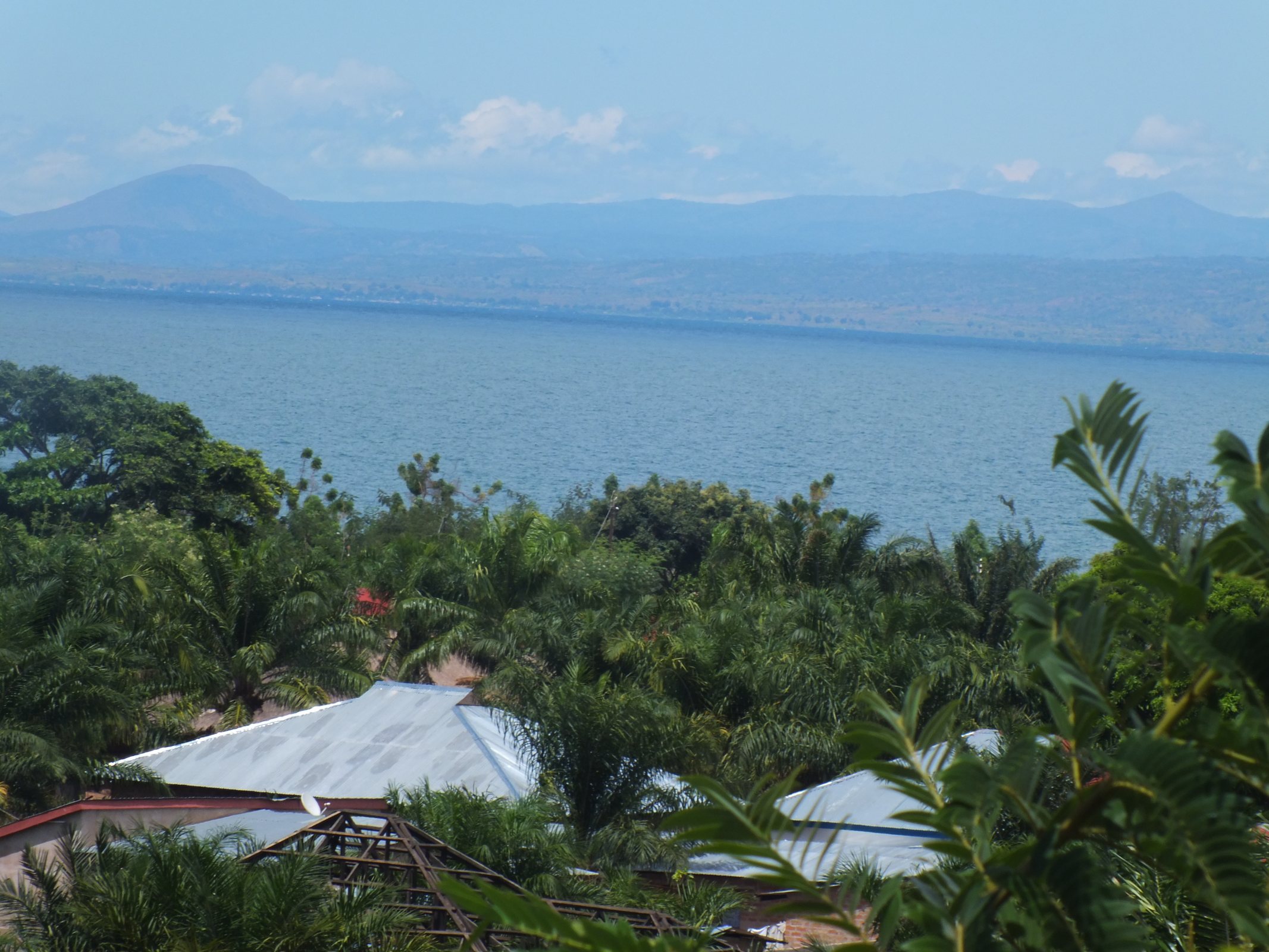
Western Tanzania is not a shortcut to solitude. It is a deliberate journey into a region where flights are limited, weather can reshape a day and each base deserves time. The reward is an unusual contrast: Katavi’s broad floodplains and dry-season pools followed by the forested escarpment and clear water of Mahale and Lake Tanganyika.
Gombe belongs in the same conversation but not automatically in the same itinerary. It is smaller, historically inseparable from long-term chimpanzee research and normally reached through Kigoma by boat. Mahale is more remote and combines longer forest trails with a beach-and-lake setting. The choice is about the complete experience, not which name is more famous.
Katavi and Mahale
Katavi’s character becomes clearest as the dry season advances. Wildlife gathers around remaining water in the Katuma system and across the park’s floodplains. The landscape can be intensely productive but also vast, hot and dusty. A four-night stay allows time to understand more than one area.
Mahale is reached through a different medium. Boats move along Lake Tanganyika beneath steep forested mountains. Chimpanzee trekking follows habituated groups, but the forest decides the distance and duration. Some days the animals are close; on others the walk is longer, hotter or steeper. The lake then becomes part of recovery and pleasure rather than a decorative backdrop.
Where Gombe fits
Gombe National Park is compact and closely associated with Jane Goodall’s research. Access is normally by boat from Kigoma. It can suit travellers whose priority is research history and a focused chimpanzee experience, or those already routing through Kigoma. It is not always efficient to add Gombe to Katavi and Mahale in one short journey, and it should never be treated as a quick side trip without confirming boats, permits and accommodation.
Flights, boats and margin
Western flight patterns may operate only on particular days and can include multiple stops. Charter options change the cost substantially. Soft luggage and low weight limits are normal. Mahale and Gombe add boat transfers, which depend on lake conditions and the chosen lodge. We build a margin around international connections rather than assuming the remote sector will behave like a city shuttle.
Chimpanzee trekking
Trekking is governed by park rules, permits and guide instructions. Age restrictions, health requirements, group size, viewing time and mask rules must be checked for the travel date. Guests should be prepared for humidity, steep or slippery ground, insects and a pace set by the forest. Anyone unwell should not trek near chimpanzees.
Who western Tanzania suits
This region suits travellers who place depth above certainty: repeat safari visitors, primate specialists, photographers willing to carry less and anyone drawn to a journey whose transitions are part of the experience. It is less suitable for a first eight-night Tanzania trip or for guests who cannot tolerate schedule changes.
Western Tanzania is for travellers who accept the journey
The west is not an add-on to a standard circuit. Katavi and Mahale sit far from the main safari routes, rely on limited light-aircraft schedules and work best when the traveller gives them enough nights. What they offer is difficult to reproduce elsewhere: immense floodplains with very few vehicles, then forested mountains falling into the clear water of Lake Tanganyika.
Katavi: scale and raw dry-season drama
Katavi is about open country, seasonal rivers and the slow concentration of animals as surface water contracts. Hippo, crocodile, buffalo, elephant and predators are part of the draw. It can feel uncompromising—hot, dusty and remote—and that is exactly why the right traveller remembers it.
Mahale: forest, chimpanzees and the lake
Mahale changes every sense. Guests travel by boat, walk into forest with trackers and return to a beach beneath the mountains. Chimpanzee trekking is the centrepiece but not a guaranteed performance; their range, weather and terrain determine each day.
Flights decide the shape
Scheduled services may operate only on selected days and can include several stops. The timetable often decides whether Katavi comes before Mahale and how the journey connects to Arusha, Dar es Salaam or the coast. We design around the real service first, then choose camps—not the other way round.
How long is enough?
- Katavi: four nights is a sound minimum.
- Mahale: four nights gives more than one opportunity to trek and time for the lake.
- Both: eight to ten nights in the west, plus connection nights where required.
Season and camp availability
The drier months generally give firmer access in Katavi and clearer concentrations around remaining water. Mahale’s chimp movements and lake conditions vary, and some camps close during heavy rains. We verify the exact operation dates and do not advertise a year-round route when the network is seasonal.
Who should travel west?
Repeat safari travellers, keen naturalists, photographers and active guests usually get the most from it. Anyone on a very tight first trip, uncomfortable with small aircraft or expecting an effortless luxury circuit may be happier elsewhere. Western Tanzania is special because it asks more and gives more—not because it is the quickest way to collect another destination.

