Ngorongoro is a lived volcanic highland and conservation landscape, not only a crater floor. The conservation area connects forested escarpments, Maasai pastoral land, calderas and the short-grass plains that continue towards Ndutu and Serengeti.
This destination belongs in a Tanzania journey only when its own landscape is given time. The correct camp, entry route and season matter more than adding another famous name to the itinerary.
The landscape
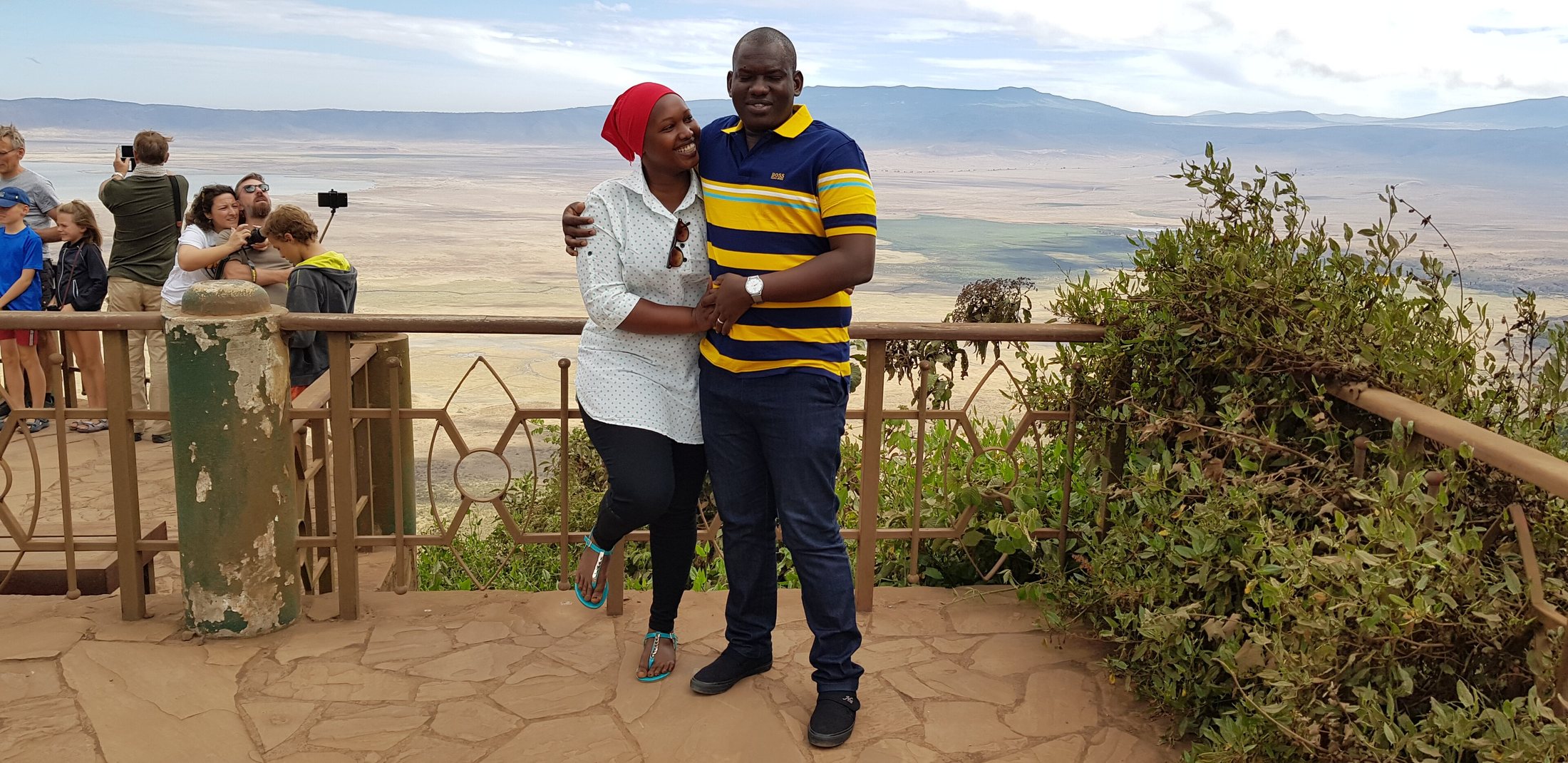
Key environments include the descent into Ngorongoro Crater, highland forest, Lerai woodland, lakes and open floor habitats, plus the wider relationship with people and livestock. Their relationship explains where wildlife, people and water are found. Rain changes access, colour and distribution, so a recent field picture is more useful than a fixed brochure description.
Wildlife and ecology
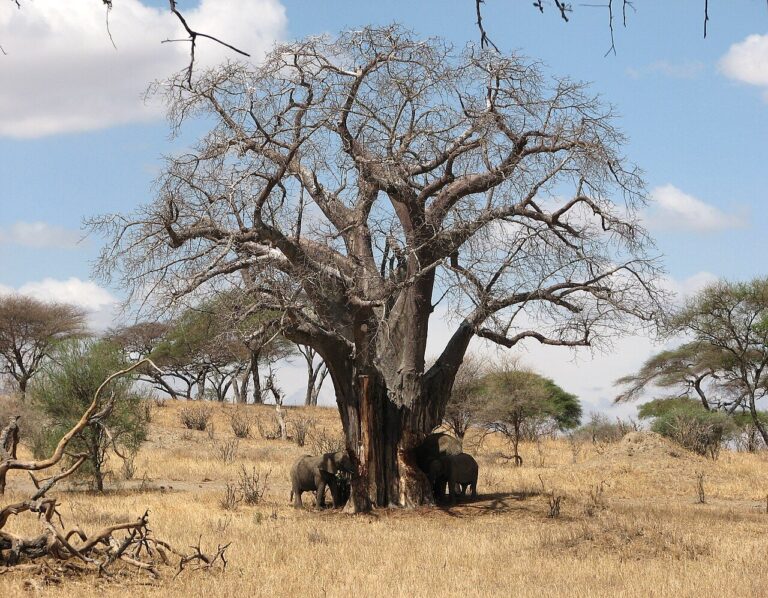
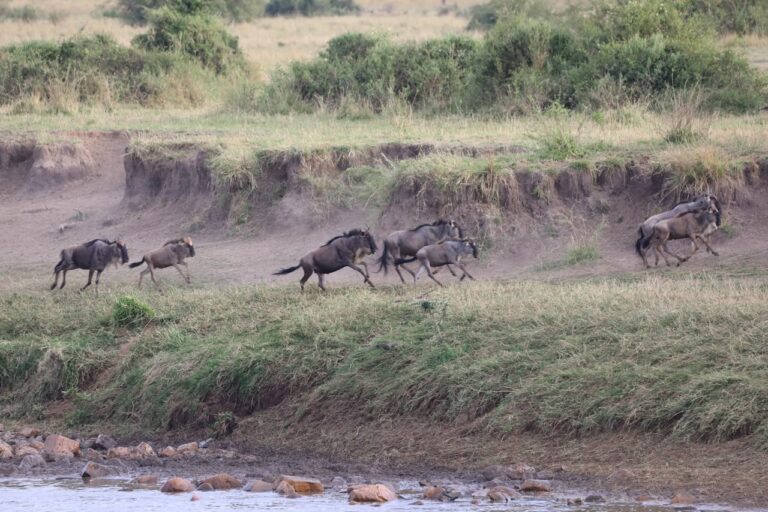
Expect possibilities including large mammals concentrated within the caldera, including lion, buffalo, elephant and seasonal flamingos; black rhino may be seen but never guaranteed. Sightings remain uncertain. A guide should interpret tracks, vegetation, water and behaviour rather than reduce the day to a checklist.
Birdlife rewards attention in every season. Resident species use forest, grassland, wetland or arid habitat, while migrants add seasonal change. A field guide and binoculars often reveal more ecological difference than another rapid vehicle transfer.
How long to stay
Plan 2–3 nights across the highlands and crater area. The main crater descent is busiest after breakfast. An early authorised descent, patient work away from vehicle clusters and time in the wider highlands produce a more complete visit.
One-night stops are not automatically wrong, but they often compress arrival, one drive and departure into the same light. Stay long enough to use both early and late field hours and to absorb weather or road change.
Where to stay
Choose accommodation by access and field position. A property outside a protected area may offer views or community access while adding gate time. A camp deeper inside can protect dawn hours but may be simpler. Ask about private vehicles, meal flexibility, charging, water, medical communication and current road access.
Getting there
Most northern-circuit journeys begin from Arusha or Moshi by road. Distances on a map do not show gate formalities, surface, livestock, wildlife or escarpment travel. Regional flights can support longer combinations, but the final ground transfer remains part of the itinerary.
Season
Dry months can concentrate wildlife and expose dust, while rain greens the landscape, disperses animals and may make some roads difficult. The best time depends on the experience sought. Current park tariffs and access rules should be confirmed for actual dates rather than fixed permanently on this page.
Photography
Prioritise highland rim, caldera scale, Lerai woodland, Maasai landscape photographed with consent and wildlife with the crater walls visible. Use mid-range and wide lenses to keep habitat visible. Long lenses preserve distance and isolate behaviour. Early and late light can be excellent, but weather and topography decide where light reaches.
Responsible travel
Follow current road, walking and park rules. Do not block water, pressure wildlife or ask a guide to leave authorised access. Seek consent for identifiable portraits and record names and context. Litter, noise and vehicle position are part of field ethics, not cosmetic details.
Combining Ngorongoro Conservation Area
The northern circuit works when each transfer changes landscape. Kilimanjaro usually comes first if climbing. Arusha or Moshi provides the operational transition. Ngorongoro is the road bridge into Serengeti, while Tarangire and Manyara can form a shorter circuit. Natron is a specialist northern extension rather than a compulsory link.
Guide strategy
A field day begins with habitat, not a species order. Temperature, wind, water and shade determine where effort should go. The guide combines current information with tracks, calls and previous movement, then decides when to wait. Radio reports can help, but chasing every message creates convoys and loses the quieter story of the place.
Families and first safaris
Shorter drive blocks, private timing and a camp with space between activities can make this destination work well for families. Children need clear vehicle rules and honest expectations about waiting. The guide should be able to shift between large mammals, birds, geology and tracks without turning the safari into a lecture.
Practical field notes
Carry sun protection, a warm dawn layer, water and dust protection for cameras. Confirm soft-luggage limits for any regional flight. Travellers should obtain current health and entry advice for their own circumstances and carry insurance suited to the activities.
Plan Ngorongoro Conservation Area
Tell us the month, available nights, wildlife and photography priorities, and whether the journey includes Kilimanjaro or Serengeti. Wilderness Alternative will decide camp and transport around the landscape rather than force this destination into a generic circuit.
Where to stay around Ngorongoro
A crater-rim lodge shortens the morning approach and can give remarkable views, but the rim is cold, expensive and often busy. Karatu offers gardens, farms, a wider price range and easier access towards Lake Manyara and Tarangire, at the cost of a longer drive to the crater descent. Ndutu is a separate southern plains decision, especially from December to March.
Ngorongoro Serena Safari Lodge is built into the crater rim and works when early access and views matter enough to justify the position. Ndutu Safari Lodge belongs to a different Ngorongoro story: short-grass plains, predators and seasonal movement on the edge of the Serengeti ecosystem.
The right stay is chosen with the next day in mind. We consider crater descent time, road direction, altitude, room warmth, family layout and whether the itinerary continues to central Serengeti, the southern plains or Arusha.
Understanding Ngorongoro before you book
Ngorongoro is often sold as a single crater drive. In reality, the crater is only one part of a much larger conservation landscape: volcanic highlands, Maasai grazing country, forested slopes and the long road that links the northern circuit to the Serengeti. The right plan depends on whether your priority is an intensive wildlife morning, a slower highland stay or a journey that uses the crater as the bridge between two very different regions.
What a crater day actually feels like
Most visits begin early. Vehicles descend from the rim when the access roads open, then work across the crater floor between grassland, marsh, woodland and the soda lake. The enclosed geography can produce a remarkable concentration of wildlife, but it also concentrates vehicles. A good guide does not simply race from radio call to radio call. We look at light, animal movement and traffic, then decide when to stay with a quiet sighting and when to move on.
The crater is not a private reserve and no species is guaranteed. Black rhino are present but often distant. Lions, hyena, buffalo, zebra, wildebeest and many plains animals are more commonly encountered, while giraffe are generally seen on the surrounding highlands rather than the crater floor. Picnic areas are shared, and the descent and ascent roads make timing important.
Rim lodge or Karatu?
Staying on the rim
A rim address gives atmosphere and a shorter start to the descent gate. It can be cold, misty and expensive, but waking above the caldera is part of the experience. This suits travellers who value place and want the most direct crater morning.
Staying near Karatu or the highlands
Karatu and the coffee-country slopes usually offer more choice, gardens and easier value. The trade-off is a longer drive to the gate. They work well when the itinerary also includes Lake Manyara, a village or farm visit, or a relaxed day between safari sectors.
One night or two?
One night can work when Ngorongoro is a carefully placed transition between Tarangire and the Serengeti. Two nights are better when you want a full crater day without packing immediately afterwards, or when the highlands themselves matter. Longer stays can include Oldupai, Empakaai or other highland experiences, but road conditions, permissions and the group’s fitness must be considered rather than added as afterthoughts.
Who Ngorongoro suits
- First-time safari travellers: an unusually rich introduction to East African wildlife and landscape.
- Families: a strong wildlife day with less searching than some larger parks, balanced against a long vehicle day.
- Photographers: good habitat variety, but shared sightings and distance can limit control.
- Repeat visitors: pair the crater with quieter highland time instead of treating it as a checklist stop.
How we build it into a Tanzania journey
We usually place Ngorongoro between the northern parks and the Serengeti, then choose the overnight position around the next day’s real movement. That avoids the common mistake of selling a beautiful lodge that creates an unnecessary dawn transfer. Tell us whether scenery, wildlife density, privacy, photography or pace matters most; the answer changes both the lodge and the length of stay.