Tarangire is a river, baobab and dry-country system south-west of Arusha. In the dry season, water and grazing can draw large wildlife concentrations into the park, while the wet season spreads animals into a greener wider landscape.
This destination belongs in a Tanzania journey only when its own landscape is given time. The correct camp, entry route and season matter more than adding another famous name to the itinerary.
The landscape
Key environments include the Tarangire River, baobab country, Silale and other swamp systems, woodland and seasonal plains. Their relationship explains where wildlife, people and water are found. Rain changes access, colour and distribution, so a recent field picture is more useful than a fixed brochure description.
Wildlife and ecology
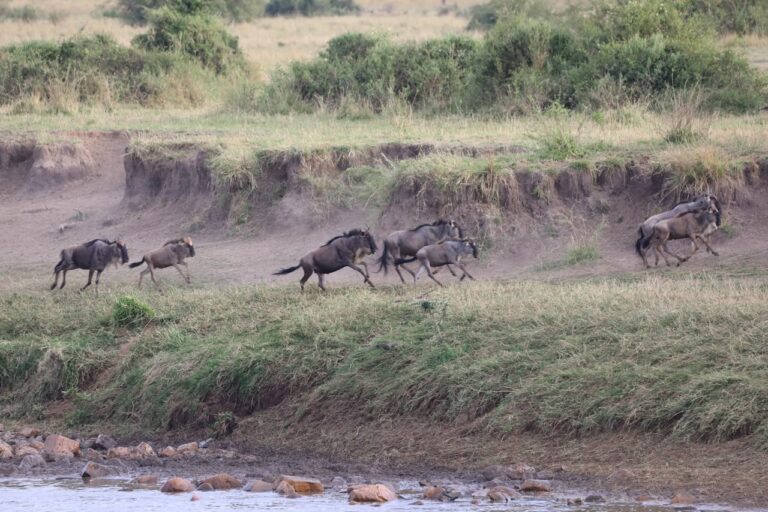
Expect possibilities including elephant, giraffe, buffalo, antelope, lion, leopard, abundant birds and dry-season congregations around water. Sightings remain uncertain. A guide should interpret tracks, vegetation, water and behaviour rather than reduce the day to a checklist.
Birdlife rewards attention in every season. Resident species use forest, grassland, wetland or arid habitat, while migrants add seasonal change. A field guide and binoculars often reveal more ecological difference than another rapid vehicle transfer.
How long to stay
Plan 2–4 nights. Do not treat Tarangire as a one-night prelude. Its long north–south geography rewards a camp placed for the intended season, unhurried drives and time away from the busiest northern entrance.
One-night stops are not automatically wrong, but they often compress arrival, one drive and departure into the same light. Stay long enough to use both early and late field hours and to absorb weather or road change.
Where to stay
Choose accommodation by access and field position. A property outside a protected area may offer views or community access while adding gate time. A camp deeper inside can protect dawn hours but may be simpler. Ask about private vehicles, meal flexibility, charging, water, medical communication and current road access.
Getting there
Most northern-circuit journeys begin from Arusha or Moshi by road. Distances on a map do not show gate formalities, surface, livestock, wildlife or escarpment travel. Regional flights can support longer combinations, but the final ground transfer remains part of the itinerary.
Season
Dry months can concentrate wildlife and expose dust, while rain greens the landscape, disperses animals and may make some roads difficult. The best time depends on the experience sought. Current park tariffs and access rules should be confirmed for actual dates rather than fixed permanently on this page.
Photography
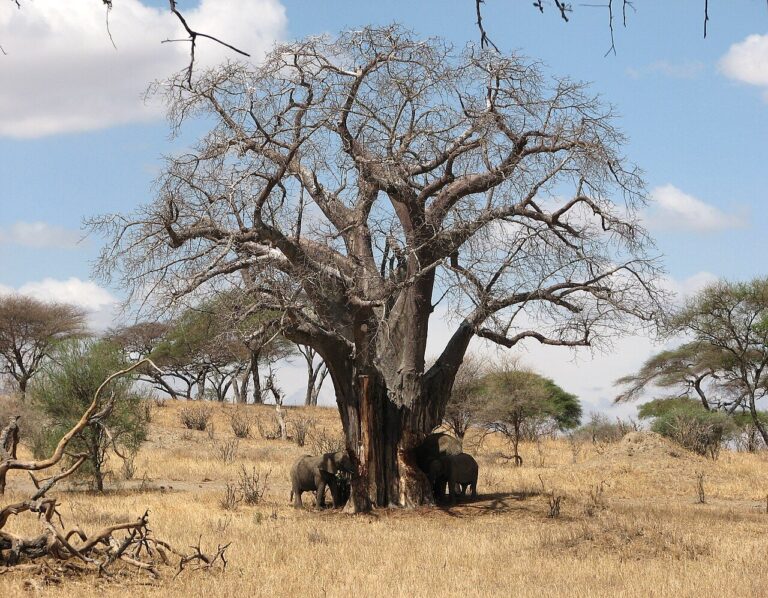
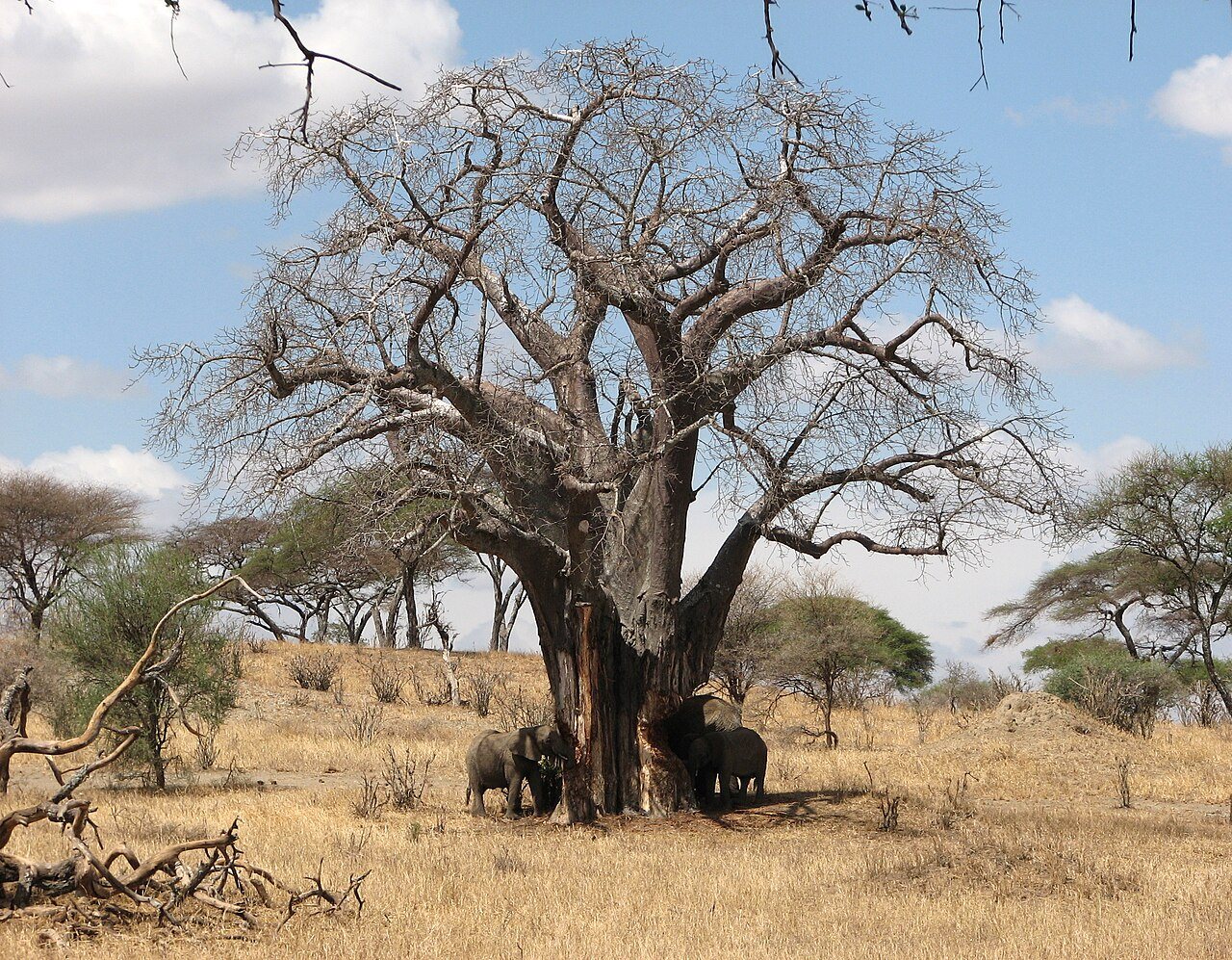
Prioritise elephants beneath baobabs, river bends, swamp light, dust and wide woodland rather than only close portraits. Use mid-range and wide lenses to keep habitat visible. Long lenses preserve distance and isolate behaviour. Early and late light can be excellent, but weather and topography decide where light reaches.
Responsible travel
Follow current road, walking and park rules. Do not block water, pressure wildlife or ask a guide to leave authorised access. Seek consent for identifiable portraits and record names and context. Litter, noise and vehicle position are part of field ethics, not cosmetic details.
Combining Tarangire National Park
The northern circuit works when each transfer changes landscape. Kilimanjaro usually comes first if climbing. Arusha or Moshi provides the operational transition. Ngorongoro is the road bridge into Serengeti, while Tarangire and Manyara can form a shorter circuit. Natron is a specialist northern extension rather than a compulsory link.
Guide strategy
A field day begins with habitat, not a species order. Temperature, wind, water and shade determine where effort should go. The guide combines current information with tracks, calls and previous movement, then decides when to wait. Radio reports can help, but chasing every message creates convoys and loses the quieter story of the place.
Families and first safaris
Shorter drive blocks, private timing and a camp with space between activities can make this destination work well for families. Children need clear vehicle rules and honest expectations about waiting. The guide should be able to shift between large mammals, birds, geology and tracks without turning the safari into a lecture.
Practical field notes
Carry sun protection, a warm dawn layer, water and dust protection for cameras. Confirm soft-luggage limits for any regional flight. Travellers should obtain current health and entry advice for their own circumstances and carry insurance suited to the activities.
Plan Tarangire National Park
Tell us the month, available nights, wildlife and photography priorities, and whether the journey includes Kilimanjaro or Serengeti. Wilderness Alternative will decide camp and transport around the landscape rather than force this destination into a generic circuit.
Where to stay for Tarangire
Properties near the northern gate work well for a shorter circuit and for travellers arriving from Arusha. Camps deeper in the park reduce daily backtracking and open access to quieter southern ground, but they can require longer transfers, operate seasonally and offer fewer conventional facilities. Staying outside the boundary may provide flexibility and value, while adding gate time each morning.
Two nights is a sensible minimum for a dedicated Tarangire visit. Three lets the guide work beyond the busiest northern tracks, especially in the dry season. We match camp position to the route before and after the park rather than treating every “Tarangire” address as equal.
Tarangire is more than a first-night park
Tarangire is often used as a quick stop at the beginning of a northern Tanzania safari. That undersells it. The park follows the Tarangire River through baobab country, open woodland, seasonal marshes and quieter southern reaches. In the dry months the river and permanent water draw animals from a wide surrounding ecosystem; in the greener months the landscape opens into colour, birdlife and young animals, even though the herds are more dispersed.
North, Silale and the quieter south
The northern river circuit
The northern sector is easiest to reach from Arusha and contains many familiar river viewpoints. It can deliver excellent elephant, giraffe, zebra, wildebeest and predator sightings, but it also receives more day traffic. A one-night visit usually remains here.
Silale and the central marshes
Silale Swamp changes the rhythm. The broad wetland edge is a place to slow down, scan and let animals come into view. Elephant, buffalo and birdlife can be strong, and the open setting rewards time rather than constant driving.
The southern reaches
Travelling farther south takes commitment and is best matched with a camp in the right area. The reward is not a promise of more animals; it is space, longer observation and the feeling of being inside a large ecosystem rather than on a busy circuit.
When Tarangire changes character
From roughly June into October, drying country concentrates wildlife around the river and swamps. Conditions become dusty, the palette turns gold and elephant encounters can be exceptional. During the green season the park is lush, migratory birds arrive and the light can be dramatic. Short rains and long rains do not follow a perfect calendar, so we plan for a season’s character rather than promising weather on a date.
Inside the park or outside?
An inside-park camp keeps you close to early and late wildlife hours and reduces gate time. Properties outside the boundary can offer value, a pool, cultural or walking activities and easier road access. Those activities depend on the exact concession and operator permissions; we confirm what is genuinely possible at the chosen camp instead of assuming every address offers the same experience.
How many nights?
- One night: a useful first look, usually concentrated in the north.
- Two nights: the practical minimum for different habitats and unhurried game drives.
- Three nights: worthwhile for photographers, elephant enthusiasts and travellers staying deeper in the park.
Tarangire for different travellers
Families often enjoy the visible elephant life and varied landscape, although long drives south need to suit the children. Photographers should prioritise a private vehicle and a camp location that makes first light realistic. Repeat safari travellers may prefer Tarangire in the green season, when the park feels less predictable and more textural.
Combining Tarangire well
Tarangire sits naturally after Arusha and before Ngorongoro, but distance on a map is not the same as a relaxed safari. We match the camp to the next day’s route, avoid unnecessary backtracking and protect enough daylight for the park to be experienced rather than merely visited.