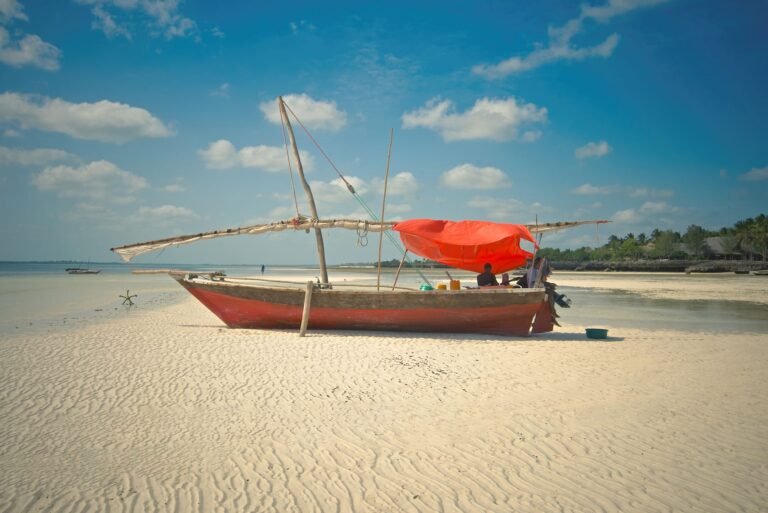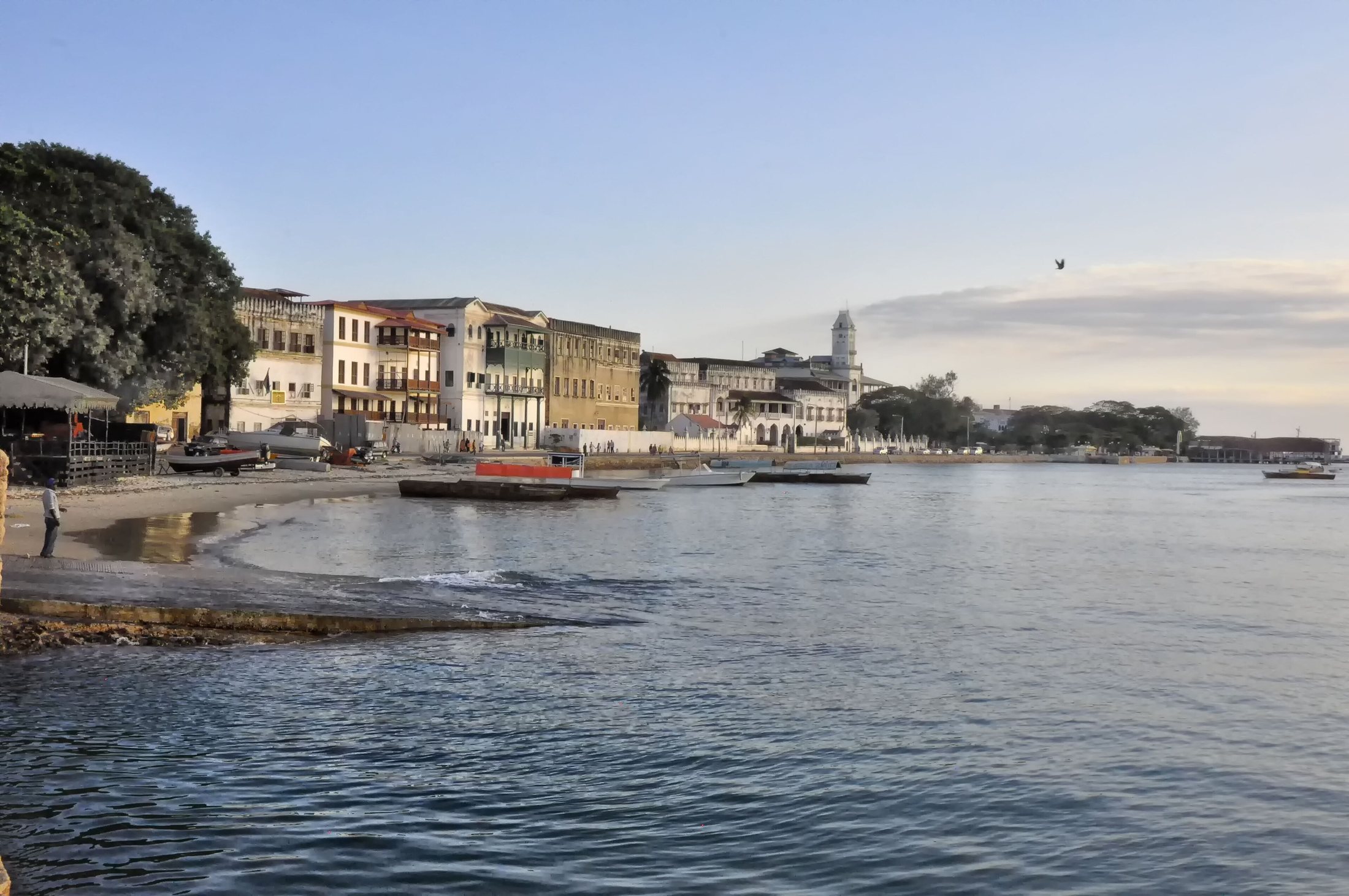
Zanzibar changes the pace of a Tanzania journey, but it should not flatten into “three nights on the beach”. The archipelago has a living Swahili history, a UNESCO-listed urban core, working fishing villages, tidal shores and very different coastal characters. The right programme usually begins with the question: what should the island days feel like?
Stone Town belongs in that answer. Its carved doors, coral-stone buildings, mosques, churches, markets and seafront place the beach within a longer Indian Ocean story. One or two nights works well before moving to the coast, especially when arrival or departure timings make a same-day transfer awkward.
North coast or east coast?
The north around Nungwi and Kendwa generally offers easier swimming through more of the tidal cycle and a busier choice of restaurants and boats. It suits travellers who want activity close at hand. The east coast has a stronger tidal range, long exposed reef flats at low water and a quieter village rhythm in many areas. Paje and Jambiani add kitesurfing, cafés and movement; farther stretches can feel more secluded.
No beach is perfect every day. Wind, seaweed, visibility and currents change by season and weather. We check the exact property position and ask whether swimming, diving, kitesurfing, quiet, nightlife or family convenience matters most.
Pemba and smaller islands
Pemba is greener, quieter and more logistically involved than Unguja. It suits travellers who want diving, forest and fewer developed beach strips, but flights and transfers must be arranged carefully. Chumbe and other smaller islands have their own access rules and conservation context; they are selected for a reason, not as interchangeable “private island” labels.
Combining safari and coast
Light-aircraft services can connect Zanzibar with the northern and southern safari circuits. The practical route depends on the park, airstrip and day of operation. Nyerere and Ruaha often connect naturally through Dar es Salaam or direct safari flight patterns. The Serengeti may involve a longer shared flight with stops.
After a remote safari, we avoid placing an international departure on the same fragile chain of light aircraft, boat and long road transfer. A final night with margin can protect the whole journey.
Responsible island days
Reef and wildlife activities should be chosen with care. We prefer operators who keep distance from marine animals, limit pressure on sites and brief guests before entering the water. Tides and local fishing activity are part of the coast’s life, not obstacles to remove from view.
Entry and insurance rules for Zanzibar can change separately from mainland Tanzania requirements. Travellers must check current official guidance for their nationality and date; we confirm operational requirements during planning rather than freezing them into evergreen copy.
Zanzibar is not one beach
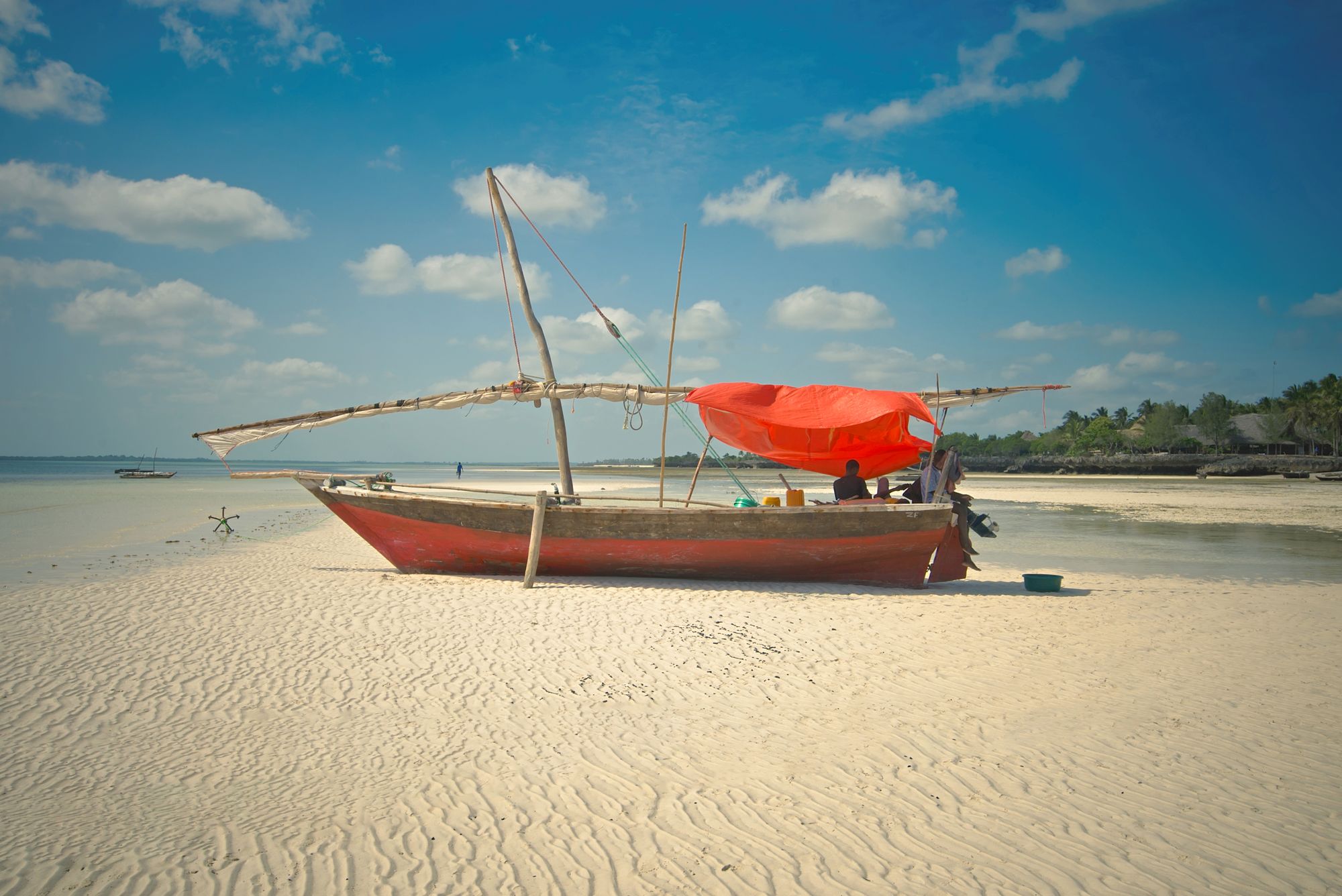
The island changes markedly from coast to coast. On the north-west, Kendwa is the simplest choice for swimming through most of the tidal cycle; neighbouring Nungwi is livelier, with boatyards, restaurants and a busier resort atmosphere. The north-east around Matemwe looks across to Mnemba Atoll and suits divers, couples and travellers who enjoy long tidal beaches. The south-east—Paje, Bwejuu and Jambiani—has more wind, a stronger kitesurfing culture and a broad intertidal landscape where village life, seaweed farms and reef flats are visible at low water. Michamvi and the Chwaka peninsula feel more secluded, while the south-west and Menai Bay suit travellers drawn to mangroves, sailing and quieter coves.
None is universally “best”. A guest who wants to step from breakfast into deep water should not be placed on a dramatic east-coast beach without understanding the tide. A kitesurfer may find the same tide and wind exactly right. The honest conversation begins with how the traveller imagines using the sea.
Stone Town deserves time, not a rushed excursion
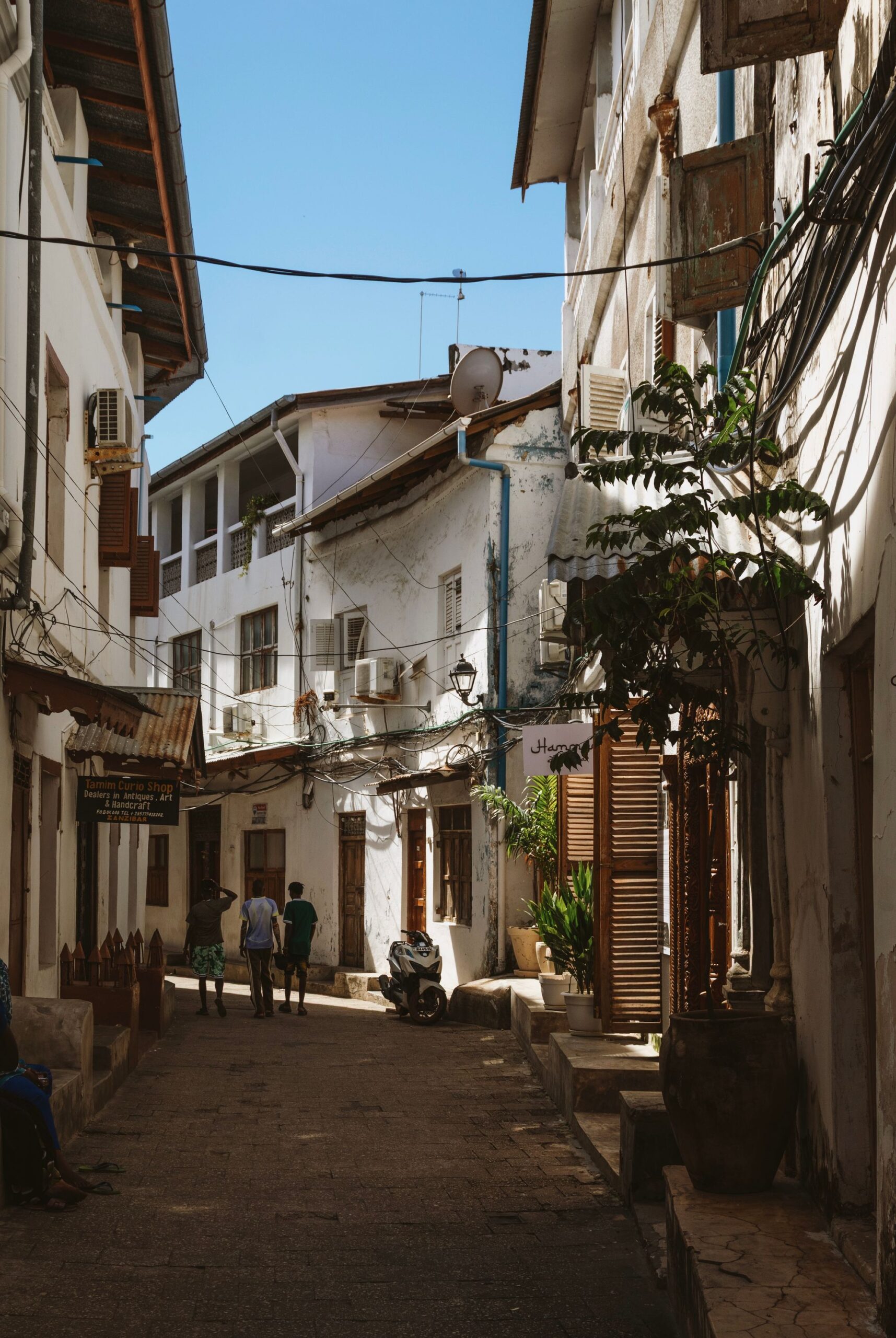
Stone Town is best read on foot and slowly. Coral-rag buildings hold carved doors, shaded courtyards, mosques, churches, former palaces and merchant houses in a dense Swahili port city shaped by African, Arab, Indian and European histories. The value is not ticking off the Old Fort, Darajani Market or Forodhani Gardens; it is walking with someone who can explain how trade, religion, architecture, slavery, cloves and the sea made the town.
One night gives an evening and a morning. Two nights gives enough time for an unhurried walk, a rooftop sunset, the market at a useful hour and a meal that is not squeezed between transfers. Stone Town can sit at the start of the island stay, when travellers are still curious and energetic, or at the end for easy access to the airport. Hotels range from restored merchant houses with steep stairs and inner courtyards to larger waterfront properties. Accessibility must be checked room by room.
Tides, wind and the Indian Ocean
Zanzibar’s east coast has a large tidal range. At low tide, the water may retreat across reef flats, exposing pools, sand, seagrass and working seaweed plots. Swimming hours therefore change each day. The north and north-west are less restrictive, although currents and local conditions still matter. We check tide expectations with the property rather than describe every beach as permanently turquoise and swimmable.
The kusi, the stronger south-east monsoon, generally influences the island from roughly June into September and creates good kitesurfing conditions on the south-east coast. The kaskazi is the north-east monsoon associated with the hotter months around December to February. Divers care about wind direction and visibility as much as rainfall; the best site on a brochure may be uncomfortable on a particular day.
Where diving and snorkelling fit
Mnemba Atoll is the island’s best-known marine excursion, reached from the north-east and north. Its popularity means boat choice and departure time matter. Leven Bank, north of Unguja, is an exposed advanced dive rather than a casual snorkelling stop. Pemba has steeper walls and a more serious diving identity, but adds flights and a slower island rhythm. Mafia Island—south of Zanzibar and not part of the Zanzibar archipelago—is a different marine journey altogether and is often stronger for travellers whose first priority is diving rather than resort choice.
We do not promise dolphins, turtles, whale sharks or perfect visibility. Wildlife encounters should be conducted without chasing or surrounding animals. The quality of the skipper, guide, boat, safety equipment and group size matters more than a colourful excursion name.
Beyond the beach
Spice farms
A well-led spice visit makes sense of Zanzibar’s agricultural history. Clove, cinnamon, nutmeg, vanilla, cardamom, pepper and tropical fruit become more interesting when the guide explains how they grow, who works the farm and how the crop connects to the island’s past. We favour visits that pay local growers fairly and avoid turning the experience into a theatrical sales stop.

Jozani and the red colobus
Jozani–Chwaka Bay protects forest, mangrove and the endemic Zanzibar red colobus. The monkeys can be remarkably relaxed around people, which makes respectful distance important. A guided forest and mangrove visit is a good half-day from the east or south-east coast and works particularly well for families and travellers who want more than sand.
Dhow sailing
A dhow is part of the working culture of the coast, not simply a sunset prop. Short sails, sandbank trips and longer marine excursions vary enormously in comfort and safety. We check the vessel, weather, life jackets, shade and return arrangements. A quiet sail with a good crew is often more memorable than an overcrowded “blue safari”.
Choosing a coast by traveller
- Honeymoon or quiet luxury: choose a small north-east, Michamvi or private-island property, then confirm beach access and privacy rather than relying on the word boutique.
- Families: look for reliable swimming, flexible meals, shaded space, suitable room layouts and realistic transfer times. Kendwa and parts of the north can be easier for water-loving children.
- Kitesurfers: Paje and the south-east place the sport at the centre of the stay, especially during the stronger trade-wind months.
- Divers: base according to the dive sites and operator, not merely the most famous hotel. Matemwe and the north suit Mnemba access; Pemba or Mafia may justify a separate journey.
- Culture-first travellers: give Stone Town two nights and add a spice farm, local food experience or responsibly guided village visit.
- Travellers who dislike resort bustle: avoid assuming Nungwi will feel remote; quieter stretches exist elsewhere, sometimes with a greater tidal compromise.
When to travel
June to October is generally cooler and drier, with July and August particularly popular. January and February are hot and can be excellent for the beach. November often brings shorter, less predictable showers. April and May are the main long-rain period; some hotels close and heavy rain can interrupt roads and marine activities. Christmas, New Year and northern-hemisphere school holidays bring demand and higher rates.
Seaweed on the beach, wind, cloud and tide are natural conditions, not signs that a hotel has failed. The right property will manage its frontage well, but no operator can guarantee a brochure-perfect ocean every hour of the day.
How long to stay
Four nights is a useful beach finish after safari. Six or seven nights allows rest, Stone Town and one or two activities without turning the island into another schedule. A strong first visit might use two nights in Stone Town and four or five on one coast. Changing beach hotels rarely adds enough to justify another packing day unless the trip has a specific diving or cultural reason.
Combining Zanzibar with safari
Scheduled flights connect Zanzibar with Arusha, Dar es Salaam and many safari airstrips, sometimes with intermediate stops. Northern-circuit travellers may fly from the Serengeti to Zanzibar; southern safaris can connect from Nyerere or Ruaha through the coastal network. We check the day’s actual route, baggage limit and arrival time before promising a seamless beach afternoon.
After an intense safari, most guests need less activity than they expect. We usually protect the first island day for sleep, swimming and laundry, then place Stone Town, diving or sailing when the group has recovered. The beach should change the rhythm of the journey, not continue its rush.
Culture and practical respect
Zanzibar is predominantly Muslim. Away from private hotel beaches, modest clothing is respectful; shoulders and knees should be covered in Stone Town and villages. Ramadan changes daytime rhythms, restaurant hours and the atmosphere after sunset. Photography of people requires permission, and a camera should never turn a market, fishing village or place of worship into a backdrop without conversation.
The island’s beauty is inseparable from its living culture. Travellers who approach it as a place rather than a resort tend to leave with the richer journey.