
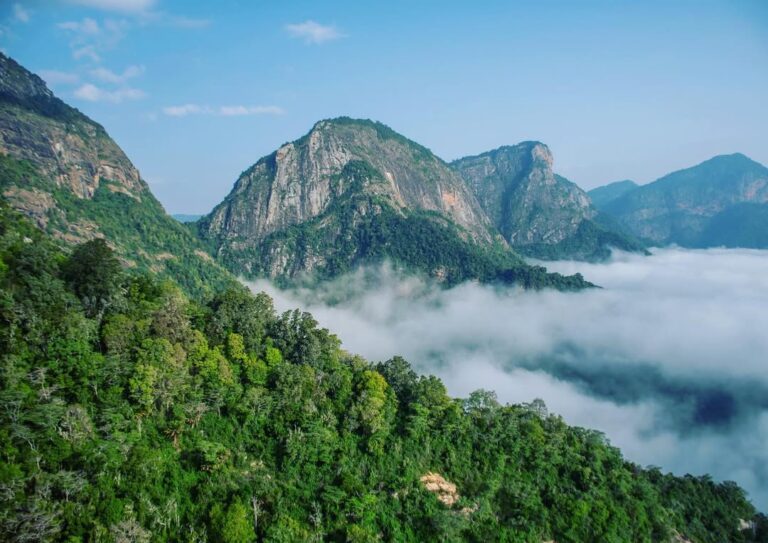
Kenya
Namunyak & the Mathews Range
Forested mountains, elephant corridors and Samburu community conservation rising above the dry northern lowlands.
Find your way through the site
Search destinations, routes, journeys, lodges and travel guides.
Kenya · Tanzania · Uganda
Kenya can connect mountains, safari and coast. Tanzania changes with the northern circuit, Kilimanjaro and the season. Uganda asks you to plan around forests, primates, the Nile and the Rwenzori. Start with the country, then compare the regions that give it its character.
For teachers and expedition leaders
Start with what you want students to learn. We will shape the right mix of mountains, wildlife, cycling and coast around their age, confidence and time.
Alpine ridges, conservancy country, open savannah, Rift Valley lakes, northern desert and the Indian Ocean — often connected within one journey.
Explore Kenya →Kilimanjaro, Tarangire, Ngorongoro and the Serengeti, with each season changing how the northern circuit should be travelled.
Explore Tanzania →Rainforest primates, crater lakes, the Nile and the Rwenzori — a greener journey through forests, mountains and water.
Explore Uganda →All destinations
Browse by country and experience, then open each guide for access, seasons, places to stay and the journeys that connect the region.
Kenya
Forested mountains, elephant corridors and Samburu community conservation rising above the dry northern lowlands.
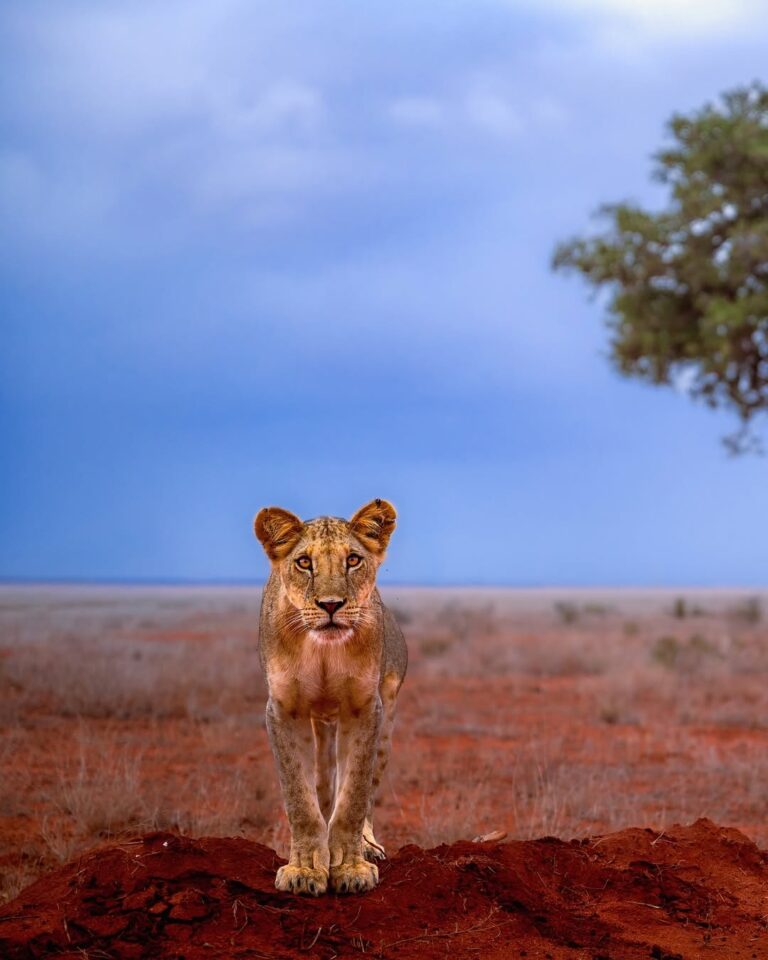
Kenya
A volcanic safari of black lava, clear springs, wooded hills and elephant country, with Mzima, Ngulia and the long horizons of Tsavo West.
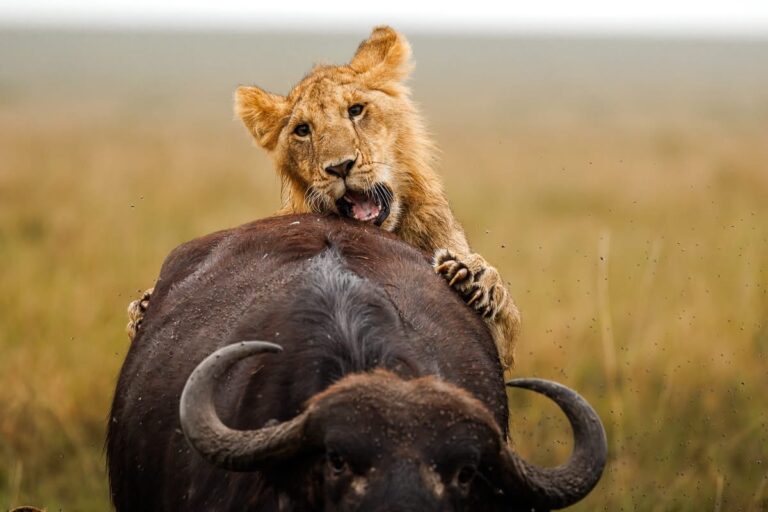
Kenya
A real rhino-and-lion safari on Nairobi's edge, where open plains meet the city skyline and Kenya's conservation story is impossible to ignore.
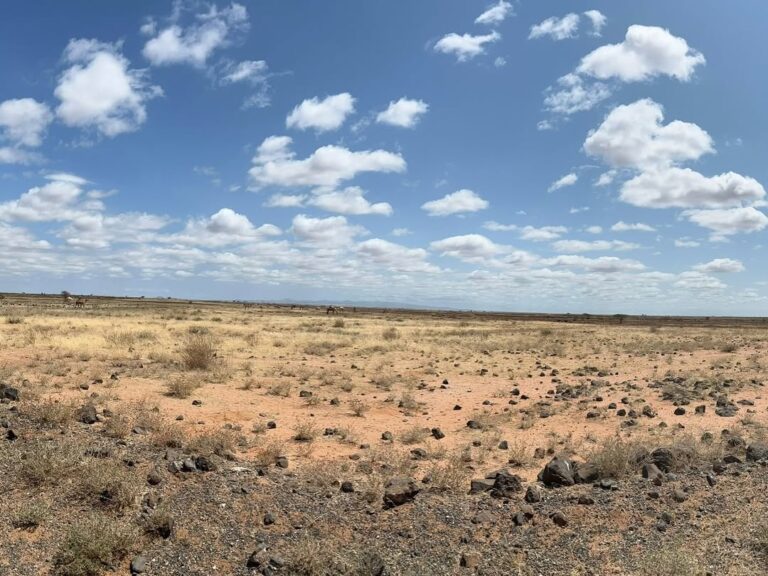
Kenya
A former lake basin of salt, clay, wind and mirage north of Marsabit, experienced as a real desert crossing rather than a roadside photograph.
Kenya
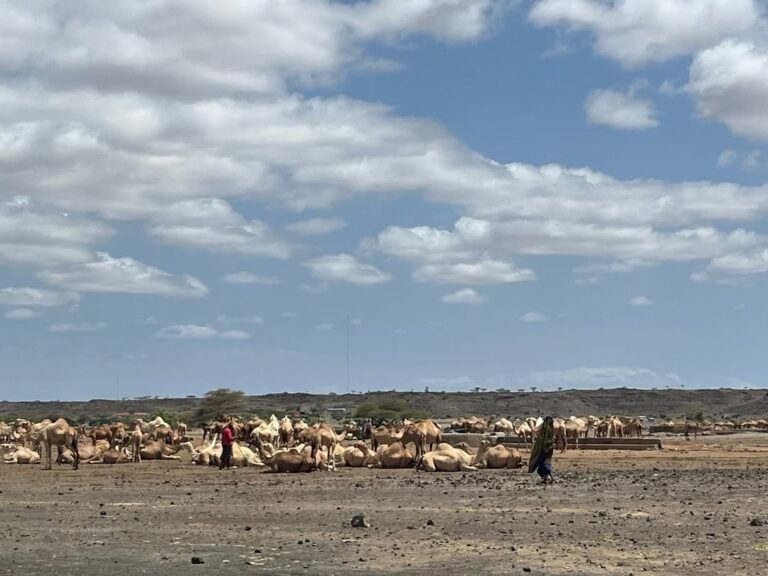
A cool volcanic mountain and forest oasis rising from arid northern Kenya, with crater lakes, elephant country and the road towards Chalbi and Turkana.
Kenya
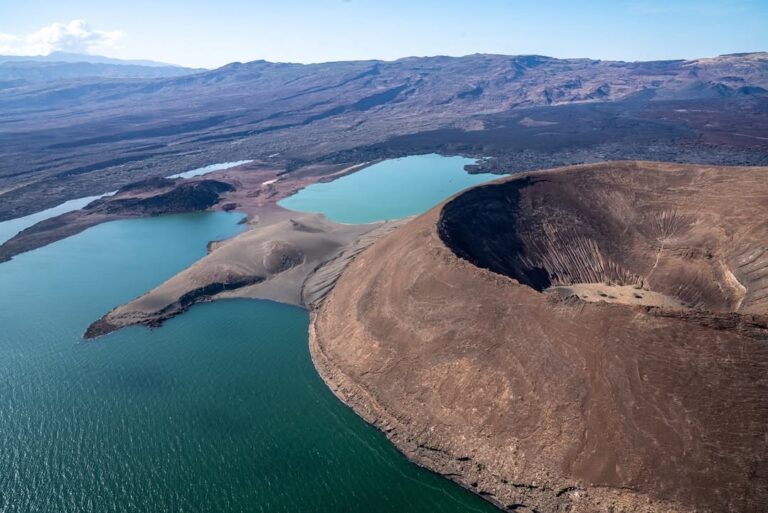
A private Northern Kenya expedition to Lake Turkana’s volcanic shores, fishing communities and human-origins landscape, planned through Marsabit, Chalbi and the far north.
Kenya
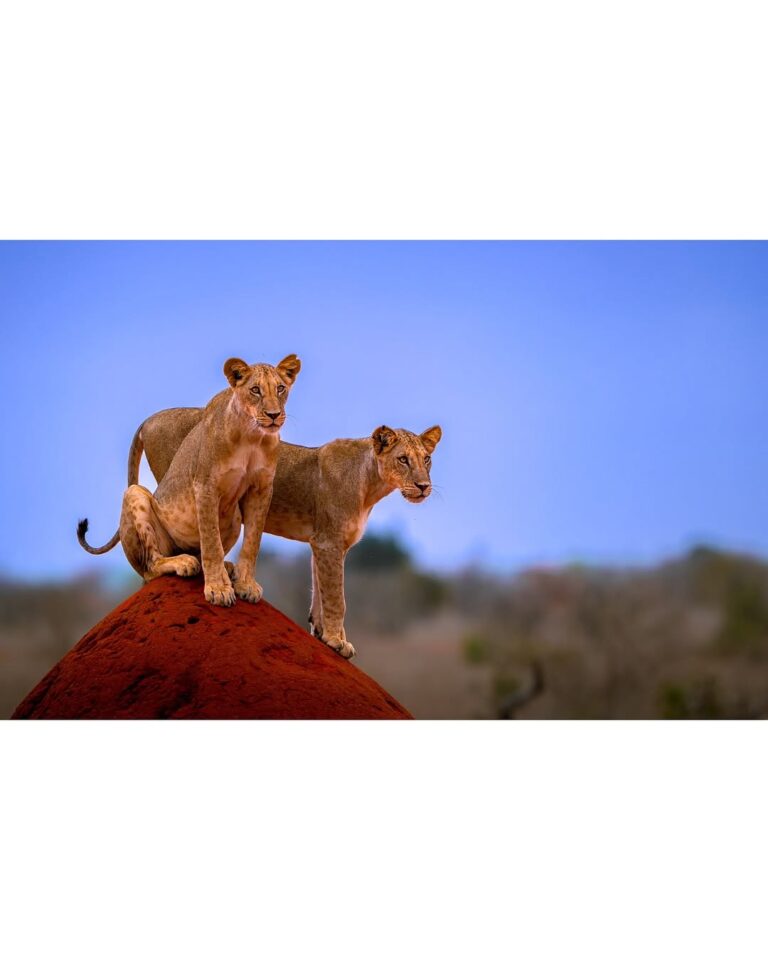
Wilderness Alternative Expedition guide to Tsavo East Tsavo East does not reveal itself in a rush. The road runs red through thorn and open sky; elephant tracks cross…
Kenya
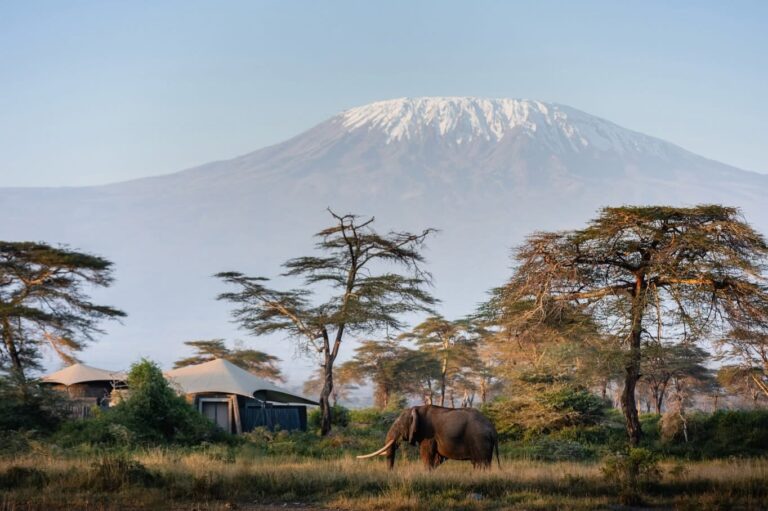
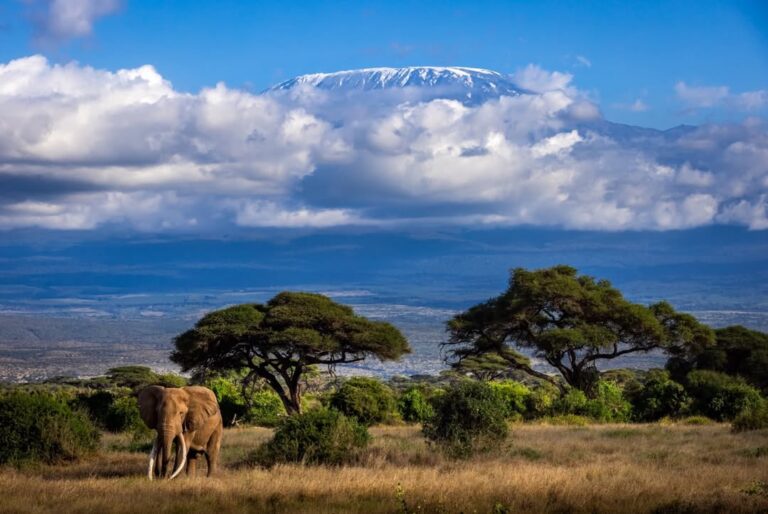
Plan an Amboseli safari with clear advice on road and air access, private vehicles, game-drive rhythm, packing, families and the right number of nights.
Kenya
Understand Amboseli’s elephant families, bulls, wetlands, communication and wider wildlife through the eyes of an experienced safari guide.
Kenya
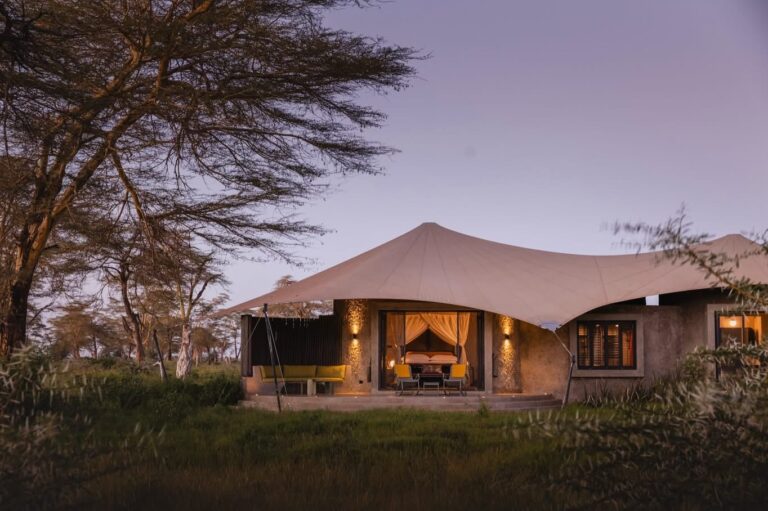
Choose an Amboseli lodge or tented camp by location, guiding, atmosphere and safari rhythm—from well-selected mid-range stays to private luxury.

Kenya
A practical Amboseli photography guide to elephants, Kilimanjaro, dust, wetlands, light, lenses, vehicle positioning and patient fieldcraft.
Kenya
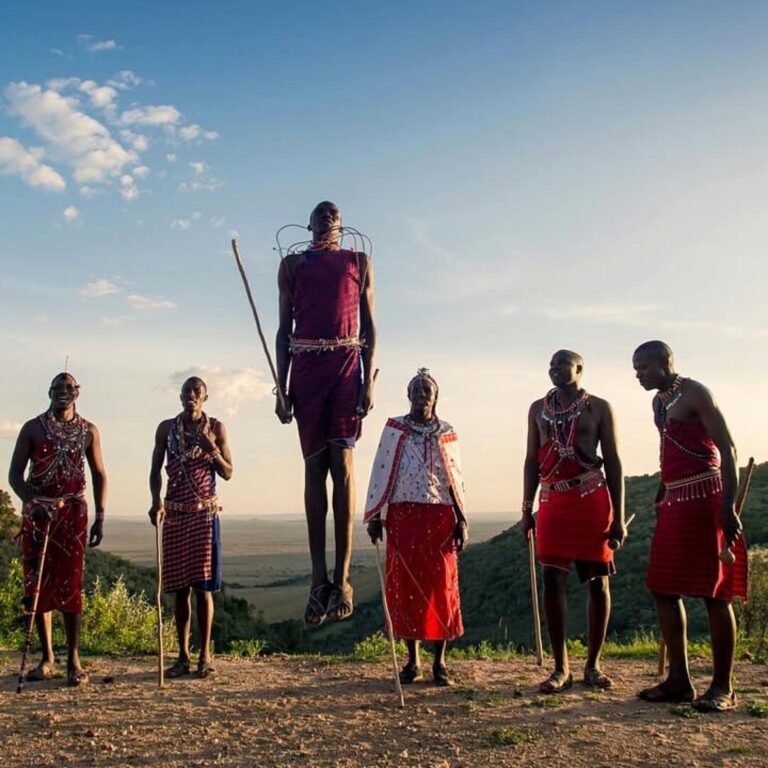
Understand the Mara as a living Maasai landscape, the conservancy model, responsible community visits and the pressures shaping conservation.