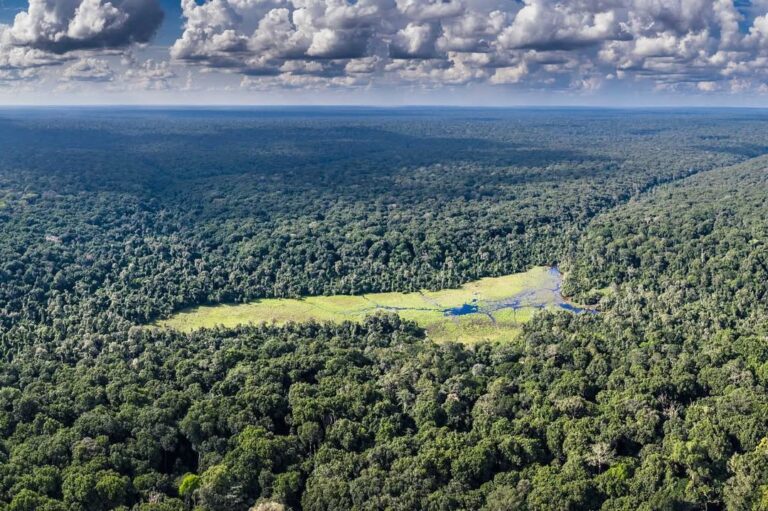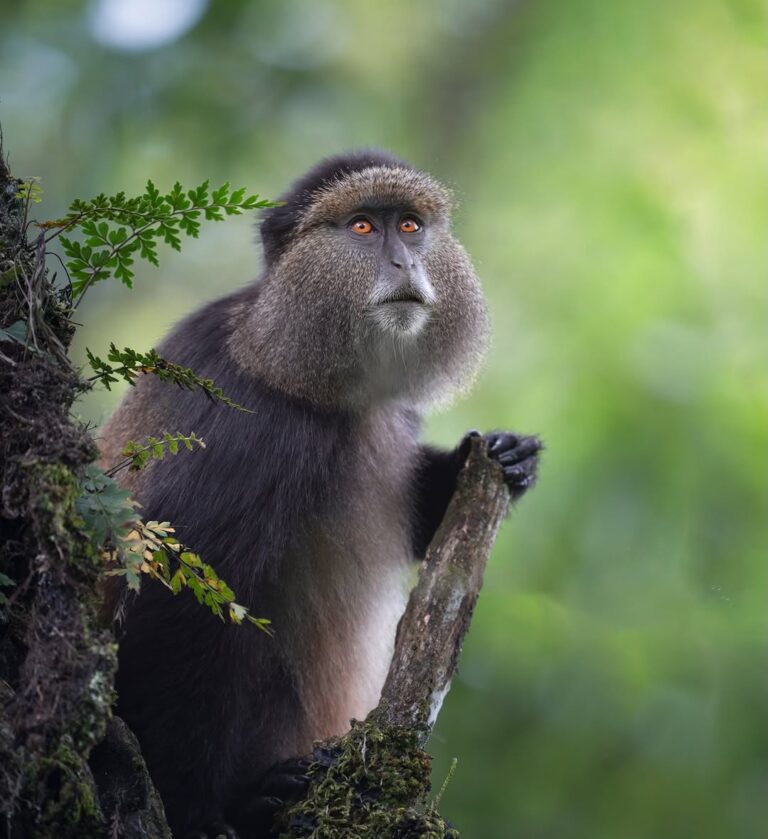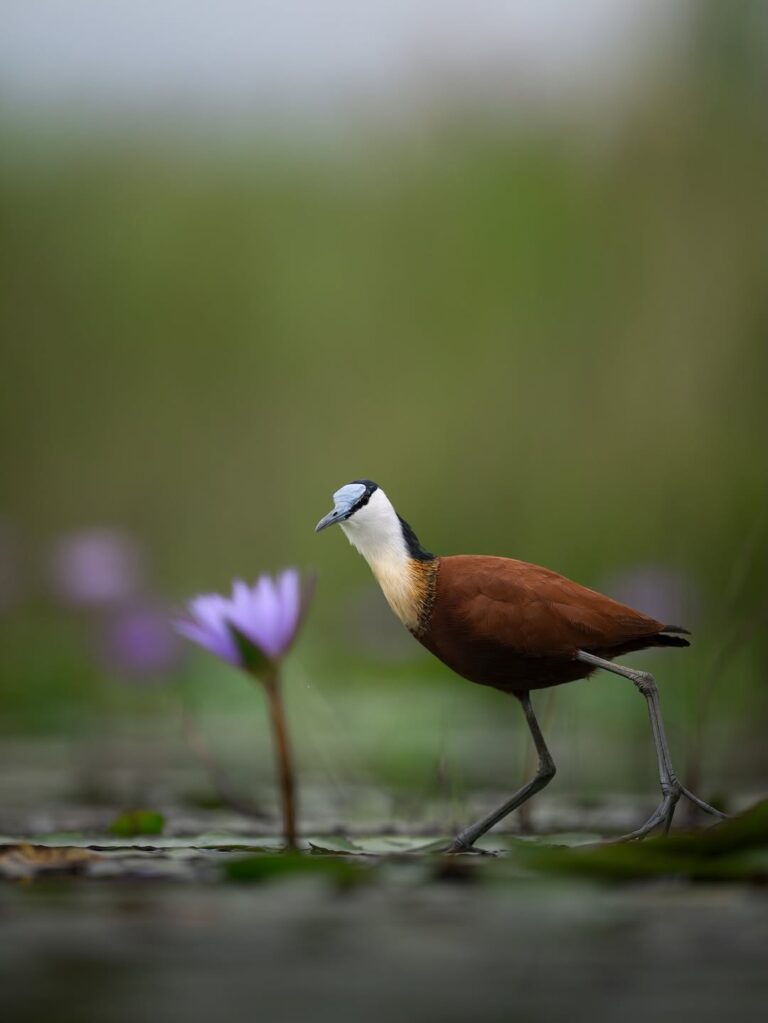
Uganda is a country of thresholds. West of Kampala, cultivated highlands break towards the Albertine Rift; crater lakes sit in old volcanic country; rainforest holds primates whose range is measured in surviving fragments rather than political borders. Farther north, the Nile narrows through rock at Murchison Falls before spreading into a broad river landscape. In the southwest, the Virunga volcanoes rise above bamboo forest, while the Rwenzori climb from warm foothills into bog, giant lobelia and equatorial ice.
A serious Uganda journey is built around these changes in altitude and habitat. Gorilla trekking is not simply a permit attached to a safari. The Bwindi sector determines the approach road, the lodge, the walking conditions and the family available that day. A Rwenzori expedition is not another version of Kilimanjaro: the terrain is wetter, the vegetation more extravagant, and the highest summits require technical judgement on glacier and rock. Chimpanzee tracking in Kibale, game drives in Queen Elizabeth, the Nile at Murchison and the open valleys of Kidepo each need their own pace.
Where to begin in Uganda
For a first journey, begin with the experience that matters most and protect enough time around it. Travellers coming for mountain gorillas should choose between Bwindi and Mgahinga before choosing accommodation. Climbers should decide whether they want a landscape trek, a circuit through the high Rwenzori, or a technical attempt on Margherita Peak. A wildlife journey should be planned as a coherent western circuit rather than a race between park gates.
Rwenzori Mountains
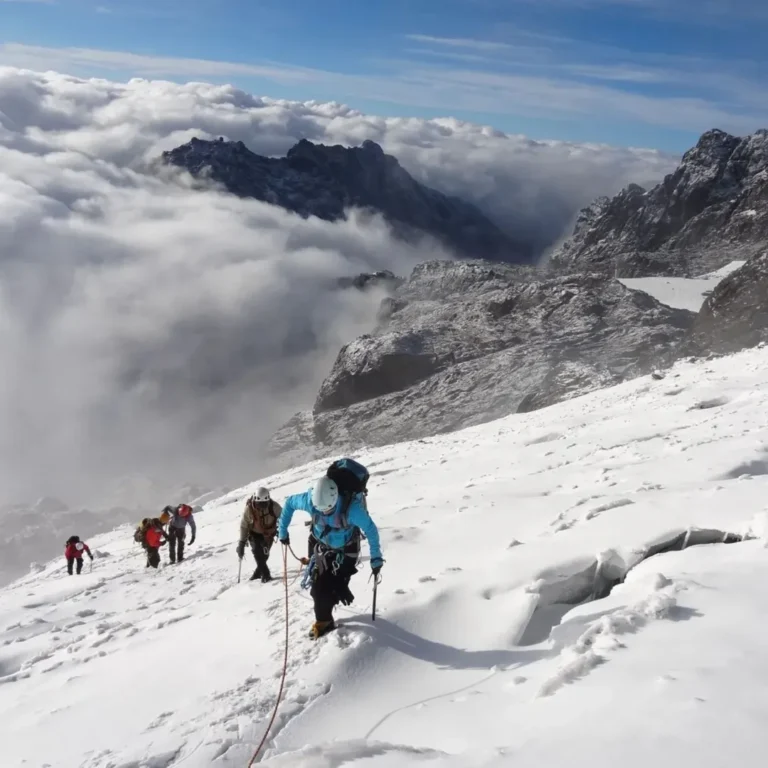
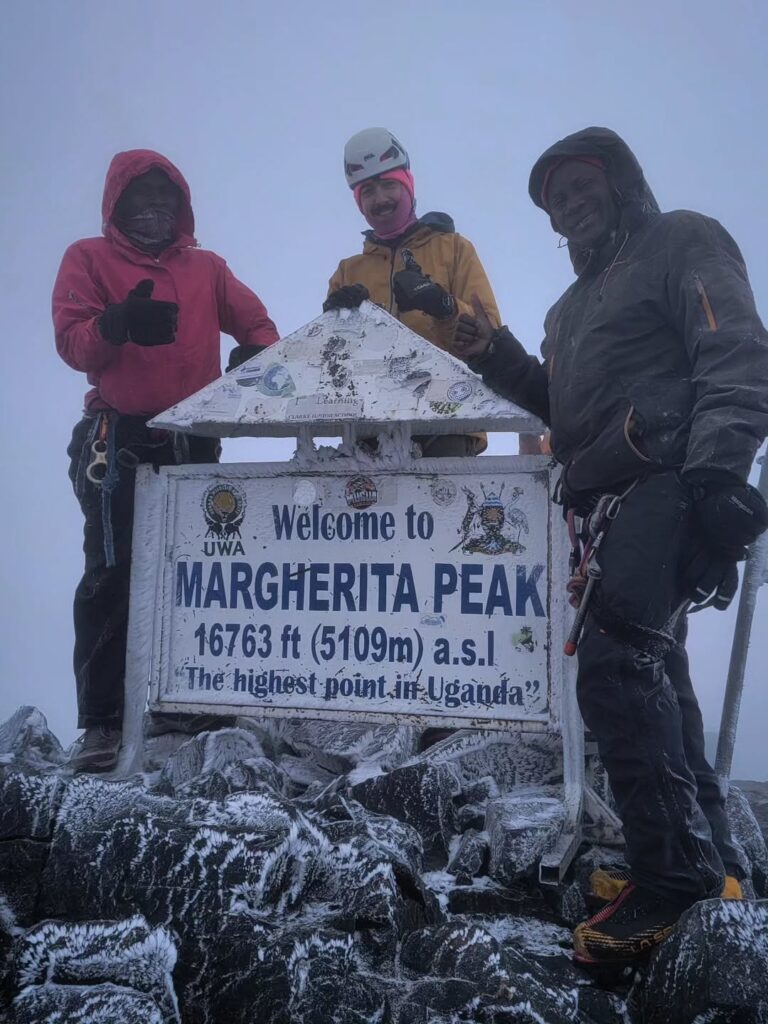
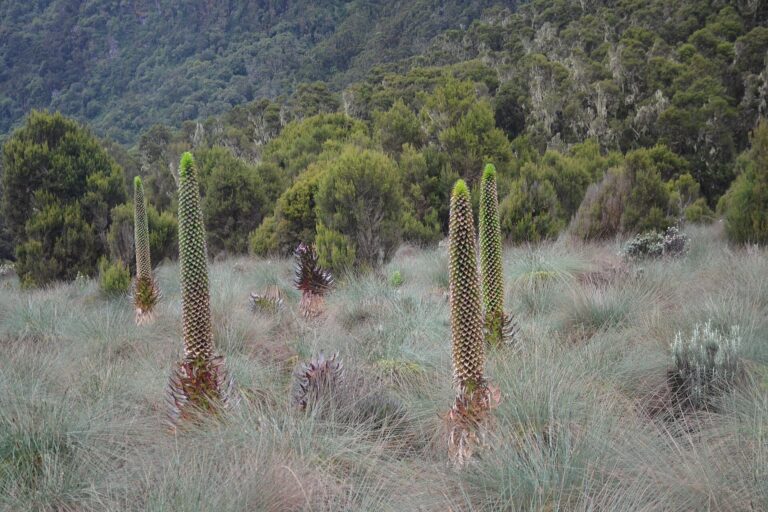
The Rwenzori are a fault-block range on the Uganda–DR Congo frontier, not a free-standing volcano. Their highest point, Margherita Peak on Mount Stanley, reaches 5,109 metres. Below the summits, successive vegetation belts turn the ascent into one of Africa’s most distinctive mountain journeys: montane forest, bamboo, giant heather, bog, tussock, giant groundsels and lobelias, then bare rock and the remaining glaciers.
Two principal approaches shape most multi-day expeditions. The Central Circuit begins near Nyakalengija and makes a true circuit through the central mountains. The Kilembe route approaches from the south, gaining the Nyamwamba valley and high lakes before reaching the Mount Stanley system. Both can support non-technical high-altitude trekking; an attempt on Margherita is a different undertaking, requiring specialist equipment, a qualified mountain team and conditions that permit safe movement on rock and ice.
Gorilla trekking
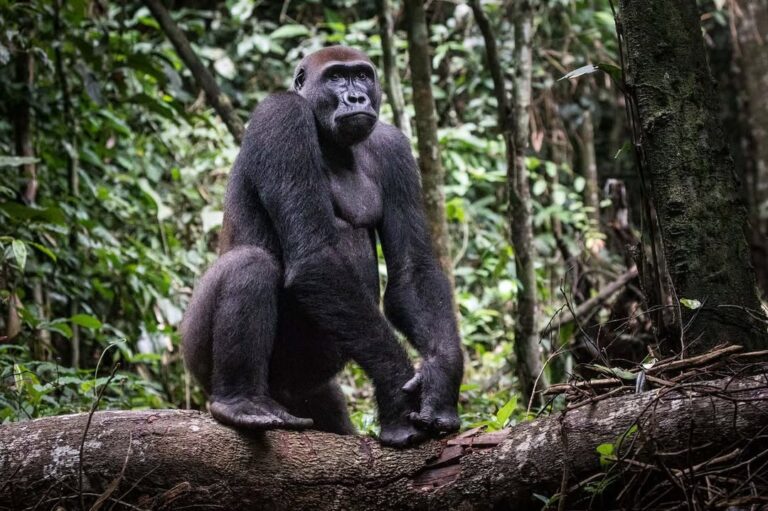
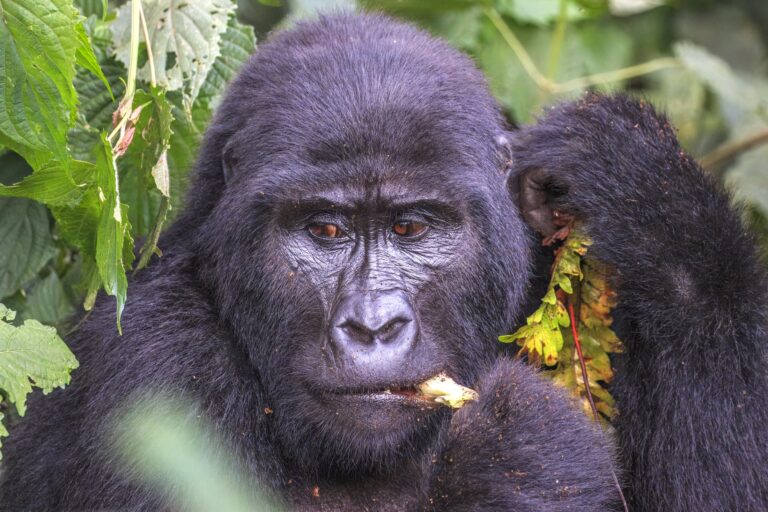
Uganda’s habituated mountain-gorilla visits take place in Bwindi Impenetrable National Park and Mgahinga Gorilla National Park. Bwindi is divided operationally into Buhoma, Ruhija, Rushaga and Nkuringo. Those names are not interchangeable: they sit on different sides of steep forest country, and driving between them can consume much of a day. Mgahinga belongs to the Virunga volcanic landscape and offers a smaller, high-altitude alternative with golden-monkey tracking and hikes on the volcanoes.
A standard encounter allows one hour with a habituated gorilla family after the group is located. The walk may be short or may take several hours through steep, wet vegetation. Fitness helps, but so do patience, gloves, waterproof layers and a porter. Health rules protect gorillas from human respiratory infection; distance, calm movement and the prohibition on flash photography are conservation requirements rather than theatre.
Kibale Forest
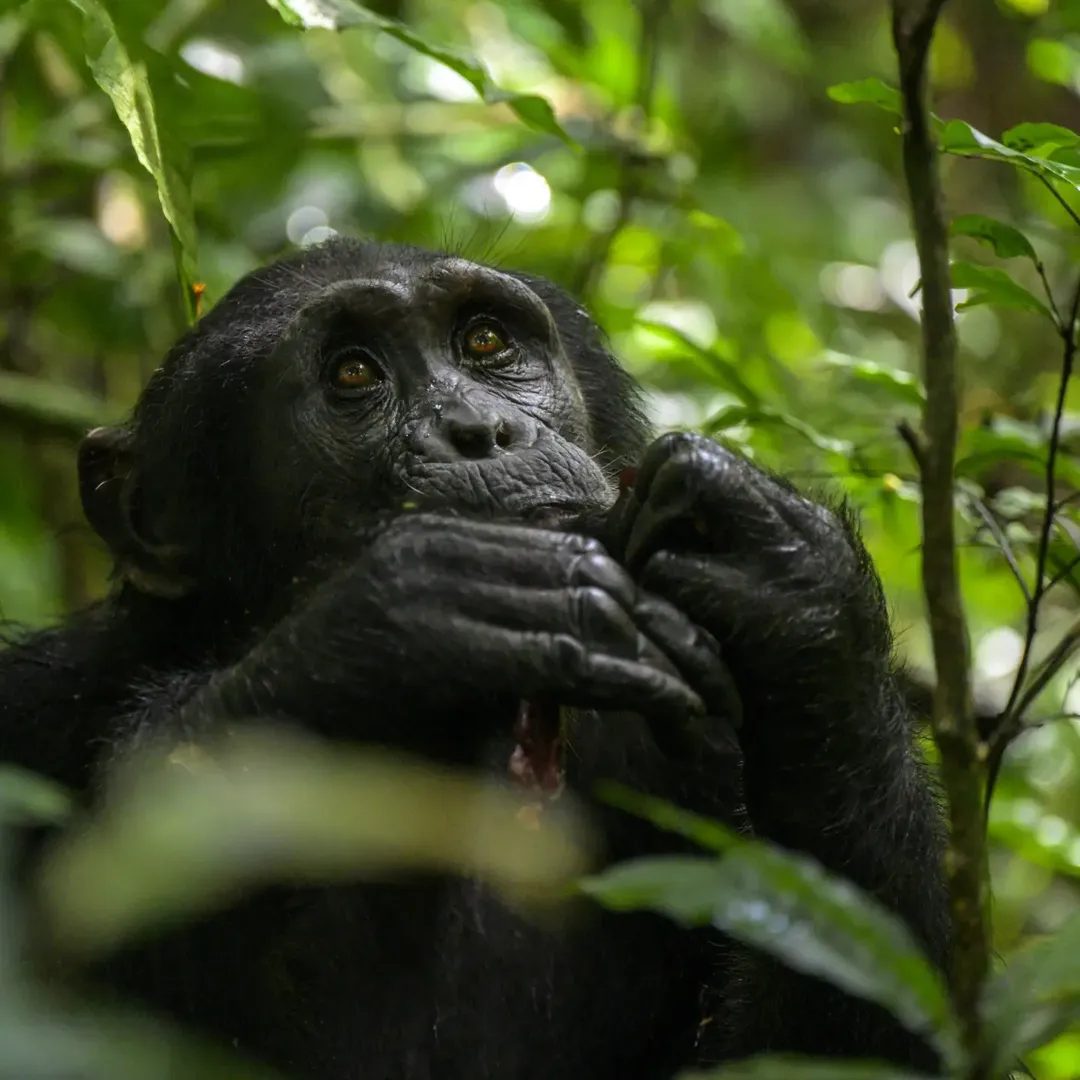
Kibale is Uganda’s principal chimpanzee-tracking forest and one of the most important primate landscapes in East Africa. The experience differs fundamentally from gorilla trekking. Chimpanzees are more mobile and vocal, often travelling through the canopy before descending to feed or rest. Tracking can be energetic and the light demanding for photography. The wider Fort Portal region adds crater lakes, wetlands and forest-edge walks, making Kibale a natural bridge between the Rwenzori and Queen Elizabeth.
Queen Elizabeth National Park
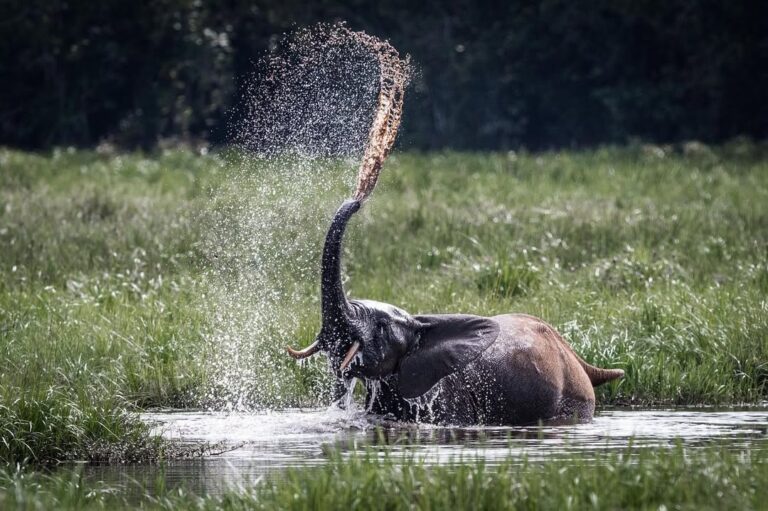
Queen Elizabeth occupies a varied rift landscape between Lakes Edward and George. The Kazinga Channel concentrates hippo, buffalo, waterbirds and elephants along the water. Kasenyi’s open plains are important for Uganda kob and the predators that follow them; Ishasha in the south is a quieter sector of fig trees, grassland and seasonal drainage lines. Tree-climbing lions are possible here, never guaranteed.
Murchison Falls
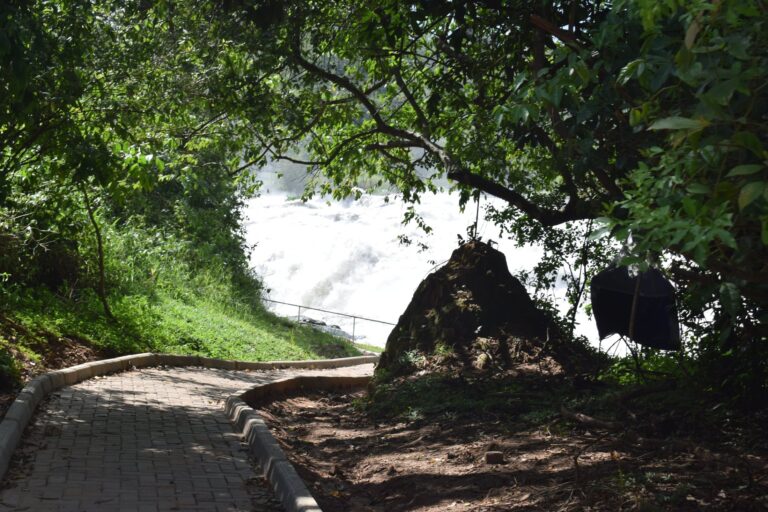
At Murchison the Victoria Nile is forced through a narrow rock cleft before dropping into the rift. The park is larger than the waterfall: river journeys, northern-bank game drives, delta birding and the long approach all shape the visit. It works best with at least two full field days, especially when paired with a stop at Ziwa for rhino tracking or with onward travel towards Kibale.
Kidepo Valley
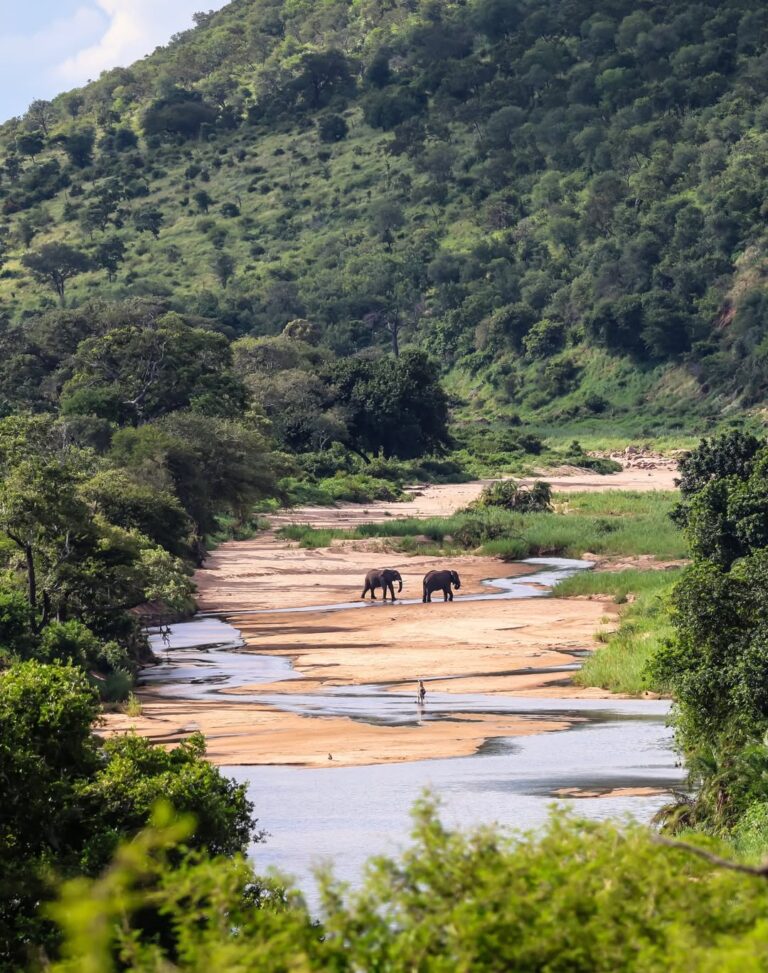
Kidepo lies far to the northeast, where distance is part of the experience. The Narus Valley concentrates wildlife around permanent water, while the Kidepo Valley opens towards dry riverbeds, mountains and the South Sudan frontier. It should not be added casually to a short itinerary: the reward comes when the journey gives it enough nights, an appropriate vehicle and space to read the landscape.
Lake Mburo
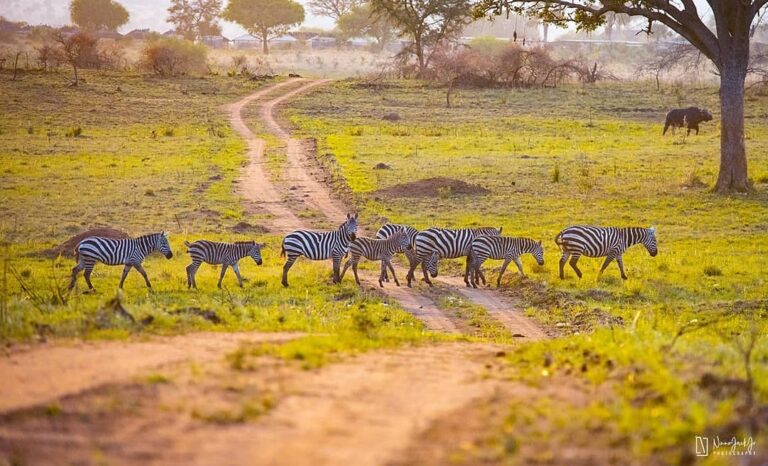
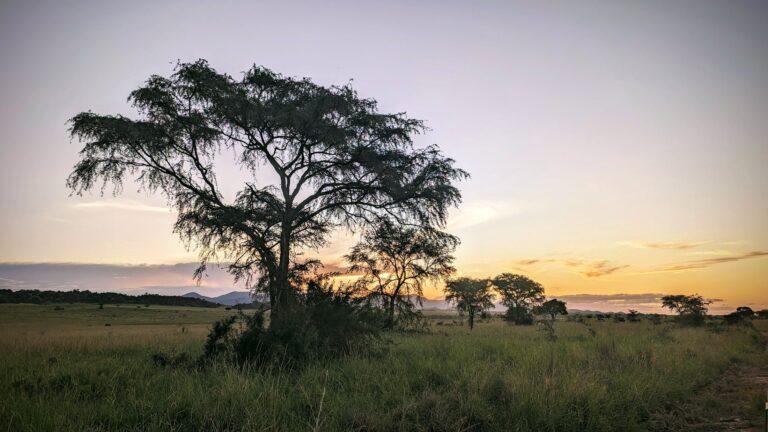
Lake Mburo is Uganda’s compact acacia-and-wetland park, useful both as a first field stop from Kampala or Entebbe and as a measured pause after the southwest. Zebra, impala, eland and birdlife distinguish it from the forest parks. Walking, cycling and horseback experiences may be available through authorised operators, while boat trips reveal a quieter shoreline world.
How Uganda fits together
Entebbe is the main international arrival point. The western circuit commonly runs towards Lake Mburo or the Fort Portal–Kibale region, then south through Queen Elizabeth to Bwindi or Mgahinga. The Rwenzori trailheads sit near Kasese and the mountain foothills, close enough to Queen Elizabeth to combine geographically but not sensibly on the same day as the end of a demanding trek.
Road travel is substantial. Kampala and Entebbe traffic can make published kilometre counts misleading, and western roads cross towns, escarpments and cultivated hills. Domestic flights can protect field time, particularly for Bwindi, Kidepo and Murchison, but schedules, baggage limits and the airstrip nearest the chosen sector must be confirmed for the actual journey.
Rain, altitude and timing
Uganda can be travelled year-round, but rain changes roads, trails and photography. Drier periods are often chosen for gorilla trekking and savannah drives, while forest weather remains changeable in every month. The Rwenzori generate their own weather; rain, mud and cloud are part of the range, not merely a seasonal inconvenience. The highest routes require extra tolerance for cold, wet equipment and changing mountain conditions.
Wildlife does not follow a simple high-season chart. Water levels alter boat experiences, grass height changes visibility, and forest fruiting affects primate movement. We use the month to shape the route rather than promise a fixed spectacle.
Guiding and responsible travel
Good guiding in Uganda is both interpretive and operational. A mountain guide must manage pace, cold, river crossings, equipment and retreat decisions. A gorilla guide and ranger team must protect the animals while helping visitors move safely through steep forest. A safari guide reads habitat, weather and behaviour rather than treating wildlife as a list.
Porters are central to both mountain and gorilla operations. Hiring a porter reduces strain for the visitor and creates direct local employment; on the Rwenzori, fair loads, proper clothing, adequate food, shelter, wages and a clear tipping system are expedition-safety standards. Community visits should be consent-based, locally led and economically transparent. Batwa history around Bwindi and Mgahinga must be discussed with care, including displacement from ancestral forest and the unequal costs of conservation, rather than presenting people as a cultural display.
Permits and current rates
Gorilla and chimpanzee places are capacity-controlled and should be secured before the rest of the itinerary is locked. Uganda Wildlife Authority’s published conservation tariff available at the time of writing ended in June 2026 and a replacement public rate card was not yet available on its website. We therefore confirm the live UWA permit price, sector, date, age rule and payment conditions at quotation rather than presenting an expired amount as current.
Park fees, domestic flights and mountain-service charges can also change. A proposal should state what is included, which permits are held, the cancellation terms and whether a route requires technical equipment or specialist insurance.
Plan a private Uganda journey
Tell us whether the journey is being built around primates, mountains, photography, a family safari or a wider East African circuit. We will match the route to the real travel time, choose the correct gorilla sector before accommodation, and protect recovery days after demanding trekking. Uganda pairs naturally with Kenya or Tanzania, but border, flight and baggage logistics should be designed as one journey rather than joined after booking.