ANKOLE · WESTERN UGANDA
Lake Mburo National Park
Lake Mburo is compact, accessible and unusually good on foot. Acacia woodland, open grass, rocky ridges and a chain of wetlands support zebra, impala, eland and rich birdlife. Many travellers use it as a night between Entebbe and the south-west, but the park is more rewarding when treated as a place to walk, watch and slow the road journey.
A different Ugandan savannah
Lake Mburo’s scale is intimate compared with Murchison, Queen Elizabeth or Kidepo. Wildlife and pastoral landscapes meet closely around its boundaries. Zebra and impala are signature animals; eland, topi, buffalo and smaller antelope are also possible. Giraffes occur in the park following conservation translocations. Large predators are less central to the experience.
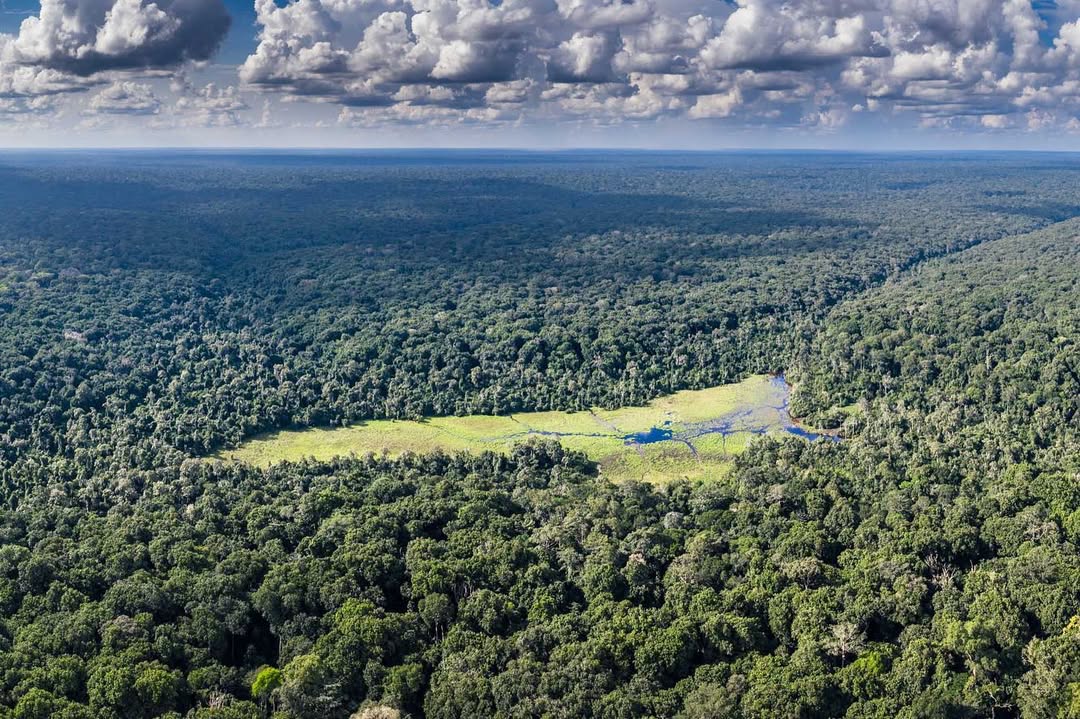
The absence of elephants has helped preserve extensive woodland, giving drives a different texture from Uganda’s larger savannah parks. Tracks wind between acacias and open glades, while rocky kopjes create viewpoints over the wider Ankole country.
Guided walking
Walking is one of Lake Mburo’s strongest reasons to stop. With an authorised guide, visitors can approach the landscape at ground level, reading tracks, dung, plants and animal behaviour. The pace is quiet and the focus broader than a vehicle sighting. Exact walking areas and timings depend on ranger direction and wildlife conditions.
Game drives
Early and late drives reveal zebra herds, impala, eland and buffalo against low woodland and grass. Because the park is small, it is tempting to rush the track network. A patient guide instead uses light, wind and animal movement, giving photography and observation time to develop.
The lake and wetlands
Boat trips explore papyrus edges and open water used by hippos, crocodiles and waterbirds. The wider wetland system is ecologically important and attractive in soft morning or late-afternoon light. Boat schedules and water conditions should be confirmed when the journey is booked.
Birding
Acacia woodland, lakeshore and swamp create varied birding in a short distance. Specialist guides can target dry-country and wetland species without neglecting the larger landscape. Early starts are important, particularly around lodge grounds and quieter side tracks.
Cycling and horseback activities
Some properties and operators offer cycling or horseback experiences outside or in authorised areas around the park. These must be checked for current permission, guiding, safety equipment and insurance. We include them only when the operator and route meet the needs of the individual traveller.
Ankole pastoral country
The surrounding region is known for Ankole cattle and pastoral livelihoods. A worthwhile community visit should be locally hosted, fairly paid and based on conversation rather than a staged photograph. We ask before photographing people and explain how the activity supports the host.
Where to stay
Properties range from simple camps to carefully designed lodges on ridges overlooking the park. Location affects morning access, walking opportunities and the onward drive. One night provides a useful pause; two nights allow both a walk and a game or boat activity without rushing.
Photography
A mid-range telephoto works well for zebra, antelope and birds, while a wide lens captures acacia silhouettes and long-horned cattle. Walking demands lighter equipment and secure straps. Drones are not assumed permitted and should never be used without explicit current authorisation.
Building Lake Mburo into a journey
The park sits naturally between Entebbe and the south-western highlands. It can soften an otherwise long road day before Bwindi or Mgahinga, or provide a final walking safari after primate tracking. We confirm live UWA fees, activity times and gate access at quotation.
Continue exploring: continue towards Bwindi or return to the Uganda guide.