

WESTERN UGANDA · RIFT VALLEY SAFARI
Queen Elizabeth National Park
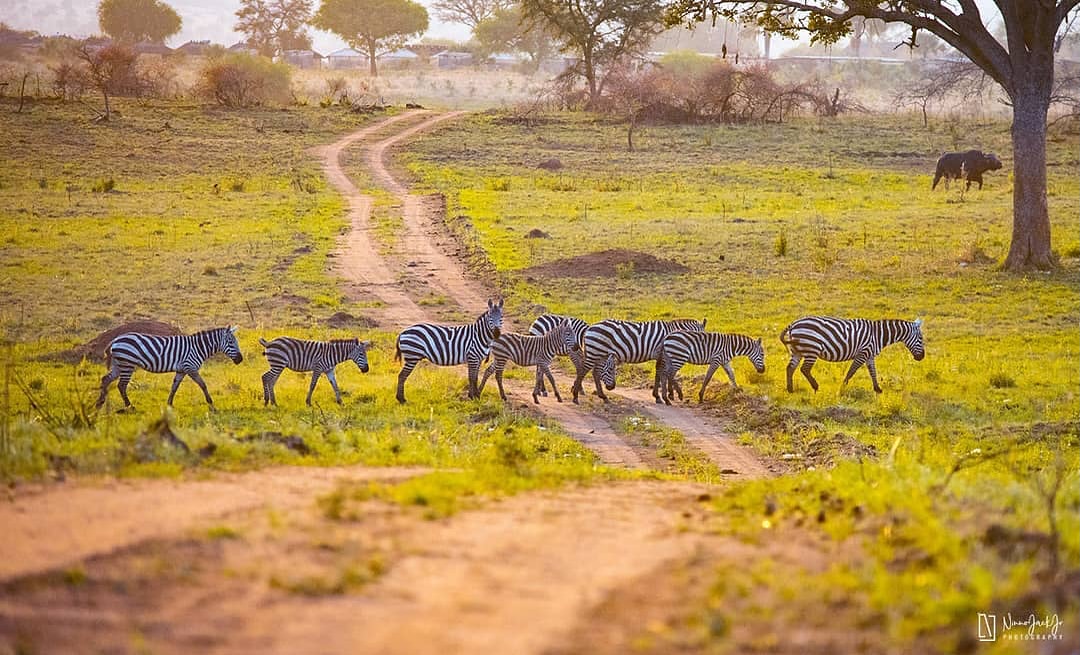
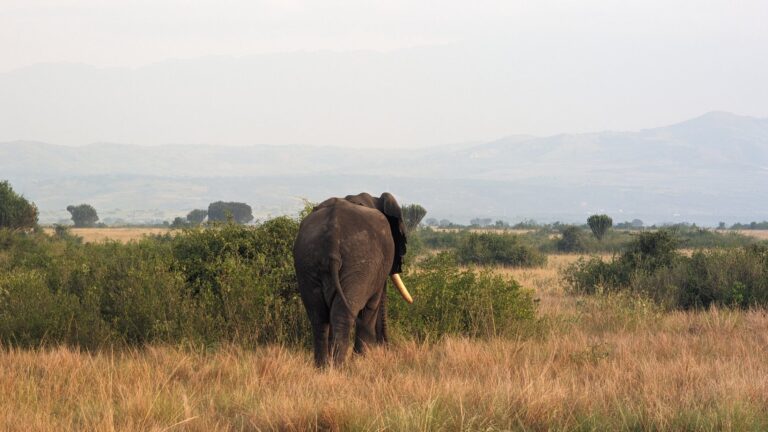
Queen Elizabeth National Park is not a single plain. It is a broad Rift Valley landscape of crater lakes, open grassland, euphorbia-dotted ridges, forested gorges and the water system linking Lakes George and Edward. Its strength is variety: lions on the Kasenyi plains, elephants along the Kazinga Channel, forest primates in Kyambura and long southern roads through Ishasha.
Understanding the park
The park lies below the Rwenzori, with the mountains sometimes appearing beyond the plains in clear weather. The Mweya peninsula and Kasenyi sector form the operational centre for many safaris. Kyambura Gorge cuts into the eastern side, while Ishasha lies far to the south on the route towards Bwindi. Distances matter: Ishasha should not be treated as a quick extension between activities around Mweya.
Kasenyi and the northern plains
Kasenyi’s grasslands and Uganda kob concentrations attract lions and other predators. Early drives are usually strongest, before heat flattens the light and wildlife becomes less active. Sightings are never guaranteed. A private vehicle and patient guide allow time to read tracks, alarm calls and the direction of other animals rather than race between radio messages.
The Kazinga Channel
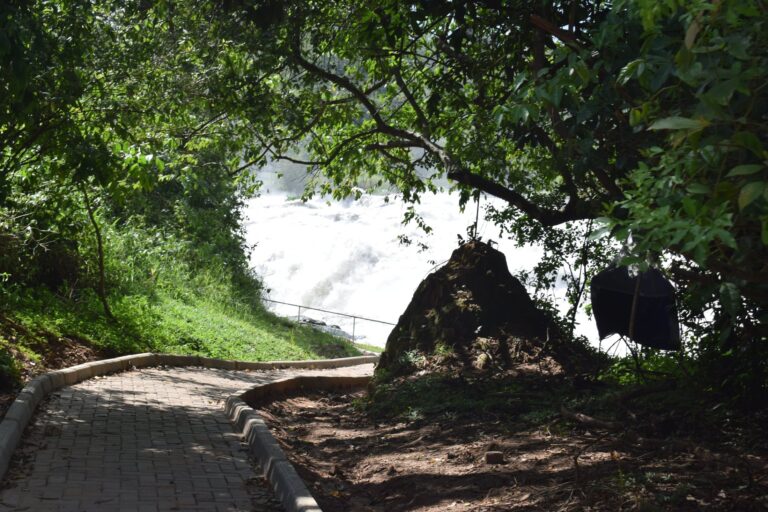
The Kazinga Channel connects Lakes George and Edward and concentrates life along its banks. Boat trips can reveal hippos, crocodiles, buffalo, elephants and an exceptionally varied waterbird community. The best photographs often come from low eye-level encounters and changing shoreline layers rather than a checklist of close animals.
Boat departures and operators should be confirmed when the itinerary is built. Light direction varies by time of day, and keen photographers may prefer a smaller or more position-conscious boat where available.
Kyambura Gorge
Kyambura is a forested incision in otherwise open country. Chimpanzees live in the gorge, but tracking can be more challenging and sightings less predictable than at Kibale. The walk itself is valuable: steep gorge walls, riverine forest, primates and birdlife create a sharp ecological contrast with the plains above.
We present Kyambura honestly. It can be an excellent addition for travellers interested in landscape and conservation, but it should not be sold as a guaranteed substitute for Kibale chimpanzee tracking.
Ishasha
Ishasha’s fig-tree country is famous for lions that sometimes rest in trees. That behaviour is natural and cannot be scheduled. The sector is also rewarding for elephants, buffalo, topi and unhurried game drives away from the busier northern circuits. A night in or near Ishasha gives the guide a proper evening and morning window.
Crater country and salt lakes
Volcanic craters shape the park’s northern approaches. Viewpoints reveal steep walls, alkaline lakes and broken ridges. Katwe’s salt landscape adds a human history of extraction and trade, but visits should be locally guided and respectful of working areas. Flamingos and other waterbirds may occur on suitable lakes; their presence varies with water conditions.
Birding
The park’s habitat range supports one of Uganda’s richest bird lists. Channel edges, wetlands, savannah, forest and crater lakes can all be explored within a compact region. Specialist birders need an early start, a guide who knows calls and enough time to stop without compromising later transfers.
Where to base
Mweya and the northern sector suit travellers prioritising the channel and Kasenyi. Kyambura-edge properties work well for gorge activities and crater scenery. Ishasha requires its own southern base. Choosing solely by lodge style can create hours of avoidable driving; we match the stay to the activity sequence first.
Photography and vehicle craft
A 100–400mm-range lens is versatile for plains and channel work, with a wider lens for craters and storm light. Dust protection matters in dry months. The guide positions the vehicle for light and animal movement without crowding wildlife or blocking other vehicles. We do not leave tracks or press an animal for a cleaner frame.
Planning the western circuit
Queen Elizabeth connects naturally with Kibale to the north and Bwindi to the south. Three nights cover the northern highlights at a measured pace. Add a separate Ishasha night when continuing to Bwindi. Current park fees, boat schedules and air services are checked at quotation.
Continue exploring: travel north to Kibale Forest, south to Bwindi, or return to Uganda.