
Travel from Arusha through Tarangire’s baobab country and the Ngorongoro highlands before entering the Serengeti. The route combines a private overland safari with a flight out of the final Serengeti region, reducing backtracking and protecting time in the field.
Journey at a glance
- 10 days and 9 nights, beginning in Arusha
- Two nights in Tarangire, two nights around Ngorongoro and four nights across one or two Serengeti regions
- Private 4×4 safari vehicle from Arusha through the northern circuit
- Scheduled light-aircraft flight from the Serengeti to Arusha or Kilimanjaro on Day 10
- Seasonal Serengeti routing chosen for the month, not sold around a promised river crossing
Day 1 — Arrive in Arusha
Meet the WAE team at Kilimanjaro International Airport or Arusha Airport and transfer to your first hotel. The purpose of this night is practical: recover from the international journey, check luggage, confirm the road and flight plan, and meet your safari guide without rushing directly into a park.
Day 2 — Arusha to Tarangire National Park
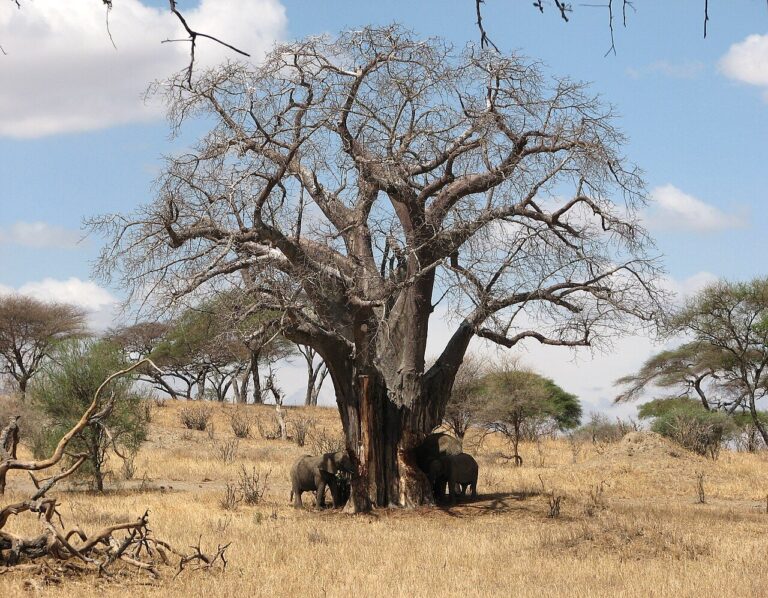
Drive southwest into Tarangire, where baobabs, riverine woodland and seasonal wetlands create a very different first landscape from the Serengeti plains. Enter the park for an afternoon game drive and settle into a camp positioned for the following day rather than treating Tarangire as a hurried stop.
Day 3 — Tarangire in depth
Spend a full day reading the park with your guide. During the dry season, the Tarangire River and remaining water draw wildlife from the wider ecosystem; greener months bring different birdlife, light and distribution. The day can be paced around early and late field time, with a break when heat and conditions make that sensible.
Day 4 — Tarangire to the Ngorongoro highlands
Leave Tarangire after breakfast and travel towards the Rift Valley and Ngorongoro highlands. Depending on the confirmed lodge and timing, pause around Mto wa Mbu or Karatu before continuing to the crater area. A rim property offers position for the next morning; Karatu often offers more space, gardens and value. We explain that trade-off in the quotation.
Day 5 — Ngorongoro Crater
Descend early for a carefully paced crater drive. The caldera concentrates wildlife and visitors, so timing and guide judgement matter. Allow time for the grasslands, marshes and forest rather than racing between reported sightings, then return to the highlands for a second night.
Day 6 — Ngorongoro to the Serengeti
Travel west through the conservation area and enter the Serengeti. The road is part of the safari: volcanic highlands open into plains, gate formalities take time and wildlife can change the transfer into a field day. Reach the first Serengeti camp in the afternoon. Central Serengeti is often the dependable anchor because its rivers and resident wildlife remain productive across the year.
Day 7 — Central Serengeti
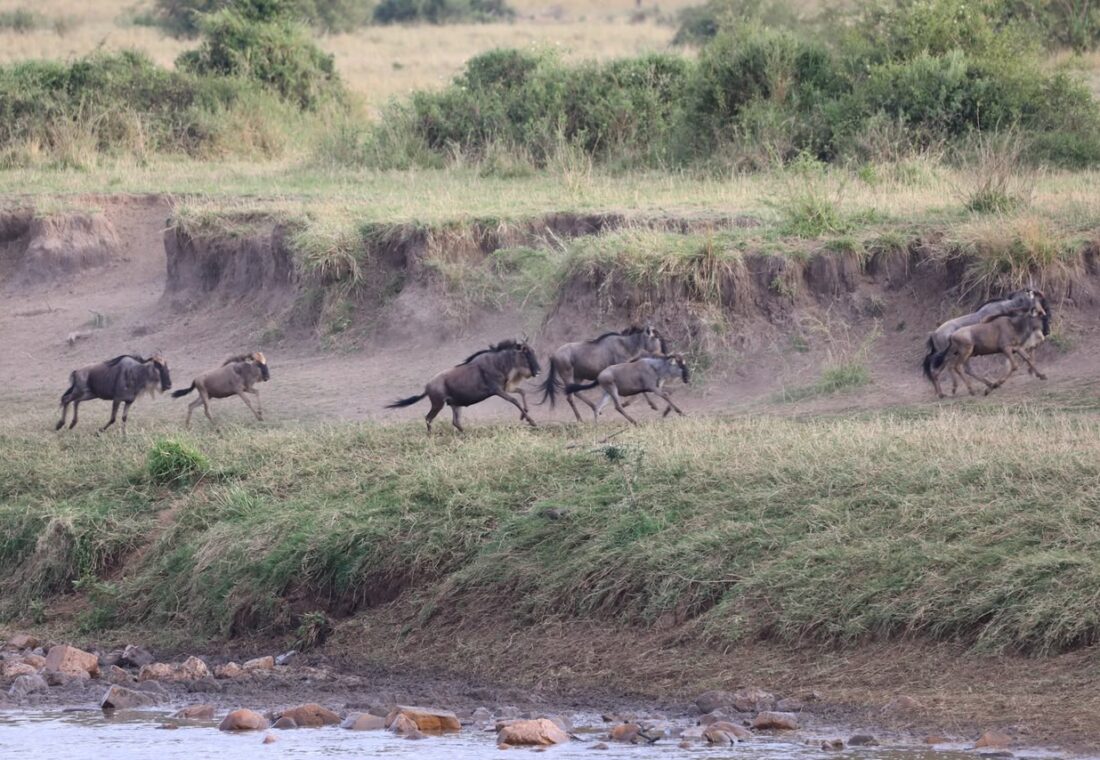
Use a complete day around the river valleys and plains of the central ecosystem. This is good country for patient observation of predators and resident game. A private vehicle lets the guide respond to tracks, weather and your interests instead of following a fixed group timetable.
Day 8 — Move to the seasonal Serengeti region
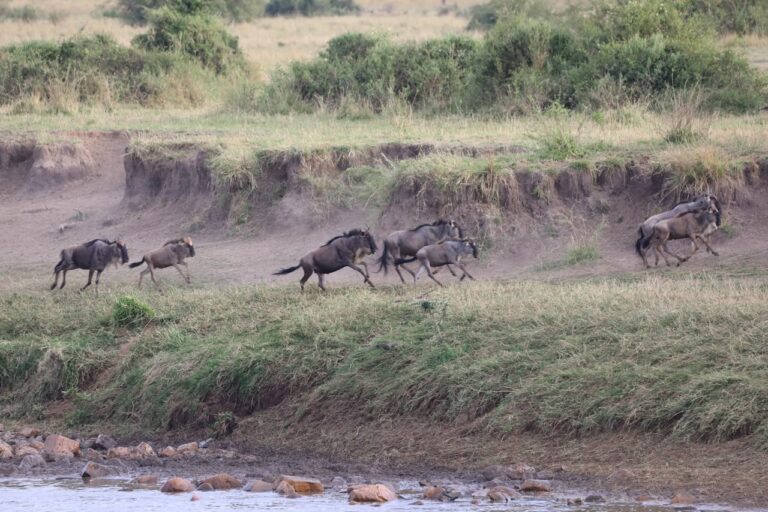
Move only when the second region earns the interruption. Broadly, southern plains and Ndutu suit the green and calving season; the Western Corridor becomes relevant as herds move west; northern Serengeti is often considered during the main dry-season migration period; eastern plains can be excellent for space and cats. Exact movement depends on rainfall, access and current field information.
Day 9 — Full day in the seasonal region
Spend a final unhurried field day from the second camp. There is no promise of an exact crossing or a staged wildlife event. The plan balances migration possibilities with the birds, predators and resident wildlife that make the Serengeti worthwhile even when the herds are elsewhere.
Day 10 — Fly to Arusha or Kilimanjaro
Transfer to the appropriate Serengeti airstrip and fly by scheduled light aircraft to Arusha or Kilimanjaro. Safari flights may make additional stops and normally require soft-sided luggage with strict weight limits. We recommend a sensible connection margin and, for many international schedules, a final night near Arusha or Kilimanjaro rather than relying on a tight same-day departure.
What is normally included
- Airport meeting and private transfers stated in the confirmed itinerary
- Private 4×4 safari vehicle and professional English-speaking driver-guide for the overland sector
- Accommodation and meals described in the final quotation
- National park and conservation-area fees stated in the quotation
- Scheduled Serengeti–Arusha or Serengeti–Kilimanjaro flight on Day 10
- Drinking water in the safari vehicle
Usually excluded
- International flights, visas and travel insurance
- Vaccinations, personal medication and medical expenses
- Premium drinks, laundry, gratuities and personal purchases
- Balloon flights, walking safaris or cultural visits unless specifically added
- Any accommodation or transfer after the Day 10 safari flight unless confirmed
Planning notes
This is a private framework, not a fixed migration claim. We may keep all four Serengeti nights in one region when that creates a better safari, or divide them between two regions when the month and flight pattern justify moving. Families, photographers and travellers with mobility or dietary requirements should tell us early so the vehicle, rooms and camp access are chosen properly.
Start a conversation
Enquire about 10-Day Tarangire, Ngorongoro & Serengeti Private Safari
Ask us a question about this trip. Only your name, email and message are required; you can add travel details if you have them.