Wilderness Alternative Expedition guide to Lake Naivasha
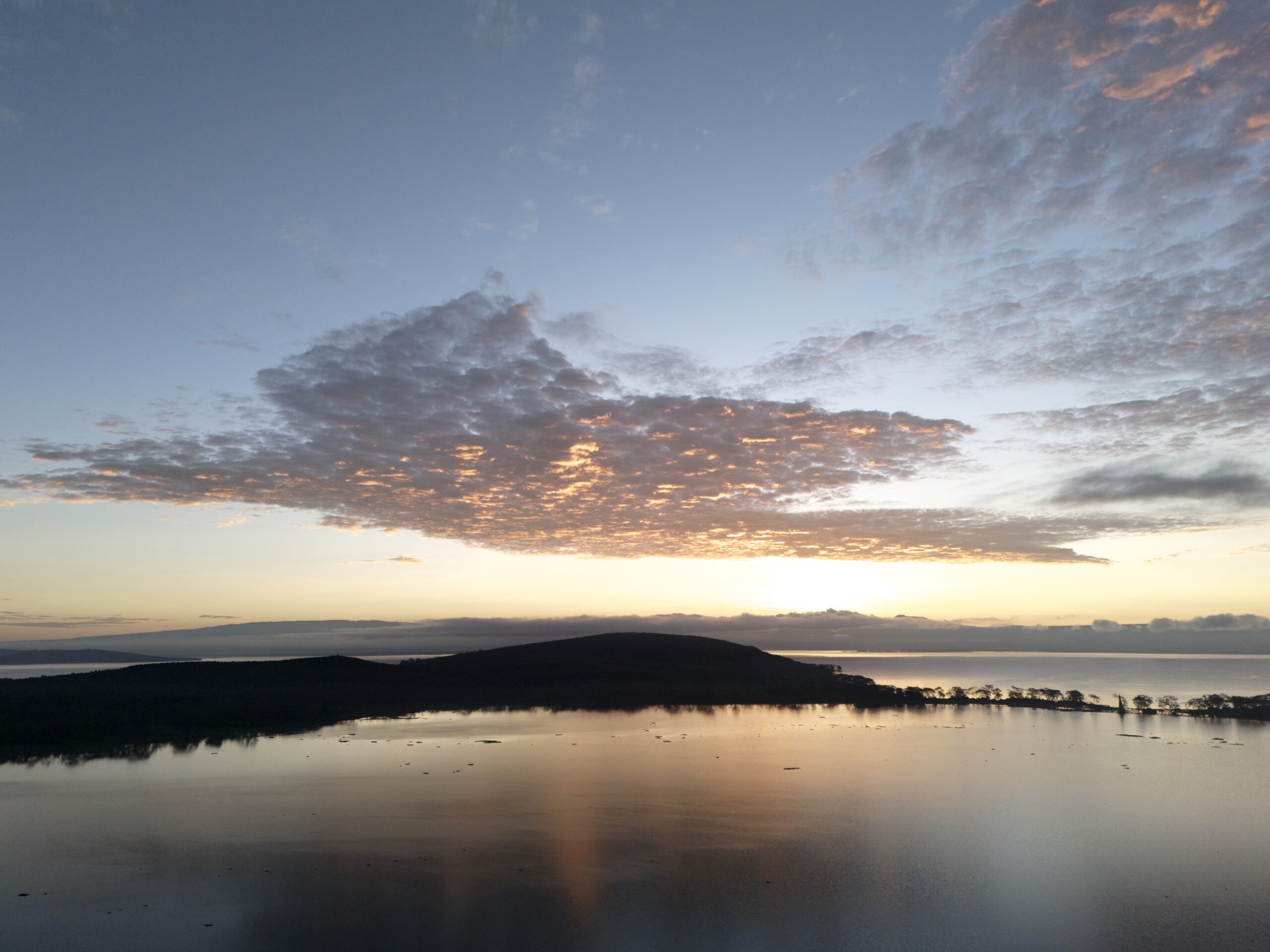
Lake Naivasha is the place to slow a Kenya safari down. Dawn comes through fever trees and papyrus; an African fish eagle calls across cold blue water; hippo breathe in the reeds before the day warms. The Rift Valley walls hold the horizon, while farms, fishing boats, geothermal steam and a fast-growing town remind us that this is not an isolated wilderness. It is a living freshwater system on which wildlife, workers, businesses and communities all depend.
Naivasha works best when it is treated as a destination rather than a lunch stop between Nairobi and the Maasai Mara. A boat journey, time on foot, a day in Hell’s Gate and a quiet evening beside the lake reveal very different layers of the same landscape.
A rare freshwater lake in the Rift Valley
Many lakes in the eastern Rift Valley are alkaline. Naivasha is shallow and fresh, supplied chiefly by the Malewa and Gilgil rivers draining the Aberdare highlands. It has no obvious surface outlet; underground movement of water is part of the explanation for its freshness. The lake and surrounding wetland form a Ramsar Site of international importance.
Its level is naturally variable. Water advances and retreats across an unusually broad riparian zone, flooding trees in some years and exposing fertile ground in others. Papyrus margins, submerged plants, open water, acacia woodland and smaller connected waterbodies create a complex wetland. The view from a lodge today may not match an old photograph because the shoreline itself has moved.
That dynamism is made more fragile by water abstraction, irrigated horticulture, urban growth, fishing pressure, pollution, invasive plants and changing rainfall. Naivasha’s flower farms and geothermal fields are part of Kenya’s economy; the lake is also habitat and a national freshwater resource. Responsible tourism begins by understanding that balance.
Boat safari: the lake at eye level
A small-boat journey is the classic Naivasha experience. From the water, the papyrus becomes a wall of sound and movement: pied kingfishers hover, cormorants dry their wings, jacanas step over floating vegetation, pelicans cruise in groups and African fish eagles watch from high branches. The strongest trip is not a rushed circuit built around feeding an eagle. It is a quiet exploration of habitat, light and natural behaviour.
Hippos require particular respect. They may rest in pods during the day, surface with little warning and move onto land after dark. Boats should keep a generous distance, never cut off a hippo from deeper water and never push into vegetation simply for a close photograph. We use established operators, require serviceable lifejackets and adjust or cancel when wind, visibility or the boat’s condition is unsuitable.
Wildlife must not be baited for pictures. Feeding fish eagles changes behaviour and teaches a visitor nothing about hunting. Kenny helps photographers work with natural flight paths, shutter speed, exposure against bright water and reflections instead.
Birding beyond the headline species
Naivasha is exceptional bird country because freshwater, marsh, woodland, grassland and nearby cliffs lie close together. Waterbird numbers and species change with lake level and season. Herons, egrets, grebes, ducks, geese, kingfishers, terns and waders use different margins; raptors patrol open ground; woodland around many properties holds sunbirds, woodpeckers, turacos and smaller migrants.
A birder benefits from two mornings: one on the lake and one on foot around a safe property or sanctuary. Exact species are never guaranteed, and old lists may not reflect a changing shoreline. A private guide can decide whether the better use of an hour is open water, papyrus, woodland or the cliffs of Hell’s Gate.
Walking among wildlife
Several private sanctuaries and lakeside properties offer guided walking where giraffe, zebra, antelope and other non-predatory wildlife occur. Crescent Island is the best-known example, but every walking area has its own rules, water access and animal distribution. Walking is not automatically harmless because large predators are absent. Buffalo and hippo can be dangerous, especially in thick vegetation or near shore.
We only arrange a walk with current permission and a competent local guide. Guests follow instructions, keep distance, avoid separating animals and never approach a hippo on land. The value is the change of scale: tracks, dung, plants, bird calls and the height of a giraffe become physical rather than viewed through a window.
Hell’s Gate National Park
South of the lake, Hell’s Gate National Park protects about 68 square kilometres of open valley, volcanic formations and geothermal landscape. Fischer’s Tower rises from the floor; tall cliffs hold nesting raptors; zebra, giraffe, buffalo and antelope move through country where visitors can cycle or hike on designated routes. With few large predators commonly encountered, the park offers a rare chance for active travel inside a Kenyan national park—but it is still wild country.
Cycling sounds simple until altitude, sun, wind, dust and hills are added. Bikes should be checked for brakes, tyres and fit; a support vehicle makes sense for families or mixed abilities. Walkers carry sufficient water, use sun protection and stay on approved routes.
The gorge system is vulnerable to flash floods, including rain falling beyond the visible cliffs. Access rules have changed after fatal incidents and may change again with weather and management decisions. We never promise entry into a gorge. Before each visit we confirm the open route with KWS, use required local guiding and immediately respect any closure.
Geothermal Naivasha
Steam rising around Olkaria is evidence of the active Rift Valley beneath the landscape. Geothermal development supplies a significant share of Kenya’s electricity and has altered parts of the visual and ecological setting. At the Olkaria Geothermal Spa, where current operations allow, visitors can bathe in managed pools after cycling or hiking. It is a leisure facility, not a natural hot spring hidden in wilderness, and opening arrangements should be confirmed.
For a thoughtful traveller, geothermal Naivasha is part of the destination’s larger question: how does a growing country secure energy, food, employment, water and habitat in the same basin?
Photography with Kenny
Lake photography rewards control of glare and movement. Kenny teaches guests to expose for a white bird against dark papyrus, pan with a low-flying fish eagle, use reflections without cutting them awkwardly, and keep a safe working distance from hippo. At Hell’s Gate, a wide lens explains the scale of the cliffs; side light reveals layers in volcanic rock; a cyclist or giraffe can give the valley proportion.
The flooded fever-tree scenes associated with Naivasha are not permanent compositions. Water levels, cloud and wind decide what exists on the day. The best photographs come from reading those conditions rather than trying to reproduce an old postcard.
How long to stay
One night gives a boat trip and a glimpse of the shore, but two nights are much better. They allow a full Hell’s Gate day, a calm morning on the water and room for weather to change. Three nights suit birders, families, photographers or travellers using Naivasha as a rest point between more vehicle-heavy safaris.
A same-day stop en route to the Mara often produces the weakest version of both destinations: a rushed boat ride and a late arrival on difficult roads. We recommend choosing fewer experiences and giving them time.
Getting there
Naivasha is reached by road from Nairobi across the eastern Rift escarpment. Journey time varies sharply with the start point, traffic, roadworks and weekend movement. The descent offers immense Rift Valley views, but roadside stops should be chosen for safety and genuine value.
For onward travel, roads connect to Nakuru, the central highlands and the Maasai Mara. A Mara transfer is longer and less predictable than many maps imply, especially when rain or congestion affects the final sections. Scheduled aviation options in the wider Naivasha area are limited and changeable; most itineraries use private road transport or route flights through Nairobi.
Where to stay
Lakefront lodges offer boat access, birdlife and evening atmosphere, but the exact shore changes with water level. Properties around Moi South Lake Road are convenient for Hell’s Gate. Smaller houses and conservancy-style stays suit private groups, while town hotels prioritise access and value over a wilderness setting.
We ask practical questions: Is the water’s edge safely managed after dark? Are hippos known to use the grounds? Does the property provide lifejackets through a reliable boat operator? How long is the drive to Hell’s Gate? Children should never move around a lakeside property unsupervised at night.
Best time to visit
Naivasha is a year-round destination at roughly 1,890 metres, with cool mornings and evenings even when the valley floor feels warm by day. Drier periods favour cycling and firm tracks; wetter months bring richer colour, changing birdlife and dramatic weather. Afternoon wind can roughen the lake, so boat trips are usually best planned early.
Lake level, wind and local rain matter more to the experience than a universal “best season”. Weekend demand from Nairobi can affect atmosphere and availability, particularly at popular properties.
Combining Naivasha well
Naivasha is a natural pause between Nairobi and the Maasai Mara, but it should receive enough time to justify the detour. It can also follow the Mount Kenya region as part of a central highlands and Rift Valley route, or precede a longer southern circuit towards Amboseli.
Responsible travel at Lake Naivasha
- Use a licensed, well-maintained boat with a lifejacket for every passenger.
- Never pressure a captain to approach hippo, nests or birds more closely.
- Do not feed fish eagles or other wildlife for photographs.
- Keep away from the shoreline after dark unless escorted under property rules.
- Use qualified guides for wildlife walks and obey every Hell’s Gate closure.
- Choose properties and operators that manage waste, water and riparian access responsibly.
Lake Naivasha FAQ
Is a boat safari safe?
It can be when the boat, captain, weather and lifejackets are appropriate and hippos are given space. We do not operate in unsafe wind or visibility.
Can we walk near giraffe and zebra?
Yes, in authorised private sanctuaries with a local guide. It is not an unrestricted walk, and buffalo or hippo risk must still be respected.
Can we cycle in Hell’s Gate?
Yes, on current approved routes. Fitness, bike condition, heat, water and wildlife instructions matter; a support vehicle can be arranged.
Is the gorge always open?
No. Access depends on KWS rules and weather because flash floods can be deadly. We confirm the current position and never override a closure.
How many nights do we need?
Two nights give the best first visit: one full day for Hell’s Gate or walking and a separate early boat trip.
Plan a private Rift Valley stay
Tell us your dates, interests, group ages and onward route. We will balance boating, birding, walking and Hell’s Gate around safe operating conditions rather than forcing every activity into one rushed day.
Plan Lake Naivasha with Wilderness Alternative Expedition
Lake level, wildlife sightings, boat operations, walking access and Hell’s Gate routes depend on natural conditions, current regulation and confirmed local operations.