Wilderness Alternative Expedition photography-led safari
This is not the standard three-day itinerary with a camera added to the title. Four days create repeated dawns, slower observation, time to revisit subjects and space for Kenny to teach what he has learned photographing wildlife from the guide’s seat. Phone users, beginners and experienced photographers are all welcome; the day is shaped around seeing better before shooting more.
Why four days
Wildlife photography depends on return chances. Cloud may hide Kilimanjaro, dust may rise late, elephants may approach from the wrong side of the light, or a promising subject may need an hour before its behaviour becomes clear. Three nights give the safari several early and late sessions without turning every movement into a race.
At a glance
- Four days and three nights
- Very low vehicle occupancy, generally around four guests or fewer
- Private Land Cruiser with room for equipment and clean shooting angles
- Field teaching with Kenny when confirmed
- Suitable for cameras and phones; no competition-level experience required
What Kenny teaches in the field
Settings are only the beginning. Kenny works through behaviour, timing, light, focal length, exposure, phone technique, ethical vehicle position and the judgement required to wait. He does not promise a clear mountain, a particular species or a prize-winning frame. He gives guests a better way to meet whatever the landscape offers.
Accommodation that supports the route
The same itinerary can be built with well-chosen mid-range, premium or luxury accommodation. Location matters as much as the room: a camp close to the right gate can protect the best morning light, while a property farther from the park may trade access for privacy, space or a different landscape. We recommend the final combination after knowing your dates, room needs, comfort level and photographic priorities.
Your safari price
Private safari — priced for your dates, group and accommodation.
The final quotation reflects season, group size, room configuration, selected properties, park fees, vehicle requirements and any optional activities. We do not force a fixed public price onto a journey whose real cost changes with the way it is designed.
What the confirmed proposal can include
- Private safari transport and game drives in a custom Land Cruiser with photography-friendly occupancy
- An experienced Kenyan safari guide
- Accommodation and meals described in the final proposal
- Park fees and transfers explicitly listed in the quotation
- Drinking water in the safari vehicle
Usually not included
- International flights, visas and travel insurance
- Tips, personal purchases and premium drinks not included by the property
- Optional activities unless confirmed in writing
- Any service not listed in the final proposal
Explore the Amboseli guide · Wildlife and elephants · Photography in Amboseli · Plan your Amboseli safari · Where to stay
Wildlife movements, sightings and clear views of Kilimanjaro are natural possibilities, not guarantees. The daily plan remains responsive to current conditions, guest comfort and sound guiding judgement.
Day-by-day itinerary
Day 1 — Nairobi to Amboseli: prepare before the first frame
Leave Nairobi early and use the road south for a practical briefing: equipment access, dust protection, camera readiness, phone settings and the ethics of positioning around wildlife. Arrive, settle in and take the first afternoon drive without trying to make every image immediately. Kenny begins by watching how each guest works and explaining how route, wind and light influence the possibilities.
Day 2 — Mountain light, elephants and exposure decisions
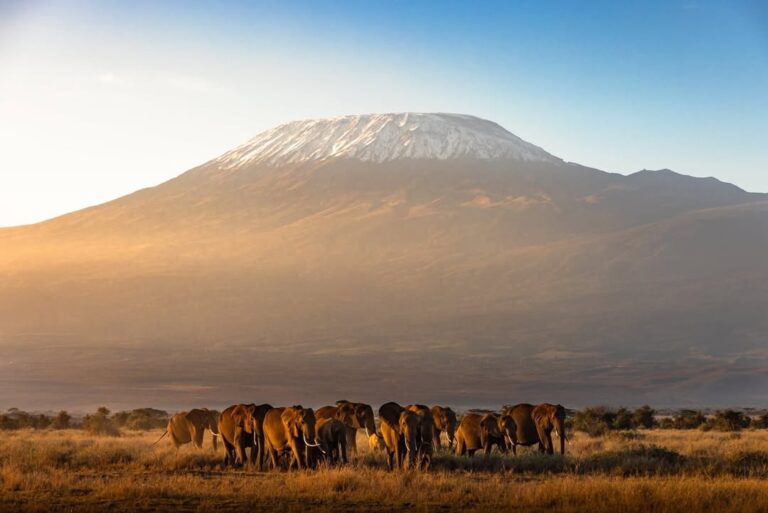
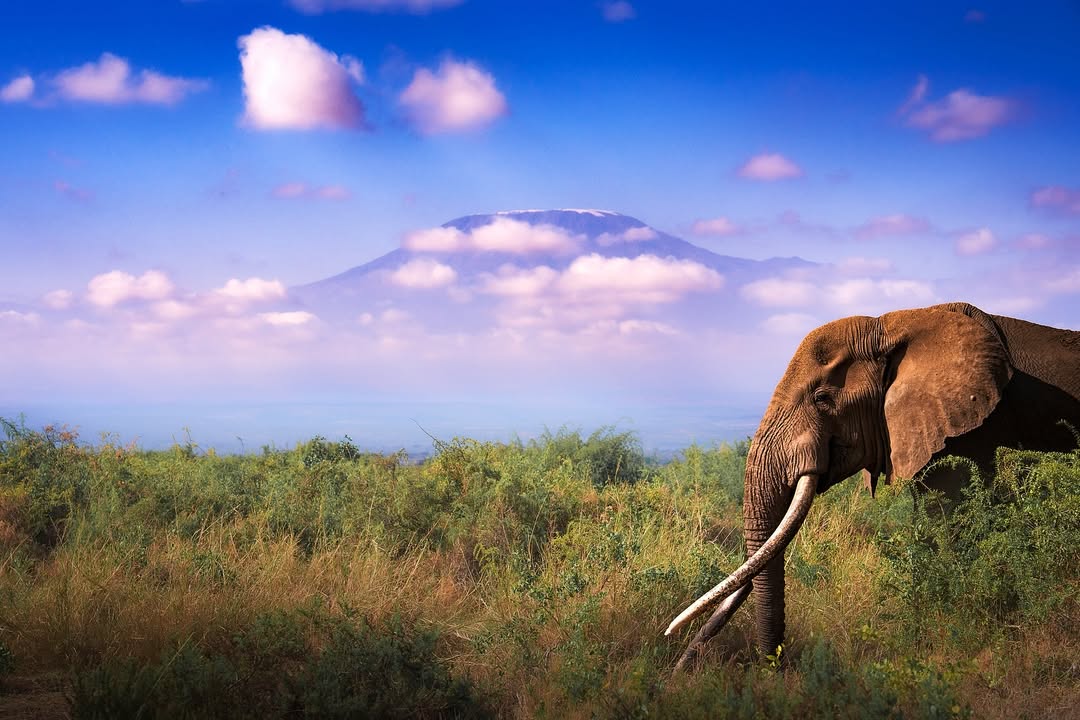
Start before sunrise and position for the best available relationship between light, landscape and wildlife. Kilimanjaro may be clear, partly veiled or absent behind cloud; the lesson is to photograph the day that exists. Work on shutter speed for walking animals, exposure compensation against bright sky, focal-length choices and leaving space for movement.
At the wetlands, slow down. Elephant behaviour matters more than constant shutter release. Read family spacing, feeding direction and signs that an animal needs room. Rest through the harshest light or use camp time to review a small number of images, then return for dust, backlight and longer evening shadows.
Day 3 — Behaviour, patience and a different sector
Choose a contrasting area according to conditions. The morning may focus on a herd crossing open ground, birds in clean light, a predator moving after night activity or smaller subjects often ignored on faster safaris. Kenny helps guests anticipate rather than react: where a subject is likely to move, when to lower the camera and how to avoid blocking another vehicle’s view.
The afternoon is deliberately flexible. Return to a developing situation, seek a stronger composition than the previous day or work with phones and wider environmental frames. The aim is a more thoughtful set of photographs, not a larger file count.
Day 4 — Final dawn and Nairobi
Use the last morning to apply the field lessons with less instruction and more independent decision-making. Revisit a successful technique or search for a missing visual chapter. After breakfast, pack equipment carefully and return to Nairobi, with optional follow-up image review arranged separately when practical.
Start a conversation
Enquire about 4-Day Amboseli Photography Safari — Learn the Field with Kenny
Dates, group size and a rough idea are enough. Tell us where you would like to go and what matters most; we will reply with honest advice and a clear next step.