
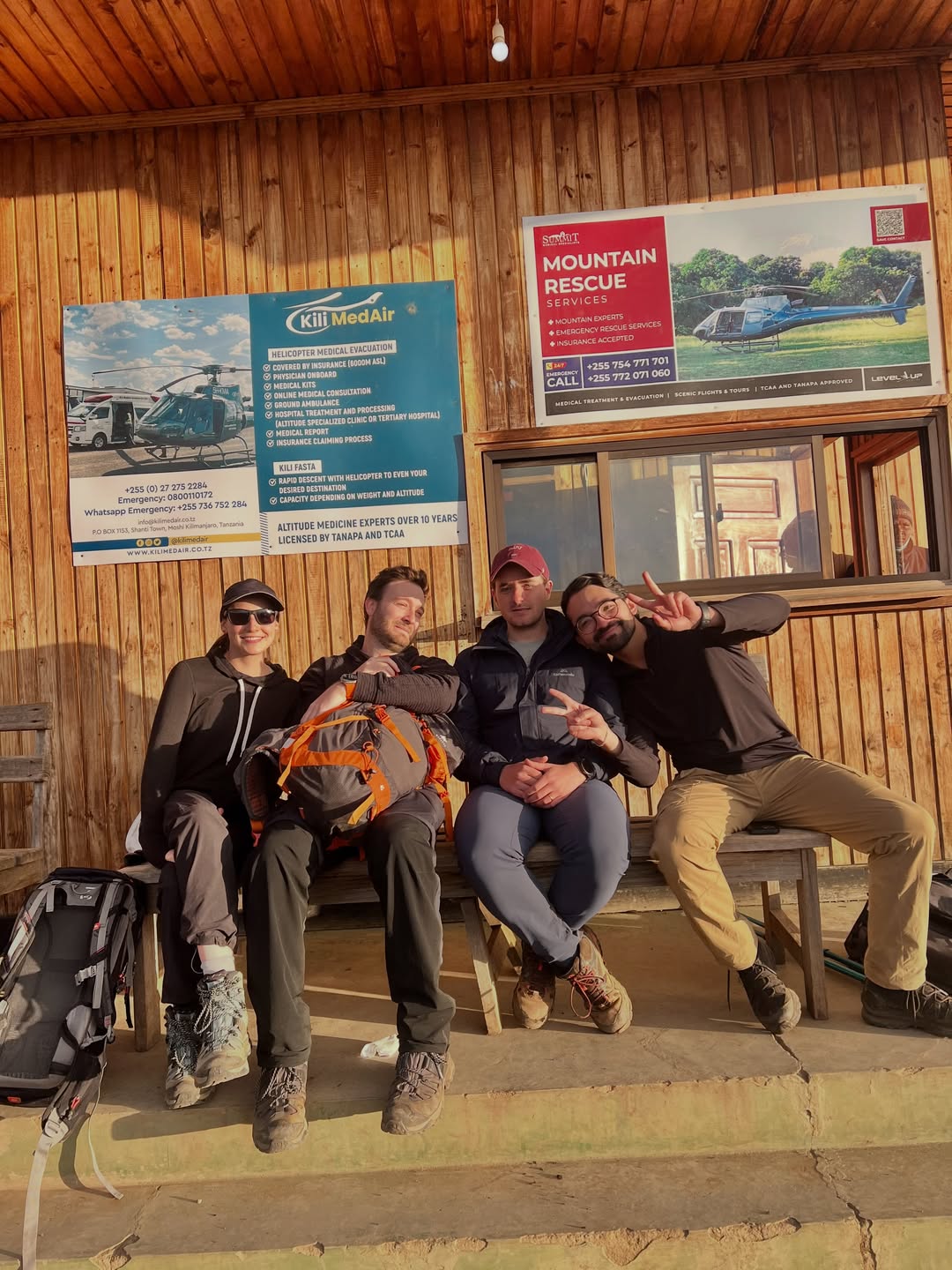
Moshi is the working base for Kilimanjaro. Good access planning protects the briefing, equipment check and first day from flight delays and rushed transfers.
Kilimanjaro International Airport is the main gateway for Moshi and Arusha. Domestic services connect with Dar es Salaam and Zanzibar. Road travel is possible from Nairobi and Arusha, with honest allowance for traffic, immigration and border procedures.
Choose the airport and allow a delay margin
Arrive with at least one full pre-climb night. Carry boots, medication and essential layers in hand luggage. Retain a recovery night after descent. Wilderness Alternative’s small Moshi presence supports transfers, guide coordination, equipment checks and briefing.
Confirm the selected route, number of mountain days, hotel nights, gate transfers, baggage system and equipment inclusions in writing. Insurance must cover trekking to 5,895 metres, evacuation and medical treatment. Keep the policy, emergency number, passport copy and personal medication accessible without internet.
The gate and route determine transfer times
Lemosho and the Northern Circuit give more time for gradual adaptation. Machame is strong over seven days. Rongai crosses the northern side; Marangu uses huts; Shira starts high; and Umbwe climbs aggressively. Advice only becomes useful when applied to the actual camp sequence.
Use a full day for briefing and equipment
The pre-climb briefing should be a working session. The guide needs to see equipment, explain the route and symptoms, confirm the duffel limit and describe daily health observation, emergency descent and crew systems. Rental zips, soles, waterproof fabric, pole locks and sleeping-bag loft must be inspected before the gate.
Wilderness Alternative maintains a small operational presence in Moshi for guide contact, transfers, equipment checks and local coordination. It is a practical base rather than a large office. Exact prices will follow only after each commercial itinerary, inclusion and crew system is matched.
Keep travel documents and emergency contacts accessible
Establish repeatable habits from the first day: walk slowly, protect skin, change wet layers, eat while appetite is good, drink regularly and prepare tomorrow’s equipment before entering the sleeping bag. Report headache, nausea, cough, unusual fatigue, poor balance and medication use. A commercial schedule never obliges the guide to continue upward.
Ask what every transfer includes
- How many days are actually on the mountain?
- Which camps, summit approach and descent corridor are used?
- How are health checks, oxygen and emergency descent handled?
- Which equipment and private toilet systems are included?
- How are porter loads, wages, food, shelter, medical care and tips managed?
Travel plans that create avoidable pressure
Avoid landing late and climbing next morning; assuming Nairobi–Moshi time excludes the border; inspecting rental gear at the gate; booking a same-night international flight after descent. The correction is to keep route, health, crew, equipment and transport connected as one expedition rather than separate marketing claims.
Keep a recovery night after descent
Do not place a long international flight or dawn safari transfer immediately after summit day. A night in Moshi allows time to eat, wash, sleep and deal with wet equipment.
Arrival timing affects the first mountain day
A delayed bag or late flight can remove the only useful equipment-check window. Carry boots, medication and essential layers in hand luggage, and keep enough time in Moshi to solve a problem before the gate.
Read the transfer plan as part of the itinerary
Check airport, hotel, gate, border and post-climb transfers with realistic driving times. Travellers arriving through Nairobi should allow for immigration and the Kenya–Tanzania border rather than treating it as a short local transfer.
Arrival question
Which airport is closest to Kilimanjaro?
Kilimanjaro International Airport is the main gateway for Moshi and Arusha. The final choice depends on flight schedules, baggage, the wider Tanzania journey and whether the traveller is also coming through Nairobi or Zanzibar.
Next, compare the Kilimanjaro routes and the equipment to keep in hand luggage.