REEF LAGOONS • MIDA CREEK • COASTAL FOREST
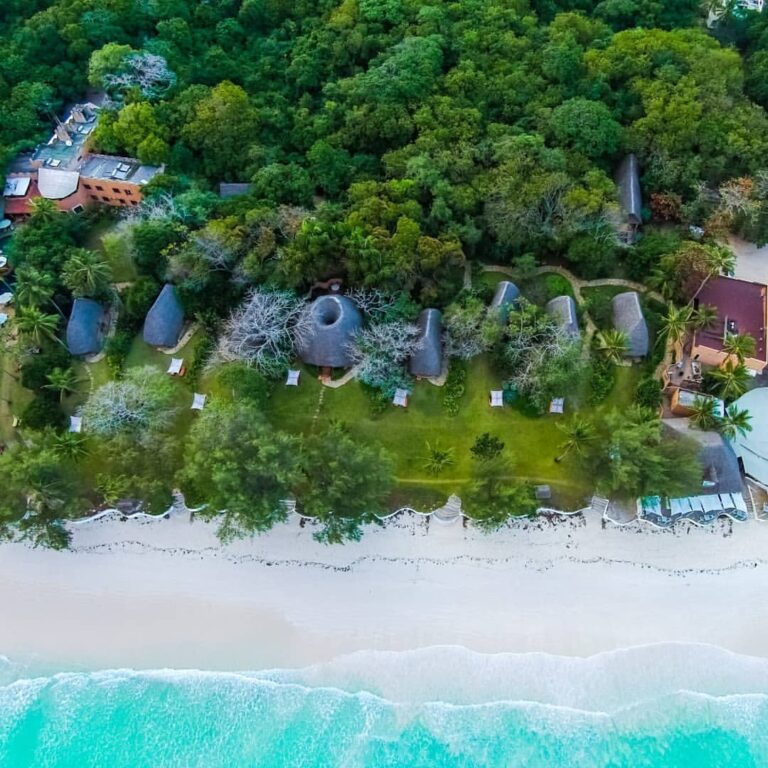
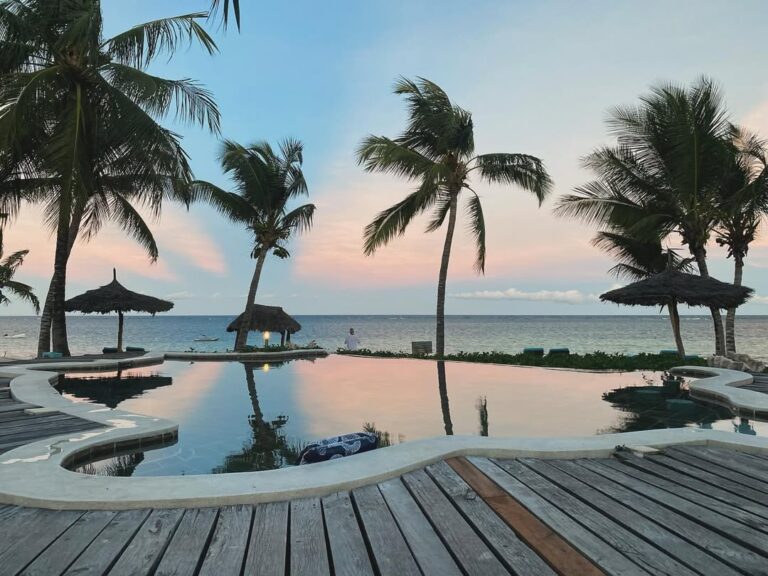
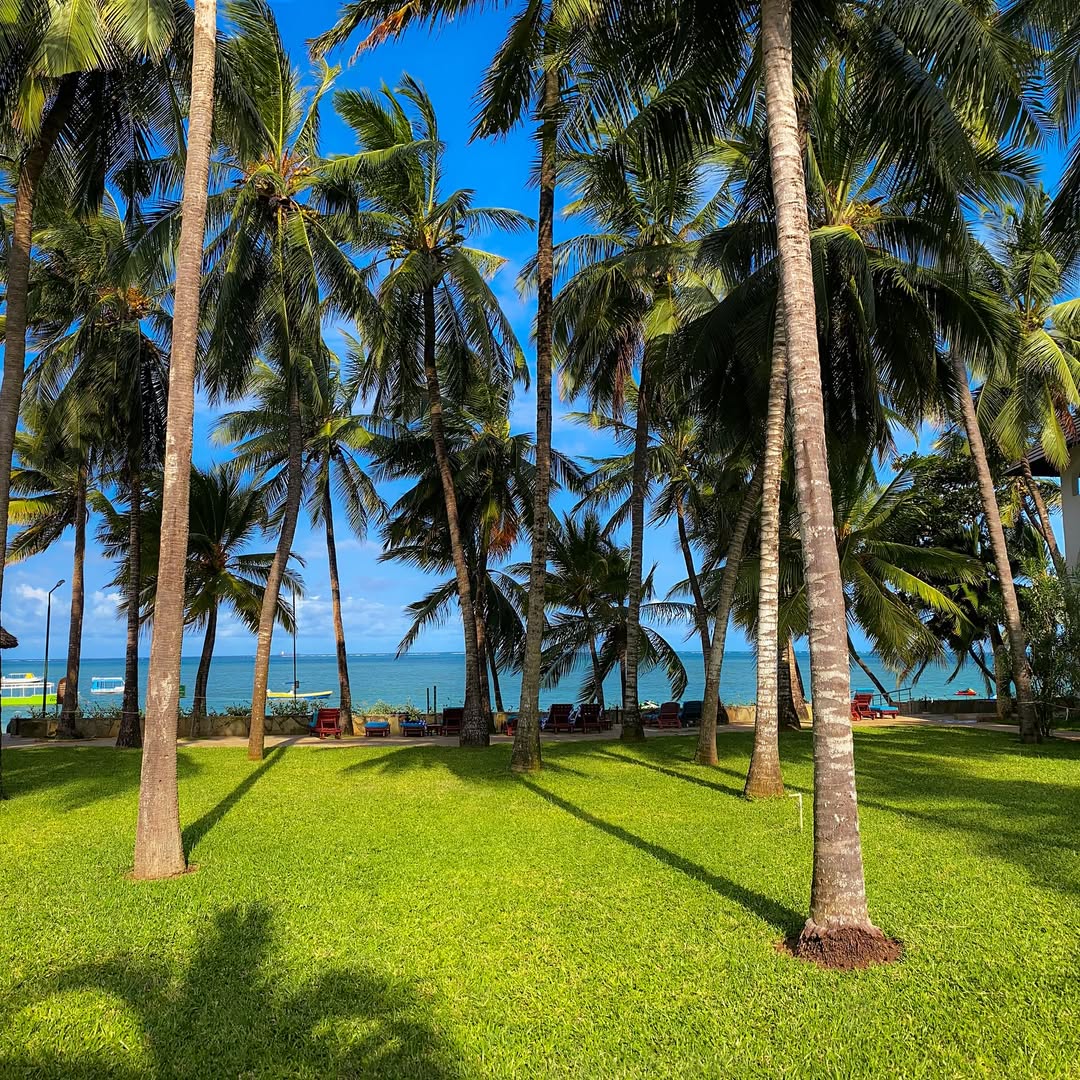
Watamu’s character is written in enclosed water. Reef turns ocean swell into lagoons; mangroves turn the tide into a forest; seagrass connects turtles, fish and creek. The beach is only the visible edge of a much larger protected landscape.
A small coast with unusual range
Watamu lies south of Malindi on a series of bays protected by reef. It feels smaller than Diani, but not like a reduced version of it. Here the marine park, turtle conservation, Mida Creek, Arabuko-Sokoke Forest and the historic town of Gedi sit close enough to shape one destination. A guest can snorkel in the morning, watch tidal water move through mangroves in the afternoon and enter a coastal forest the next day.
The settlement is dispersed rather than centred on one formal town square. Hotels, villas, restaurants, dive centres and residential areas follow roads between beaches and creek. Location affects everything: walking access to a particular bay, vehicle time to Mida or Gedi, restaurant choice and exposure to wind. “Watamu beachfront” does not mean every property faces the same swimming conditions.
Watamu suits travellers who enjoy nature with interpretation. It is strong for families when accommodation and lagoon conditions are chosen carefully, for divers and snorkellers, for birders and for guests interested in conservation. It can also be a quiet premium beach stay, but the place becomes richer when the days extend beyond a sunbed.
Watamu Marine National Park
Watamu Marine National Park and Reserve were gazetted in 1968, making the area one of Kenya’s earliest marine protected landscapes. KWS describes the national park core as approximately ten square kilometres and a no-take zone. The surrounding reserve, including Mida Creek, permits controlled uses under a different management framework. Together with Malindi’s protected waters and Arabuko-Sokoke, the area belongs to a wider biosphere of international importance.
Reef, seagrass, sand, coral gardens and channels support turtles, dolphins, reef fish, rays and seasonal larger marine animals. The phrase “Marine Big Five” is useful marketing shorthand, not a guarantee that one boat day produces turtles, dolphins, whales, whale sharks and billfish. Wildlife moves according to food, season, water and chance.
Snorkelling
Some lagoon areas allow accessible snorkelling in suitable tide, while boat trips reach selected reef sites. Low tide can make parts too shallow or expose coral; higher water can improve access but change current. Beginners benefit from flotation and a guide. Everyone should keep fins away from coral, avoid fish feeding and give turtles space to breathe and change direction.
Diving
Watamu has established dive operations serving reef sites of varied depth and character. Certification, recent experience, weather and current should determine the site. Beginners can train with recognised professionals; experienced divers should still accept a conservative local briefing. Ask about equipment maintenance, oxygen, communications, group size, park fees and what happens if sea conditions cancel a departure.
Turtles and conservation
Green and hawksbill turtles use Watamu’s feeding and nesting habitats. Recognised conservation organisations conduct rescue, rehabilitation, nest monitoring, research and community work. Guests should visit through legitimate programmes rather than seek handling opportunities. On nesting beaches, lights, noise and footprints can affect females and hatchlings. Never touch or direct a hatchling unless an authorised team asks for help.
Whales, dolphins and larger life
Humpback whales may pass the coast seasonally; dolphins occur locally; whale sharks and billfish are possible in the wider region. All sightings depend on nature. Boats should approach slowly, avoid surrounding animals and limit encounter time. A responsible cancelled outing is better than a boat forcing poor weather or chasing wildlife for a promised photograph.
Mida Creek: the tide inside the forest
Mida Creek is not a river mouth in the usual sense but a broad tidal inlet where seawater enters mangrove channels and exposed flats. At high tide, water lifts boats into narrow passages and brings fish into the forest. As it falls, mudflats appear and feeding birds spread across the creek. The entire view changes by the hour.
Guided canoe, boat, boardwalk and sunset experiences are available through local organisations and operators. The choice depends on tide, comfort and desired pace. A canoe can enter quietly but offers little shade. A larger boat suits some families but may not reach the smallest channels. Birding is often best with a specialist who knows the tide as well as the species.
Mangroves are nurseries, shoreline protection and carbon-rich forests, but they are also resources and working landscapes for surrounding communities. A visit should explain that relationship rather than using “community” as decoration. Confirm who benefits from fees, how guides are trained and whether the activity follows permitted routes.
Arabuko-Sokoke and Gedi
Arabuko-Sokoke Forest
Arabuko-Sokoke is one of East Africa’s most important remaining coastal forests, protecting habitats and species found in few other places. Birders come for highly localised forest species; mammals include the golden-rumped elephant shrew and other animals that are difficult to see. A specialist guide reads calls, tracks, plants and forest type. Sightings should never be promised.
Forest walks can be hot and insect-rich. Wear closed shoes, carry water and start early. Photography often requires high ISO and patience beneath a dark canopy. The value of a visit is not measured only by a rare-species checklist; learning how this forest survived and how surrounding livelihoods connect to it is part of the experience.
The Historic Town and Archaeological Site of Gedi
Gedi—often written Gede locally—was a Swahili town connected to Indian Ocean trade, now enclosed by forest near the main road. Mosques, houses, a palace, wells and town walls reveal urban planning and social hierarchy. Archaeological finds demonstrate long-distance exchange. Its abandonment should not be filled with invented curses or easy mystery; archaeology and documentary research offer a more compelling story.
National Museums of Kenya manages the site, now internationally recognised as the Historic Town and Archaeological Site of Gedi. A guide helps distinguish building phases and domestic from religious space. Morning gives cooler walking and softer light. Monkeys may be present but should not be fed.
Where to stay and eat
Watamu ranges from large family resorts to boutique hotels, villas and high-end private houses. A property facing a sheltered bay may offer easier lagoon access; an exposed beach may have stronger wave and wind character. Villas need clear arrangements for chef, shopping, transport, pool safety and beach access. Divers should compare distance to their operator and departure point. Families should verify room layout, pool barriers, children’s meals and medical access.
Food reflects Swahili and Italian-Kenyan influences alongside resort cooking. Seafood, coconut, pizza, pasta, gelato and contemporary menus coexist. Ask what is locally landed and seasonal. Popular restaurants can require transport and reservations. Guests with allergies should discuss shellfish, nuts and coconut before ordering.
Getting there and planning well
Malindi Airport is the nearest scheduled air gateway. Road transfers from Mombasa follow the north coast and can vary considerably with traffic. The Madaraka Express reaches Miritini outside Mombasa, not Watamu, so a long onward transfer remains. Connections from safari may route through Nairobi or use Malindi according to the current airline schedule.
Four nights gives a beach day, marine day and one inland experience; five or six is more resilient to weather and supports slower family travel. December to March is often hotter and drier. July to October can be cooler and may coincide with seasonal whale movement. Rain, wind and visibility vary, so a marine itinerary should keep alternatives.
Safety, ethics and photography
Use verified marine operators, life jackets and honest ability assessments. Do not swim alone in unfamiliar channels. Follow current advice about night movement and valuables. Reef-safe behaviour matters more than a product label: avoid physical coral contact, reduce waste and choose operators whose actions match their conservation claims.
For photography, an elevated viewpoint or drone can reveal lagoon structure, but drone permission must account for aviation, marine wildlife, protected areas and privacy. Underwater photographers should control buoyancy before approaching coral. At turtle projects, conservation protocols take precedence over the image.
Frequently asked questions
Watamu or Diani?
Watamu is stronger for a compact reef–creek–forest story; Diani offers a longer resort beach and broader activity infrastructure. Both support diving and family travel.
Can I see turtles?
Turtles use Watamu’s marine habitats, but sightings are not guaranteed. Conservation visits should follow recognised organisations and never be built around handling animals.
Is Mida Creek suitable for children?
Often, with the right boat, life jackets, shade and tide. Discuss age, swimming ability and duration with the operator.
How many nights?
Four is useful; five or six gives weather flexibility and room for both marine and inland days.
Can I combine Watamu and Malindi?
Yes. They are close enough to combine, but each has a different identity. A Watamu base with a focused Malindi day may suit some travellers; others prefer nights in both.
Plan a Watamu journey
Tell us whether reef, diving, turtles, birding, archaeology or family time matters most. We will match the base, tide and specialists rather than giving every guest the same marine day.