
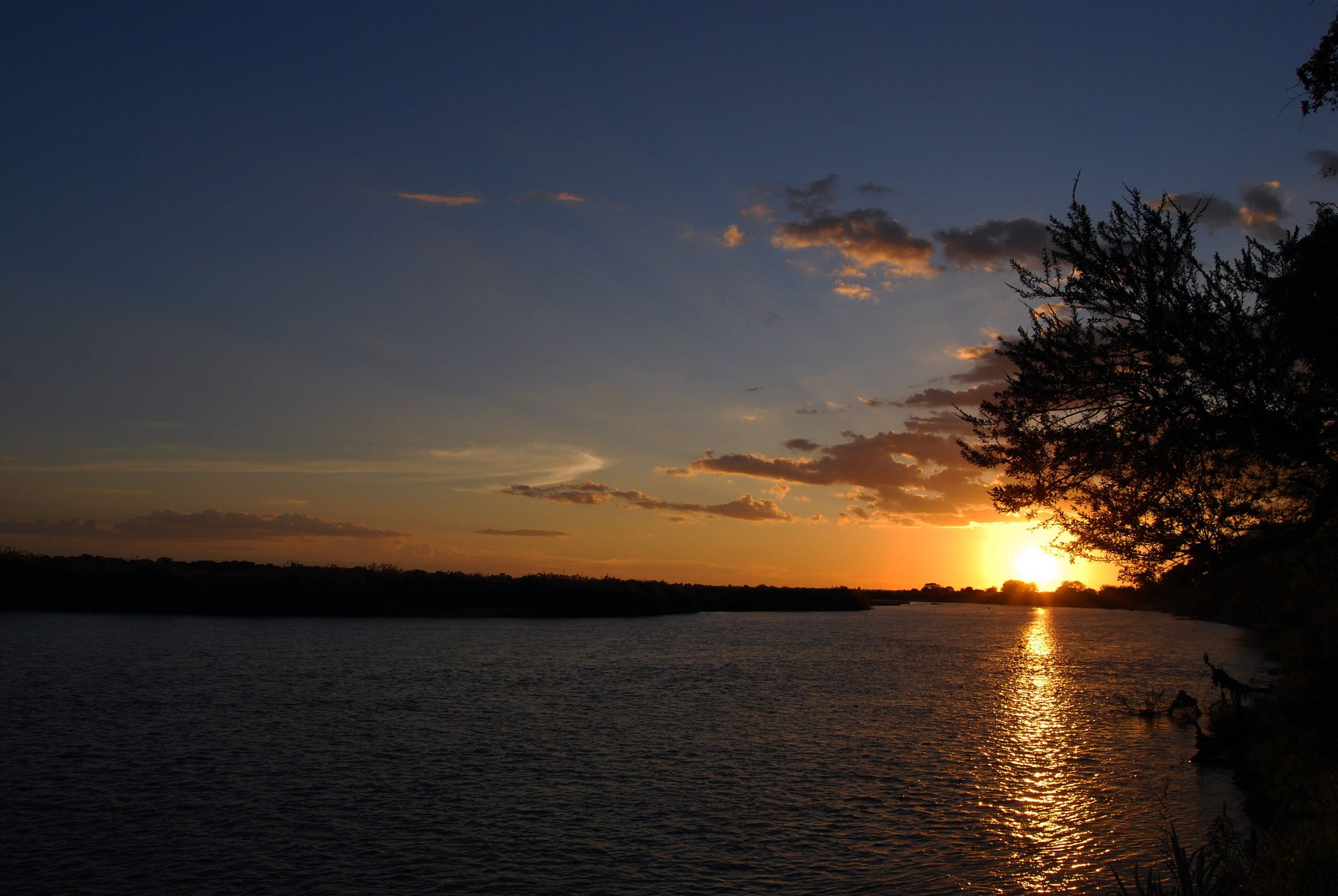
Nyerere is a vast national park, but most visitor activity is concentrated in its northern photographic sector around the Rufiji River and connected lakes. Here, water changes the safari. Hippos, crocodiles and birds occupy channels that cannot be read from a vehicle, while woodland and floodplain hold the larger terrestrial story. A good stay uses that contrast rather than repeating the same drive each day.
The park was formed from part of the former Selous Game Reserve, so older maps, image captions and lodge histories may still use “Selous”. We use the current Nyerere name for the national park and explain the historical reference where it prevents confusion.
River, lake and land
Boat safaris are one of Nyerere’s defining experiences, but they depend on the camp, departure point, water level and park rules. They are strongest for atmosphere, birding and a lower view across the river rather than as a replacement for vehicle time. Game drives explore palms, miombo, lakes and open ground where wild dogs, lions, elephants and plains game may be found. No species is guaranteed, and the size of the landscape rewards patient guiding.
Guided walking can change the scale again, focusing on tracks, plants, insects and the decisions animals make through the bush. It must be led by authorised professionals and matched to age, fitness, weather and current permissions. We confirm it as an operational detail, not a decorative itinerary phrase.
Where to base
Camp position matters because the river system is large and airstrips are not interchangeable. Some camps sit directly on a main channel; others are near lakes or outside the park boundary. Activity inclusions, transfer times and whether drives enter through a gate all need to be checked.
Rufiji River Camp is a useful example of a river-focused base. Its setting supports boat, vehicle and walking possibilities, subject to current operations. A three-night stay introduces the landscape; four or five nights gives the guide more freedom around weather and animal movement.
Access and flight reality
Most international travellers connect by light aircraft from Dar es Salaam or Zanzibar. Flights may make intermediate stops and operate to several Nyerere airstrips. Soft baggage and strict weight limits are common. A short-looking line on a map can still involve waiting, multiple landings and a vehicle transfer at the far end.
Road access is possible in some plans but is long and seasonally variable. It should be chosen for a reason, not simply because it appears cheaper before vehicle and time costs are included.
Seasonality
June to October brings progressively drier conditions and greater dependence on permanent water. Later dry-season days can be hot. The rains turn the park green and bring strong birding, but camp closures, road conditions and flight patterns vary. We verify the selected camp’s exact operating season before proposing a green-season safari.
Who Nyerere suits
Nyerere suits travellers who want activity variety and who enjoy rivers as much as predator sightings. It combines particularly well with Ruaha for contrast, or with Zanzibar when flight schedules align.
A river safari with room to change pace
Nyerere’s safari area is organised around the Rufiji River and a chain of lakes, channels, woodland and open ground. The water is not decoration. It changes how the day works: hippo and crocodile from a boat, birds at eye level, elephant coming to drink, then a game drive or walk that returns you to the scale of the woodland.
Where you stay changes what you see
This is a huge ecosystem. Camps near different lakes and river sectors do not share the same access, scenery or wildlife pattern. A beautiful lodge can still be poorly placed for a specific interest. We look at the operating area, boat access, airstrip transfer and the balance between river and inland habitat before recommending it.
Boat, vehicle and foot
Boating
Late afternoon on the Rufiji can be one of Tanzania’s most atmospheric safari experiences. Boats vary by camp, water level and licensing. It is a wildlife activity, not a high-speed transfer, and the guide must judge current, channels and animal distance.
Game drives
Drives connect lake edges, woodland and plains. Wildlife may be more dispersed than in a crater or peak migration area, which makes tracking and patient observation important. Wild dogs are a major draw but remain wide-ranging and never guaranteed.
Walking
Walking shifts attention to tracks, plants, birds and the decisions animals make. Routes, group ages and minimum age rules vary. We confirm what the chosen camp can legally and safely provide before describing a walking safari.
Wildlife without a checklist
Elephant, buffalo, giraffe, lion, hippo, crocodile and abundant birdlife are part of the landscape. Nyerere also supports wild dog and other predators, yet this is not a park to rush between names. Its strength is the combination of water, woodland and space.
When to travel
The drier months generally improve road access and draw wildlife towards water. As rains build, the park becomes greener and birding strengthens, but some roads and camps close. Water levels can also alter boat routes. We check the specific camp season rather than making one statement for the entire park.
Three nights or four?
Three nights gives a first experience of different activities. Four or five lets weather, wildlife and pace breathe—especially when arrival and departure flights reduce the usable hours. Travellers combining with Ruaha should avoid reducing both parks to short stops.
From Nyerere to the coast
Scheduled flights can connect through Dar es Salaam and, on selected services, towards Zanzibar. The apparent simplicity hides luggage and timetable details. We plan the last safari day around the real flight rather than promising a full drive and a seamless beach arrival on the same afternoon.