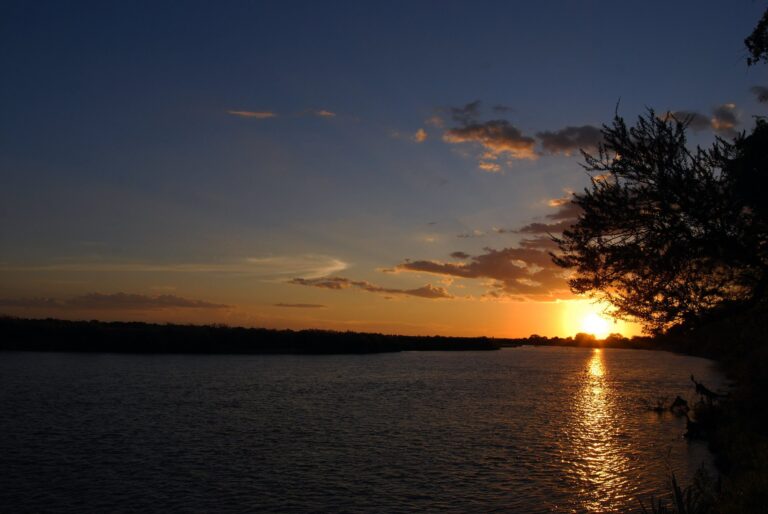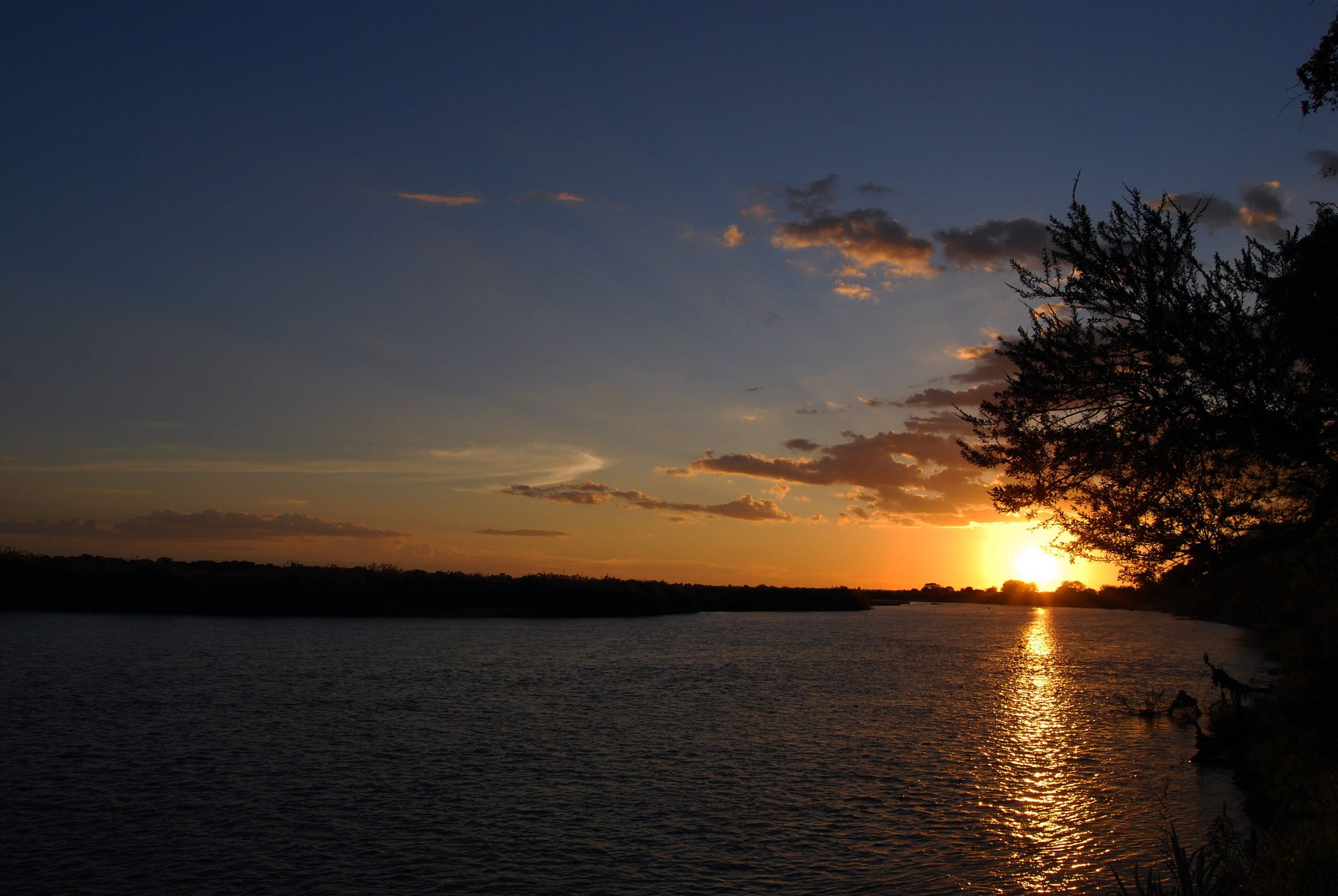
Southern Tanzania is not a quieter copy of the northern circuit. Its parks are farther apart, the journeys are usually built around flights, and the field experience changes more noticeably between water and dry country. Nyerere is shaped by the Rufiji River, channels, lakes and broad floodplains. Ruaha is drier, rockier and more rugged, with baobabs, sand rivers and the Great Ruaha River drawing wildlife through a vast interior.
The south suits travellers who value space, longer observation and a camp-based rhythm. It is not automatically empty, nor are sightings guaranteed. The reward comes from spending enough nights for guides to work patiently across a large landscape.
Nyerere or Ruaha?
Nyerere is the more varied activity base. Depending on the camp, park rules, water level and conditions, a programme can combine vehicle safaris with boat trips and guided walking. The northern photographic sector is only part of the much larger protected landscape, so accommodation position matters. A camp on the river does not necessarily mean every activity begins at the same place.
Ruaha is about scale and texture. Game drives move between river lines, miombo, rocky hills and baobab country. During the dry season, remaining water becomes increasingly important. Sightings may build slowly, then hold attention for a long time. Travellers who need a constant sequence of headline animals may find the pace unfamiliar; those who enjoy tracking, birds, landscape and behavioural observation often find it deeply satisfying.
How the parks combine
A light-aircraft connection is normally the cleanest way to combine the parks. Schedules can be shared and may involve stops. Baggage limits are lower than on international flights, and soft bags are normally required. We confirm the exact service, luggage rules and airstrip transfer with each camp before finalising the route.
Three nights in each park is a sensible minimum; four in each gives more margin for weather, activity variety and a slower day. Adding too many camps inside the same park creates repeated packing and transfers without necessarily improving the wildlife experience.
Seasonality and closures
The dry months from June into October are the most straightforward for access and for wildlife drawn towards water. Heat and dust build later in the season. The rains transform both parks, bringing green landscapes, insects and strong birding, but some camps close and some roads become difficult. The phrase “green season” is not a substitute for checking what is actually operating.
Walking and boating are condition-dependent activities, not inclusions to promise in a headline. Water levels, guide availability, park permissions, age restrictions and weather all matter. We place them in the itinerary only after the operating camp confirms what is realistic for the traveller’s dates.
Where to stay
In Nyerere, Rufiji River Camp offers a river-based position suited to mixing land and water experiences. In Ruaha, Ruaha River Lodge places guests beside the Great Ruaha River in permanent stone bandas. These are not interchangeable: one is chosen for river channels and activity mix, the other for Ruaha’s dry-country landscape and large park scale.
The south asks for fewer places and more time
Southern Tanzania is not a quieter copy of the northern circuit. It is built around large landscapes, small camps and light-aircraft links, with days that can include walking, boating and long game drives rather than a road procession between famous park gates. The reward is space. The cost is that weather, flight schedules and camp seasonality have more influence over the plan.
Nyerere or Ruaha?
Nyerere National Park
Nyerere is shaped by the Rufiji River, lakes and channels. Boating gives the safari a different scale; walking and game drives then reveal woodland, plains and river edges. It suits travellers who want variety and water in the landscape.
Ruaha National Park
Ruaha is drier, rockier and more elemental. Baobabs, sand rivers and the Great Ruaha corridor create a strong sense of interior Africa. Predator ecology and elephant country are important here, but sightings are earned across a vast park rather than queued for.
Why flying usually makes sense
The distances are large and the road approach can consume valuable safari days. Scheduled light aircraft are normally the practical link from Dar es Salaam or Zanzibar and between southern parks. Flights may make stops, luggage allowances are strict and timings can change. We plan every transfer as part of the journey and keep the first and last day realistic.
Seasonality is operational
Many camps are most active in the drier months. During heavy rains, roads can deteriorate, water rises and some properties close. The green months can be beautiful for birds and atmosphere, but the available network is smaller. We confirm camp opening dates and airstrip access rather than treating “low season” as a simple discount.
How long to allow
- One park: four nights gives the place time to reveal itself.
- Nyerere and Ruaha: seven to nine nights creates contrast without turning every second day into a flight.
- Safari and coast: add Zanzibar or the mainland coast after the safari, protecting the international connection with a sensible final night.
Who will love the southern circuit?
It suits repeat safari travellers, couples, photographers and families with older children who value flexible field time. First-time visitors can also love it, especially when privacy and varied activities matter more than collecting every famous northern name.
What quality means here
In a remote park, the camp’s guiding, vehicle policy, location and management matter more than decorative luxury. We compare where a camp actually operates, how it handles private activities and how much daylight is lost to transfers. The aim is not to add properties; it is to protect the rhythm that makes the south worth travelling for.