
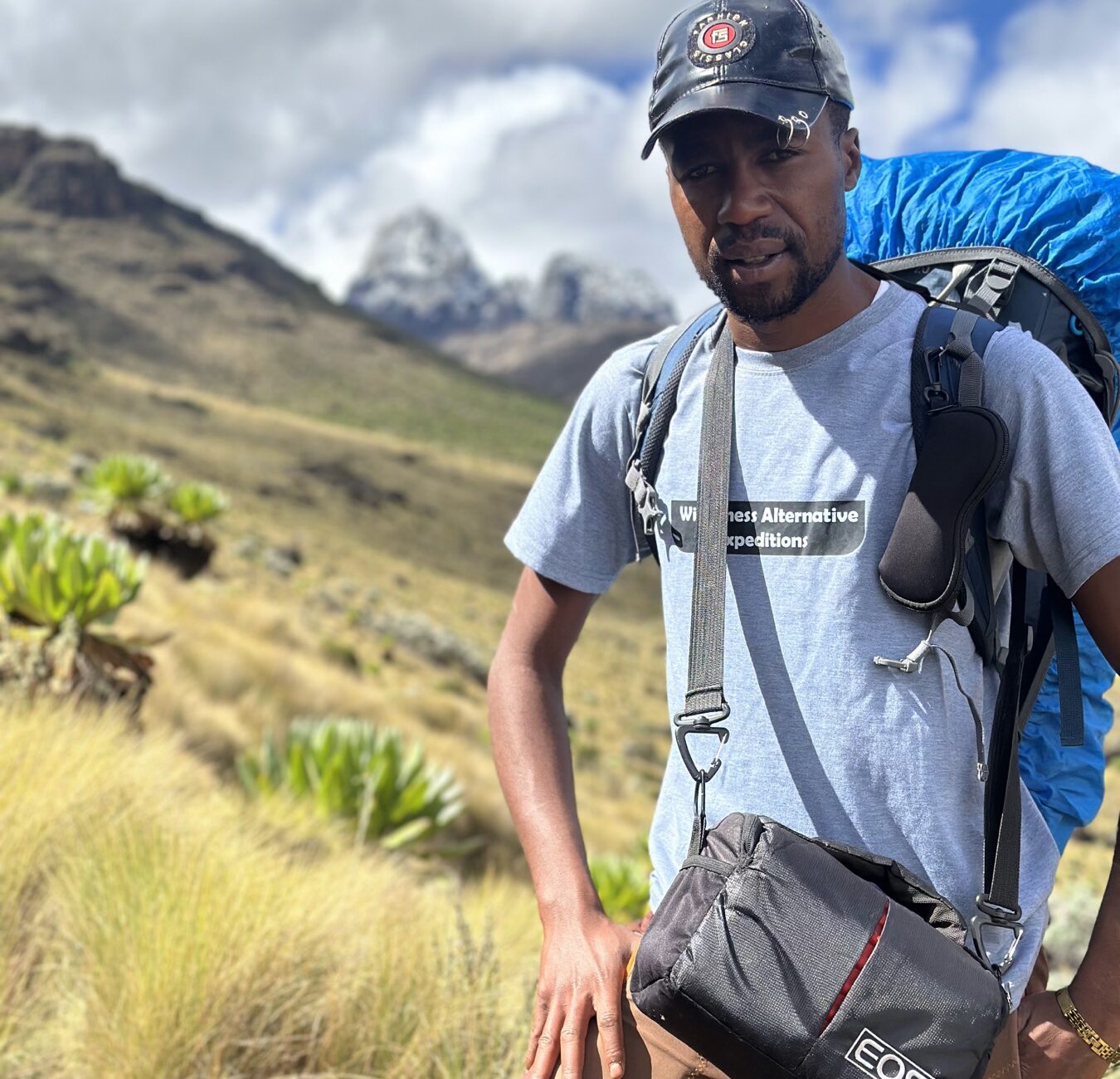
Mount Kenya is hard enough to deserve preparation, but “hard” means different things on different parts of the mountain. A trek to Point Lenana is a high altitude walking journey. Batian and Nelion are technical rock climbs. Treating those objectives as one activity creates confusion about fitness, experience and risk.
For a reasonably active person, Point Lenana can be achievable with a sensible itinerary, appropriate clothing and a patient pace. The main challenge is not extreme steepness. It is the combination of consecutive walking days, cold, an early summit start and sleeping at increasing altitude. Fitness helps you cope with the work, but it does not make you immune to altitude illness.

This guide explains the physical, technical and altitude demands so you can prepare for the right Mount Kenya rather than a generic idea of the mountain.
Point Lenana is not Batian
Mount Kenya has three principal summits. Batian, at 5,199 metres, is the highest. Nelion, at 5,188 metres, is the second highest. Both require technical climbing skills, ropes, specialist equipment and a qualified technical guide. Point Lenana, at 4,985 metres, is the trekking summit reached by most hiking itineraries.
A normal Point Lenana route involves trail walking, rocky paths and a steep final approach. Snow or ice can change conditions, and darkness makes summit morning feel more serious, but climbers do not normally use technical rock climbing moves. Our Point Lenana guide explains that objective in detail. If you mean the highest summit, read about climbing Batian instead.
How difficult is Point Lenana?
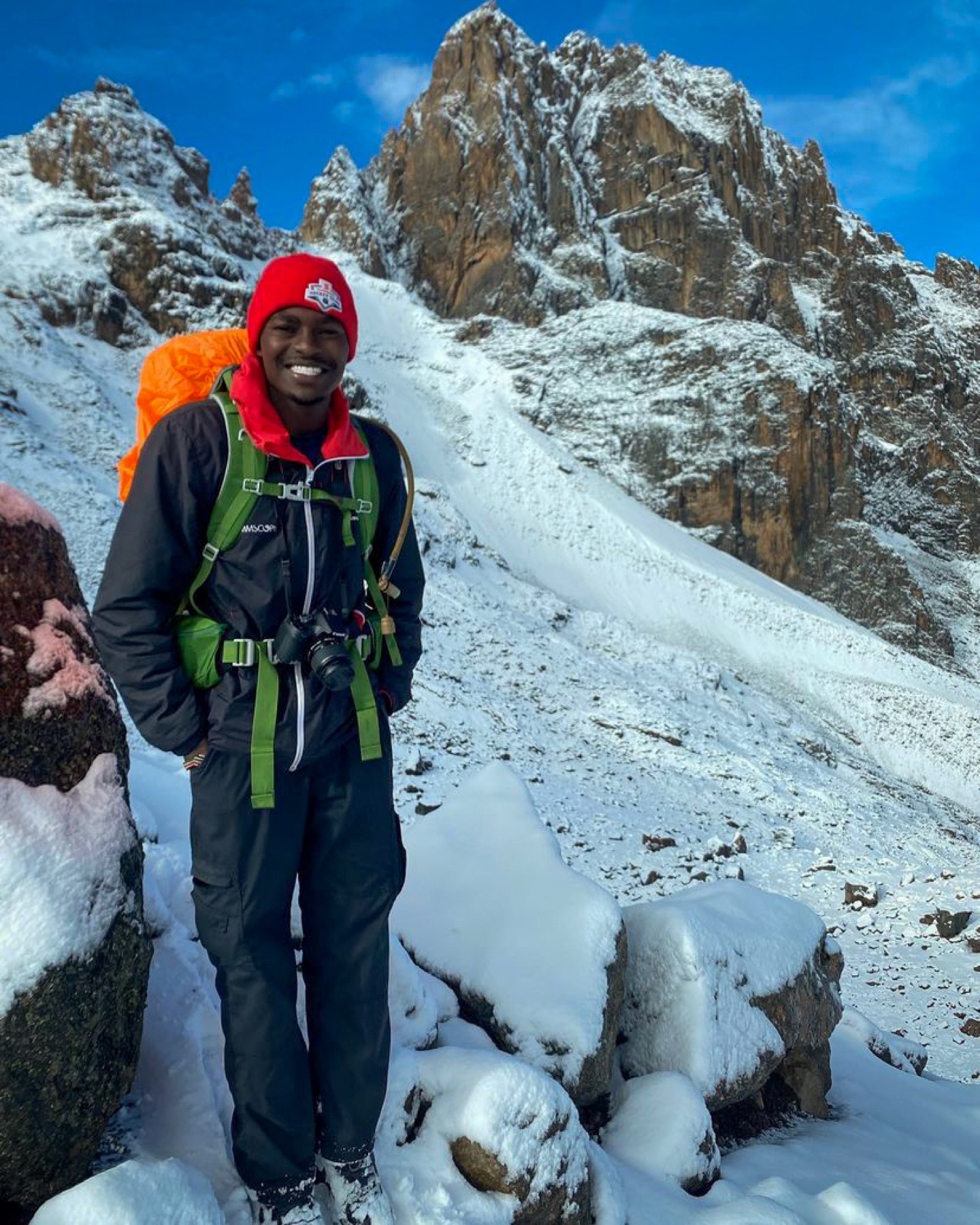
On a good four or five day itinerary, we describe Point Lenana as a demanding high altitude trek rather than a technical climb. Most days involve several hours of steady walking. The terrain changes from forest tracks to moorland paths, rocky valleys and high alpine ground. The summit section usually begins before dawn and is completed in cold, thin air.
The difficulty rises when days are removed. A three day climb may use the same footpath, but the body has less time to adjust, the daily stages become less forgiving and a slow morning can affect the entire schedule. It also rises with poor sleep, inadequate food, a heavy personal pack, wet weather or a rushed group pace.
A traveller who hikes regularly but has never slept above 3,000 metres may find the altitude harder than the distance. A high altitude walker may find the trail straightforward but still respect the cold and early start. There is no single difficulty number that predicts both people.
The four demands you should prepare for
1. Several days on your feet
Mount Kenya is not one long day hike. You need to wake, pack and walk again after the previous day’s effort. Training should therefore include back to back walking days. A single fast gym session is less specific than a weekend with two steady hikes carrying the small pack you will use on the mountain.
2. A slow pace at altitude
People accustomed to moving quickly often struggle with the discipline of mountain pace. Above 3,500 metres, the aim is not to prove fitness. It is to conserve energy and gain height gradually. Your guide may ask you to walk more slowly than feels necessary at first. That pace becomes valuable later.
3. Cold and broken sleep
High camps can be cold at night. Tents and basic mountain huts do not behave like heated lodges. Sleep may be interrupted by temperature, unfamiliar surroundings or the effects of altitude. Warm layers, a suitable sleeping bag and good routines affect how hard the next day feels.
4. Summit morning
Point Lenana is commonly attempted before sunrise. You leave camp in darkness, move over steep ground and may face wind or frozen sections. Head torch use, layered clothing and the ability to keep eating and drinking matter. The reward is dawn over the eastern plains, but the descent still requires concentration after the photographs.
Fitness does not prevent altitude illness
The United States Centers for Disease Control and Prevention makes an important distinction: training and physical fitness do not determine a person’s susceptibility to altitude illness. A strong runner can become unwell, while a slower walker may acclimatise well. Previous response at similar altitude is useful information, but it is not a guarantee.
Common early symptoms of acute mountain sickness include headache accompanied by problems such as nausea, unusual fatigue, dizziness or disturbed sleep. Symptoms should be reported to the guide, not hidden to protect a summit plan. A person with altitude symptoms should not continue to a higher sleeping altitude. Worsening symptoms can require descent and medical attention.
A responsible itinerary, conservative pace, hydration, food and honest monitoring all matter. None eliminates risk. A guide’s willingness to turn around is a strength, not a failure.
How fit do you need to be?
You do not need to be an elite athlete for Point Lenana. You should be comfortable walking for six to eight hours at an easy pace, including hills, and able to repeat that effort on the following day. You should also be able to carry a small daypack with water, waterproofs, warm layers and personal items.
As a practical benchmark, build towards a hilly day with roughly 800 to 1,000 metres of ascent, then walk again the next day. The exact distance matters less than steady time on your feet and controlled recovery. If that is currently far beyond you, increase gradually rather than trying to prove readiness in one weekend.
Strength work for legs, hips and trunk can make long descents more comfortable. Balance and ankle stability help on rough ground. Cardiovascular sessions such as walking uphill, cycling or running support endurance, but at least some training should happen outdoors in the footwear you plan to use.
A simple eight week training shape
- Weeks 1 and 2: three easy aerobic sessions and one moderate hill walk each week.
- Weeks 3 and 4: increase the long walk, add a second short walk the next day, and begin carrying your daypack.
- Weeks 5 and 6: complete two consecutive hilly days, practise eating and drinking while moving, and test waterproofs and footwear.
- Week 7: make this the strongest walking week without injuring yourself.
- Week 8: reduce volume, keep moving gently and arrive rested.
Adapt this to health, age and existing fitness. Anyone with a medical condition, previous severe altitude illness or uncertainty about exertion at altitude should discuss the plan with a qualified clinician.
Does the route change the difficulty?
Yes, but the itinerary changes it even more. Sirimon is commonly used for a gradual ascent through open country. Chogoria has longer approaches and dramatic valleys, and is often used for descent. Naro Moru is direct and can feel steep and wet in the Vertical Bog.
A five day Sirimon to Chogoria traverse is normally easier on acclimatisation than a compressed route, even though it contains more total walking. More days spread the height gain and create space for recovery. Read our planning guide and the five day traverse itinerary to compare stages.
What equipment makes the climb manageable?
Footwear should be broken in and stable on rough ground. Carry a waterproof jacket and trousers, insulation, warm hat and gloves, sun protection and a reliable head torch. Your sleeping bag must suit likely high camp temperatures. Trekking poles are not essential, but many people appreciate them on long descents.
Do not rely on one very heavy jacket. A base layer, warm mid layer, insulation and waterproof shell give you more control as conditions change. Keep summit layers and gloves dry inside your pack. Test everything before Kenya, including the head torch with gloves on.
Can a complete beginner climb Mount Kenya?
A beginner can trek to Point Lenana if “beginner” means new to multi day altitude, not entirely unprepared for walking. Choose four or five days, train consistently, use a local guide and be willing to turn around. The mountain is a poor place for the first test of new boots, the first long hike and the first cold night all at once.
A beginner should not attempt Batian without the required climbing progression. Technical Mount Kenya needs rock climbing competence, exposure management, suitable acclimatisation and a specialist guide. Successful trekking experience does not automatically transfer to a technical summit.
How we decide whether someone is ready
We ask about recent walking, previous altitude, health, dates and expectations. We are more interested in honest evidence than impressive labels. Tell us the longest hike you completed in the last three months, how you felt the next morning, the height at which you last slept and whether you enjoyed it.
Those answers help us choose between three, four and five days and decide whether a private pace would be useful. They also reveal when Mount Kenya should be part of a longer Kenya journey with a night in Nanyuki before the trek.
The honest answer
Point Lenana is attainable for many ordinary, prepared walkers. It is not effortless, and altitude means nobody can promise the summit. Give the mountain enough days, train for repeated walking, bring proper layers and communicate openly with your guide. The experience should feel like a journey through an extraordinary landscape, not a race to a sign.
If you want a route matched to your current experience, speak with our Mount Kenya team. We will tell you what preparation and number of days we think are sensible.
Frequently asked questions
Is Mount Kenya harder than Kilimanjaro?
Point Lenana is lower than Uhuru Peak and many itineraries are shorter, but route design and personal response matter. Batian is technically far harder than a normal Kilimanjaro trekking route.
Do I need climbing experience for Point Lenana?
No technical climbing experience is normally required. Hill walking, multi day trekking and cold weather experience are valuable.
How many hours do you walk each day?
Many days involve four to seven hours, with a longer or earlier summit day depending on camp and route. Ask for the actual stage plan because averages can hide a demanding day.
Will I get altitude sickness?
Nobody can predict this with certainty. A gradual itinerary reduces risk but does not remove it. Report symptoms early and follow your guide’s decisions.
Is Point Lenana safe for children?
Suitability depends on age, maturity, previous hiking, medical advice and itinerary. Families need a private assessment and conservative plan rather than a generic minimum age.
What is the hardest part?
For many trekkers it is the cold, pre dawn summit climb at altitude. Others find the long descent harder on knees. Training and equipment should address both.
Can I train for altitude at home?
You can train fitness and mountain habits at home, but fitness is not acclimatisation. If practical, prior time at moderate altitude can help; the ascent schedule on Mount Kenya remains important.
Health note: altitude guidance was checked against the CDC Yellow Book and CDC high altitude travel advice in August 2026. This article is general information, not personal medical advice.